
Blog
Identification guides, nature articles and safety advice.
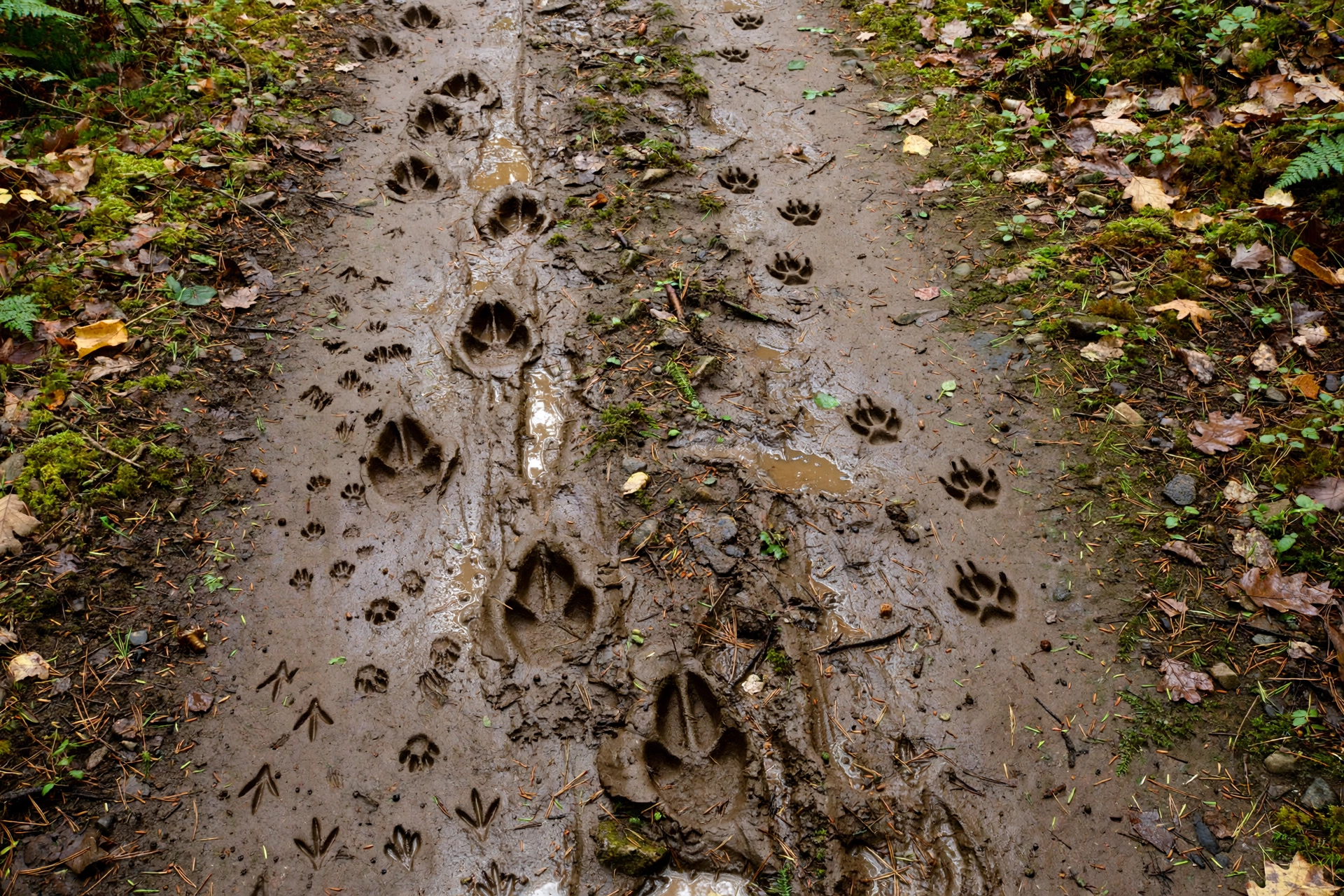
How to Identify Animal Tracks and Signs in Nature
Wild animals are often shy, nocturnal, or simply hard to see. Their tracks and signs, however, are everywhere: a footprint in mud, a feather on a path, a nibbled nut, a trail through long grass, or a burrow under a hedge.
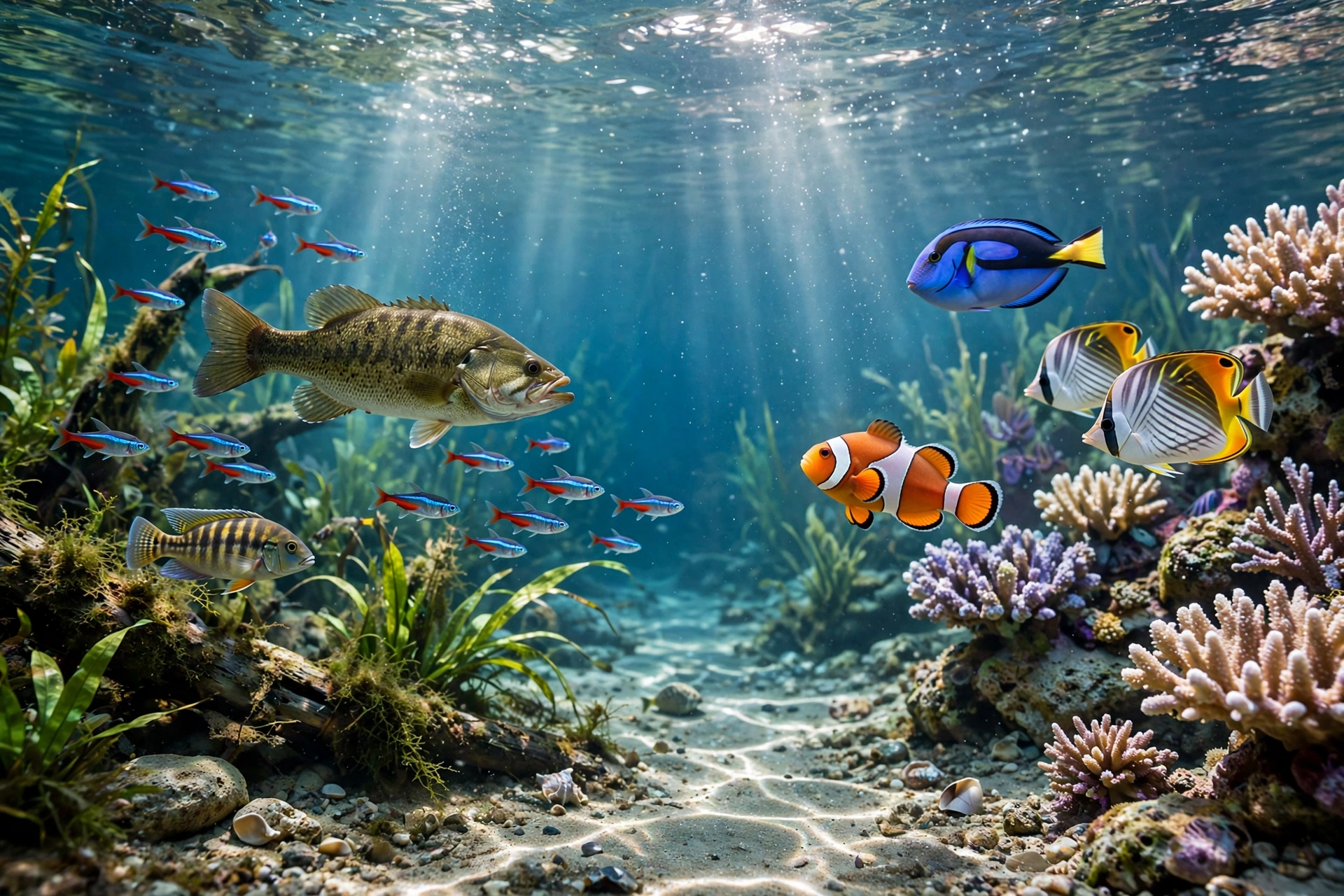
Freshwater vs Saltwater Fish Identification: Key Features to Look For
At first glance, many fish look alike: a streamlined body, fins, and a tail. Yet freshwater and saltwater fish live in very different worlds, and those worlds shape their bodies, colours, and behaviour.
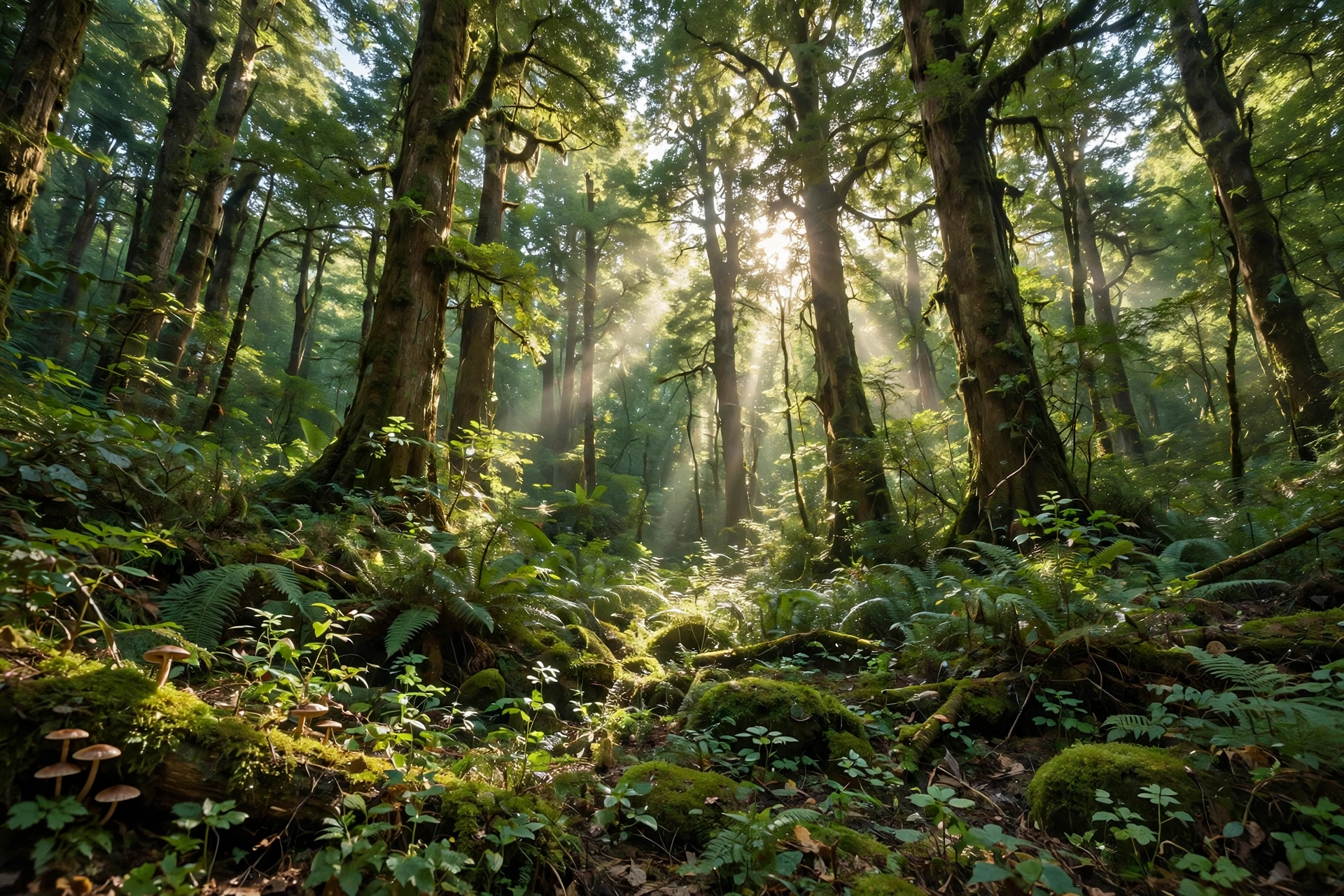
Forest Ecosystems Explained: How Trees, Plants, and Animals Depend on Each Other
A forest is more than a group of trees. It is an ecosystem — a living network in which trees, plants, animals, fungi, and soil all depend on each other. Trees provide food and shelter. Plants feed pollinators. Animals spread seeds.
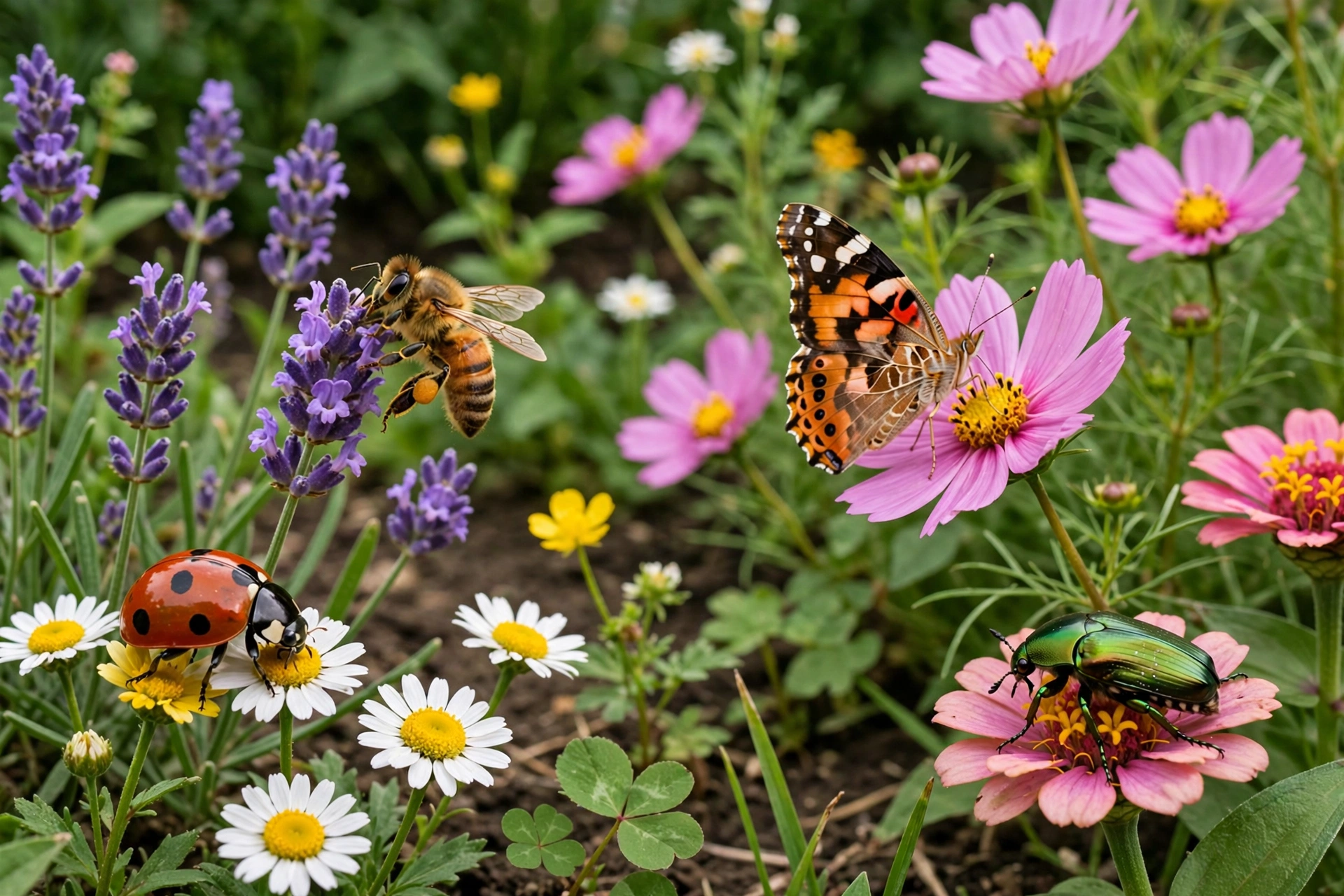
Common Garden Insects: Helpful, Harmful, and How to Tell Them Apart
Every garden is full of insects, and most of them are either helpful or harmless. A few can damage plants, but even those are part of a wider ecosystem. The problem is that, at a glance, a helpful ladybird larva can look like a pest.
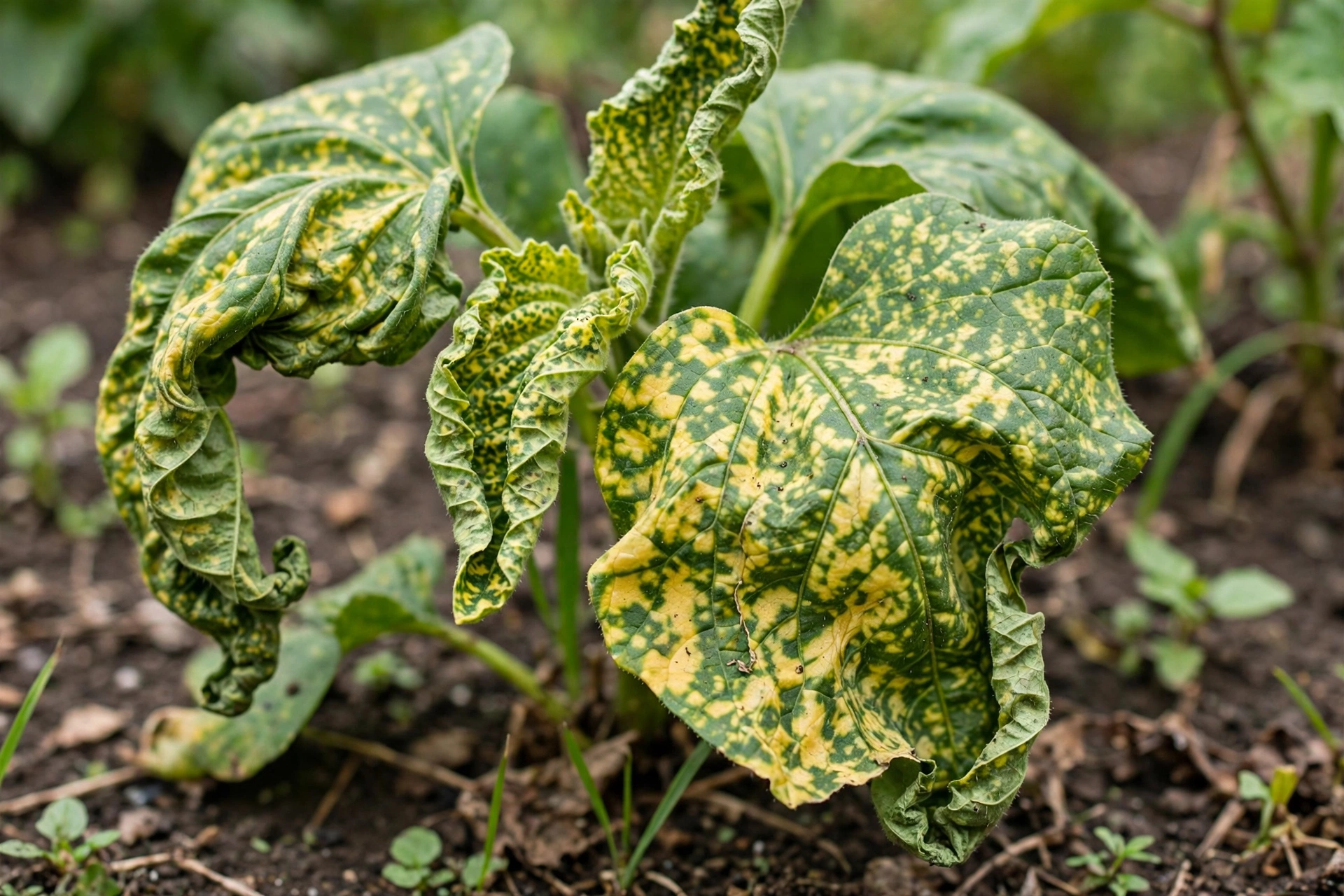
Viral Plant Diseases: Mosaic, Yellowing, and What You Can Do
Viral plant diseases are among the most frustrating problems a gardener can face. Unlike a fungus or a pest, a virus cannot be sprayed away, and there is no cure once a plant is infected.
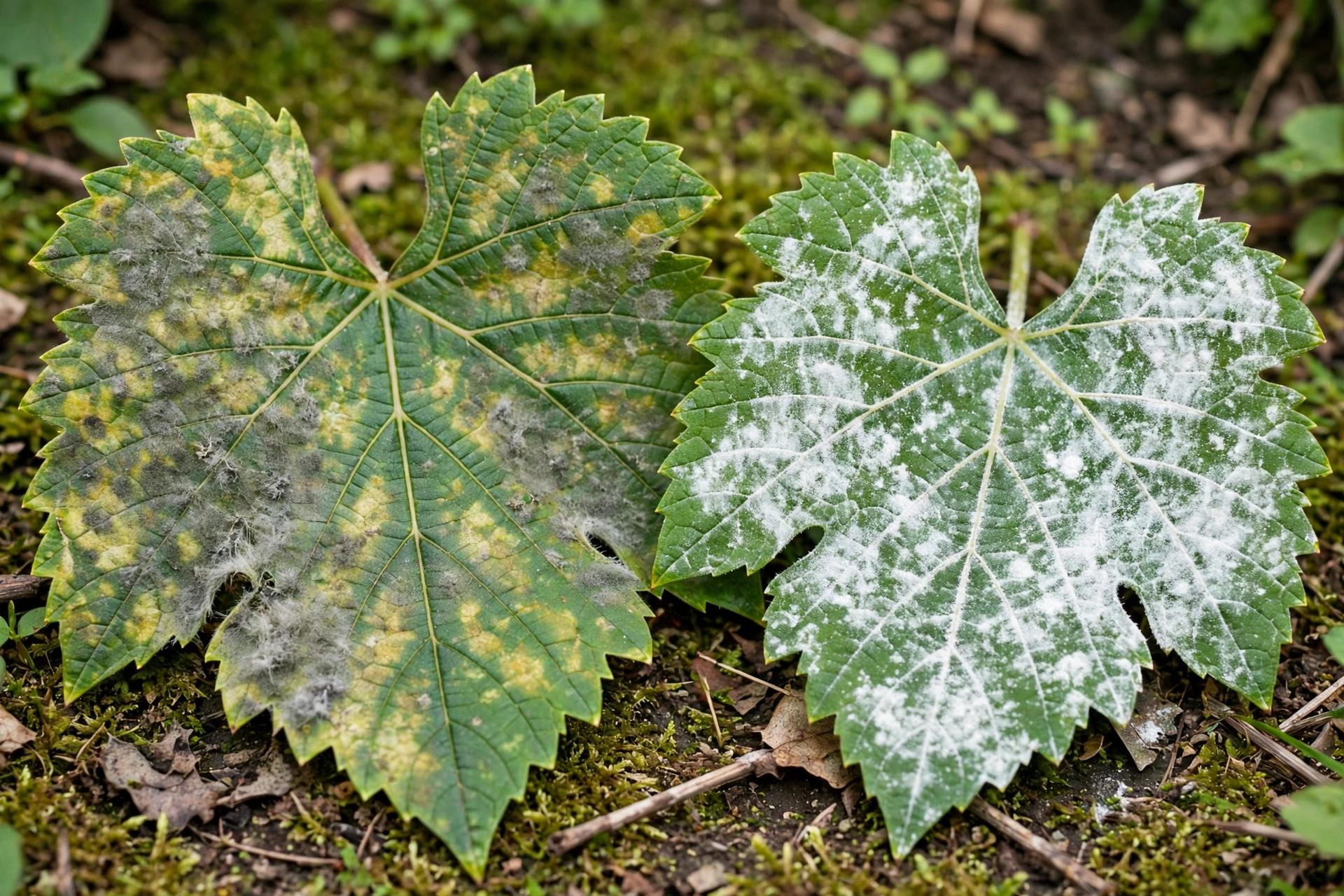
Downy Mildew vs Powdery Mildew: How to Tell Them Apart
Two of the most common leaf diseases in the garden are downy mildew and powdery mildew, and their names make them sound almost the same. Both cause pale patches and stunted growth, both spread in the growing season, and both can affect roses, cucumbers, grapes, lettuce, and many other plants.
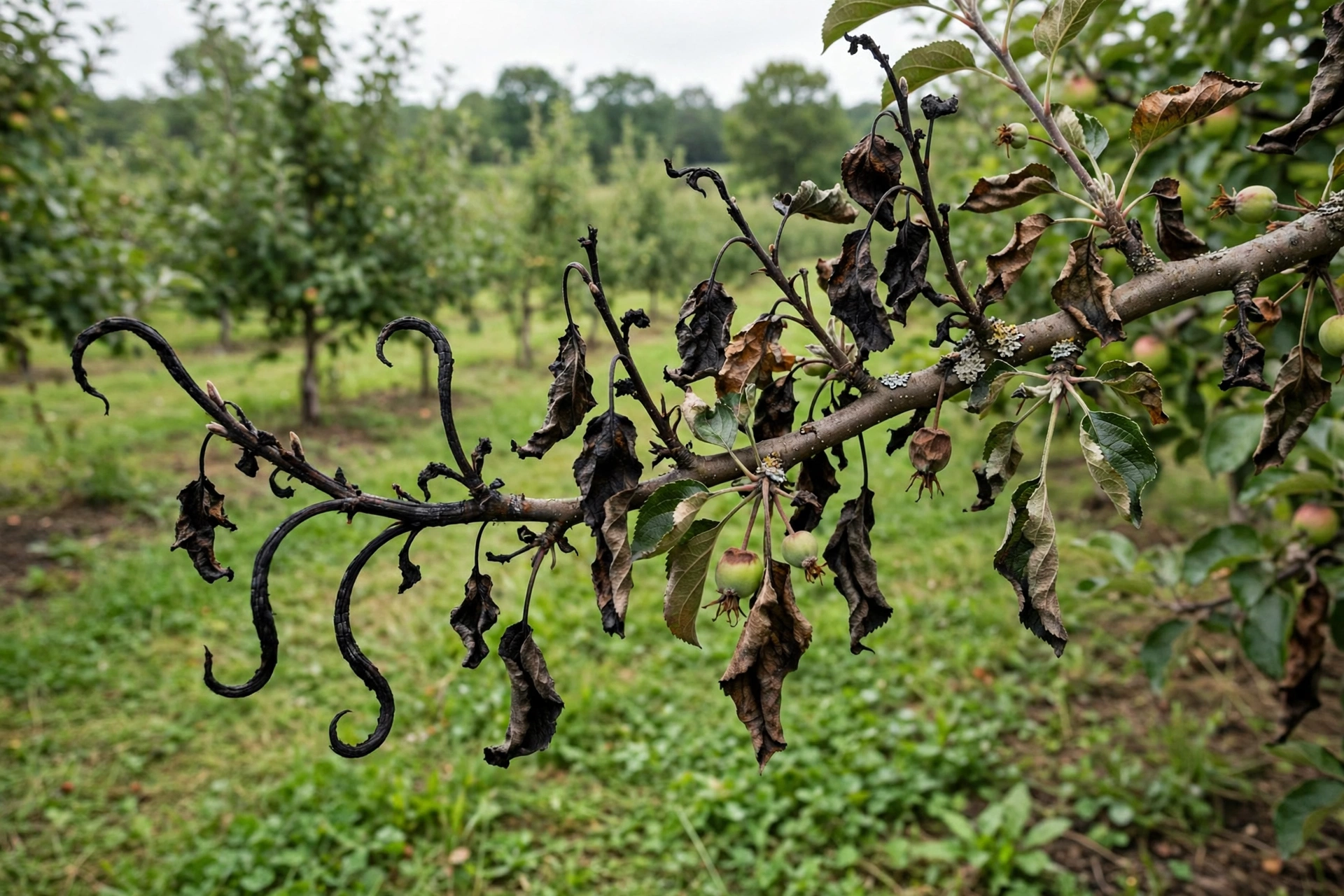
Fire Blight on Apple and Pear Trees: Identification and Control
Fire blight is one of the most feared diseases of apple and pear trees, and with good reason. It moves fast, it can kill blossom, shoots, and whole branches in a single season, and in a bad year it can threaten a young tree entirely.
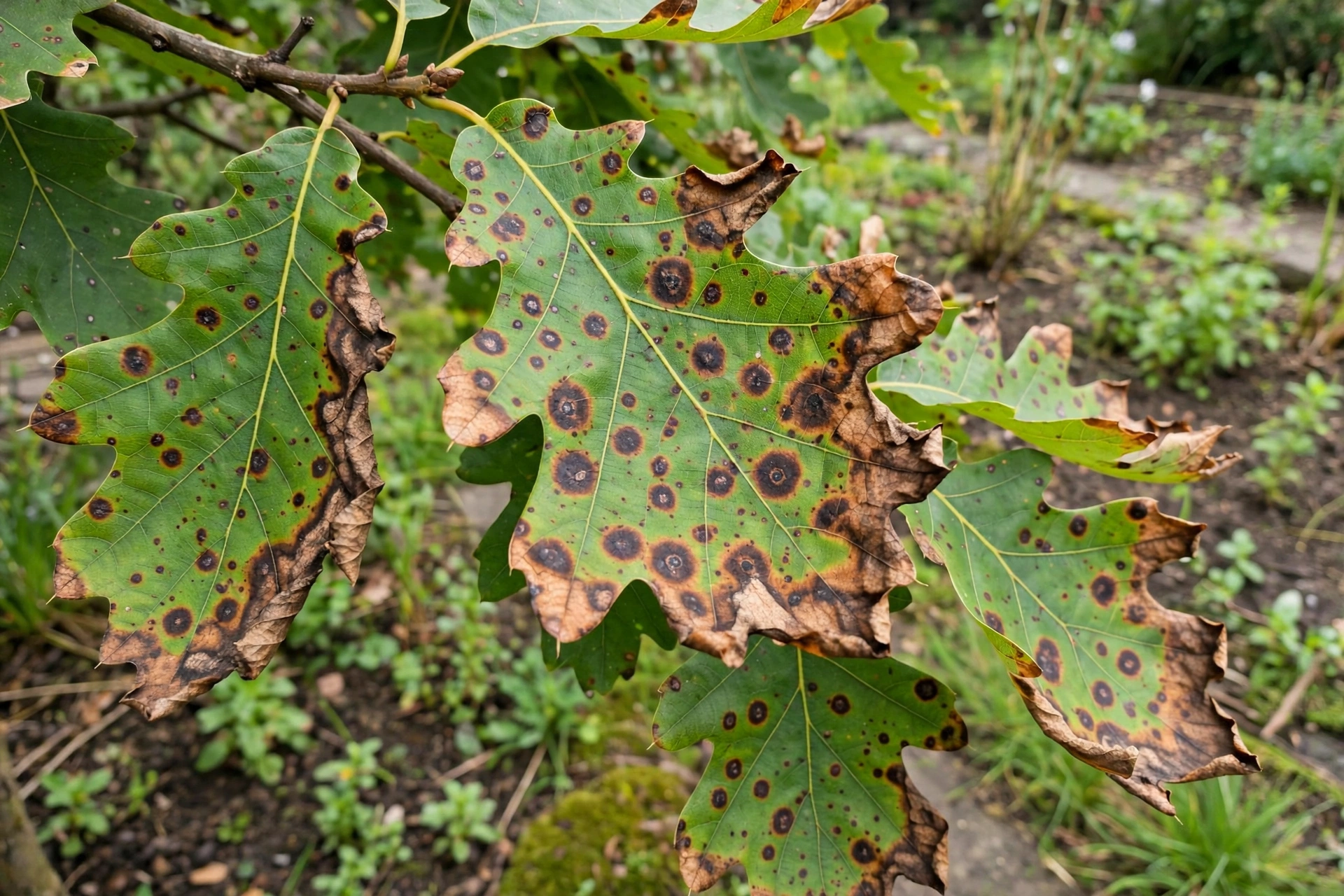
Anthracnose on Trees and Shrubs: Spots, Blight, and Recovery
Anthracnose is one of the most common fungal diseases of trees and shrubs, and one of the most worrying to see for the first time. Leaves develop brown or black spots, edges turn scorched, twigs die back, and in a bad year a tree can lose much of its canopy.
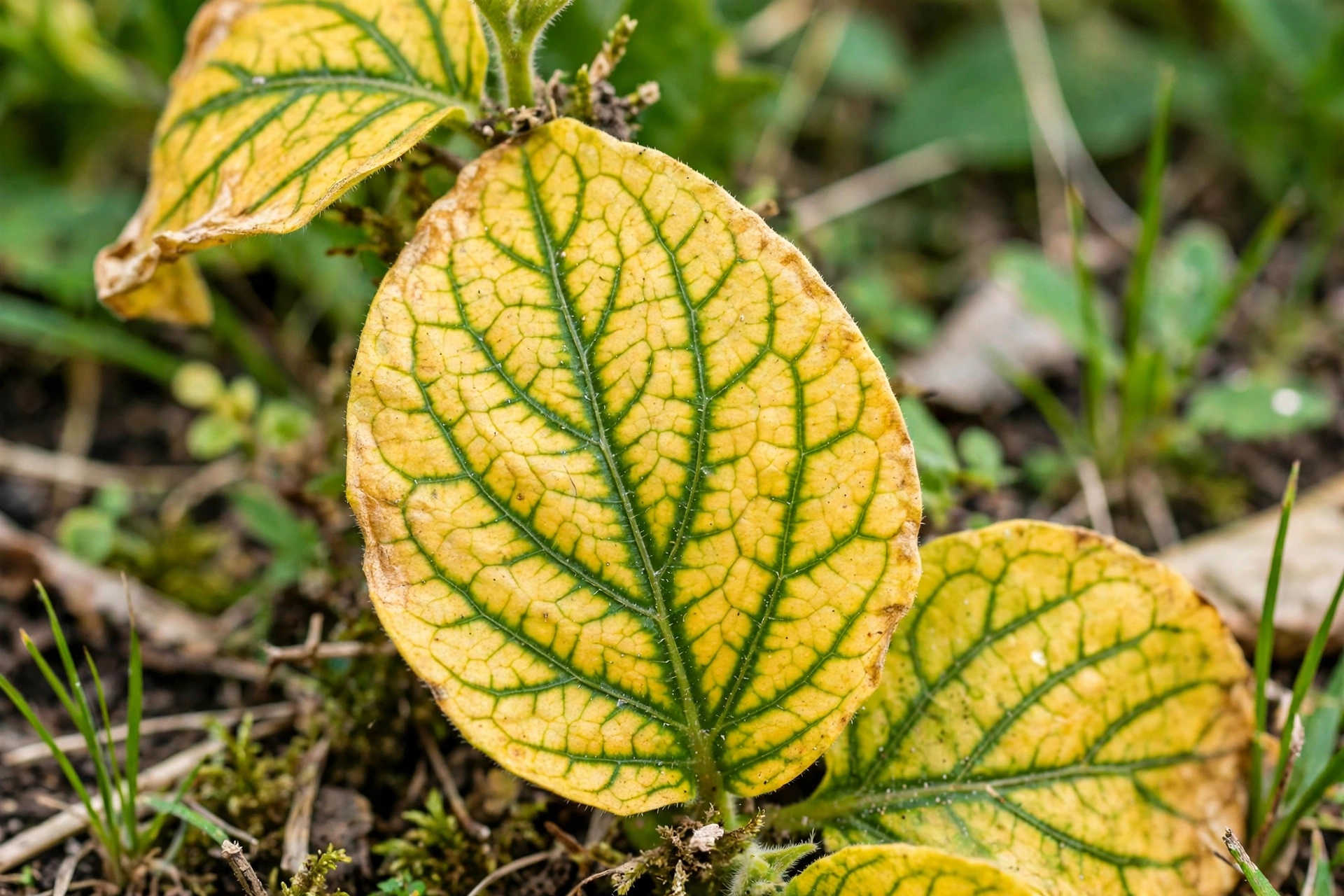
Yellow Leaves on Plants: Causes, Diagnosis, and Fixes
Yellow leaves are one of the most common — and most confusing — plant problems. The same yellow leaf can mean too much water, too little water, a nutrient shortage, too much sun, cold damage, pests, or disease.