
Blog
Identification guides, nature articles and safety advice.

How to Identify Aquatic Plants: Ponds, Rivers, and Wetlands
Ponds, rivers, and wetlands are full of plants that most people walk past without naming. Some float on the surface, some grow beneath the water, and some stand tall at the edge, and each group has its own clues.

How to Identify Conifers: Pines, Spruces, Firs, and Cedars
Conifers can look frustratingly alike at first glance: tall, green, and needle-covered all year round. Yet pines, spruces, firs, and cedars each carry clear, reliable clues in their needles, cones, bark, and shape.
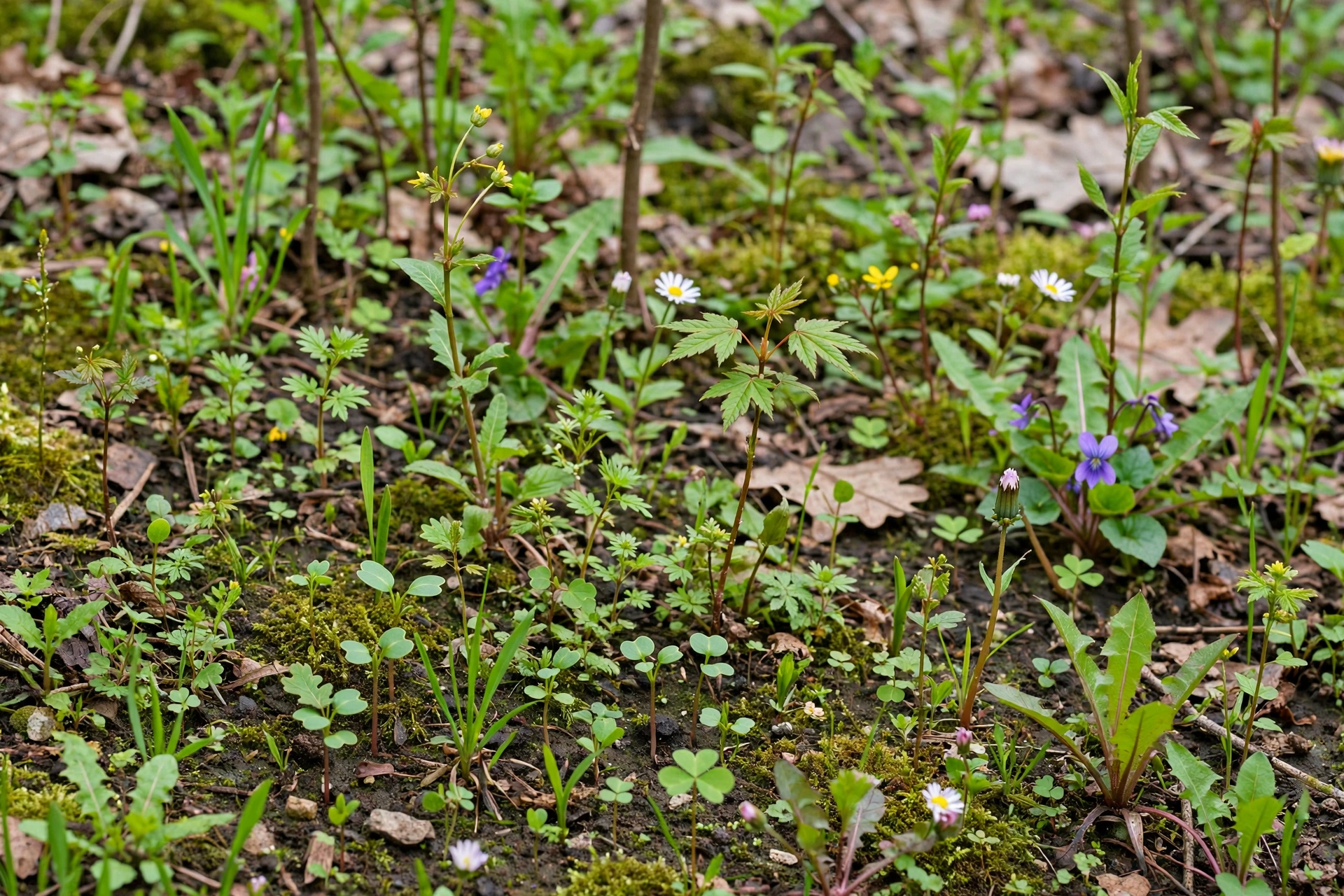
How to Identify Seedlings: Young Trees, Weeds, and Wildflowers
A seedling is a plant at its most mysterious. With only a few tiny leaves and a thin stem, a future oak can look almost identical to a common weed, and a prized wildflower can be mistaken for a plant you were about to pull out.
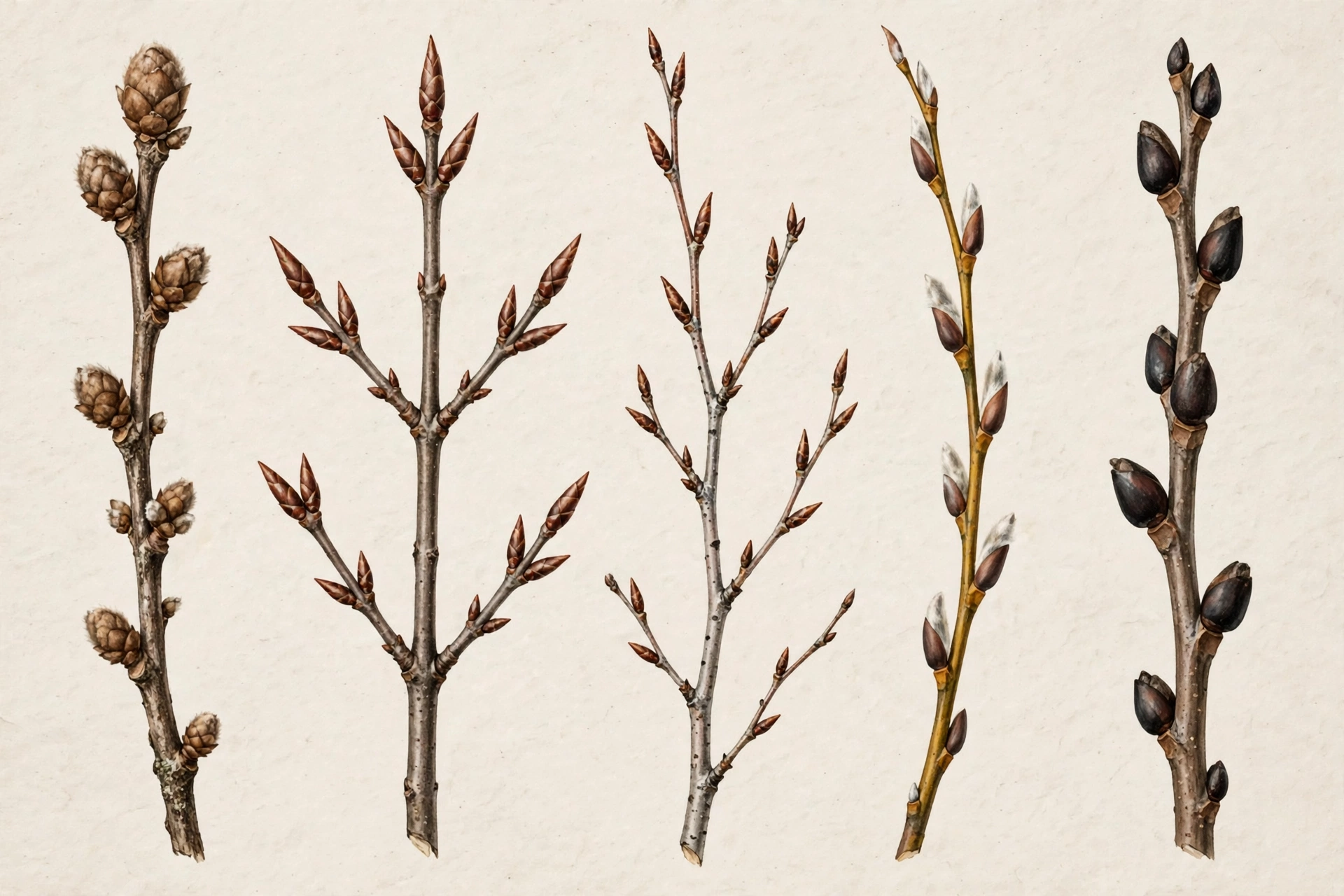
How to Identify Trees in Winter by Buds and Twigs
When the leaves fall, most beginners assume tree identification stops until spring. In fact, winter is one of the best times to learn trees, because the clues that remain — buds, twigs, leaf scars, and bark — are distinctive and easy to study without a canopy in the way.

Wildflower Identification: A Beginner's Guide to Meadows and Woodlands
Wildflowers turn meadows, woodlands, hedgerows, and verges into living colour, yet many look alike at first glance. A small white flower in woodland, a tall purple spike in a meadow, and a yellow carpet in spring could each belong to several species.
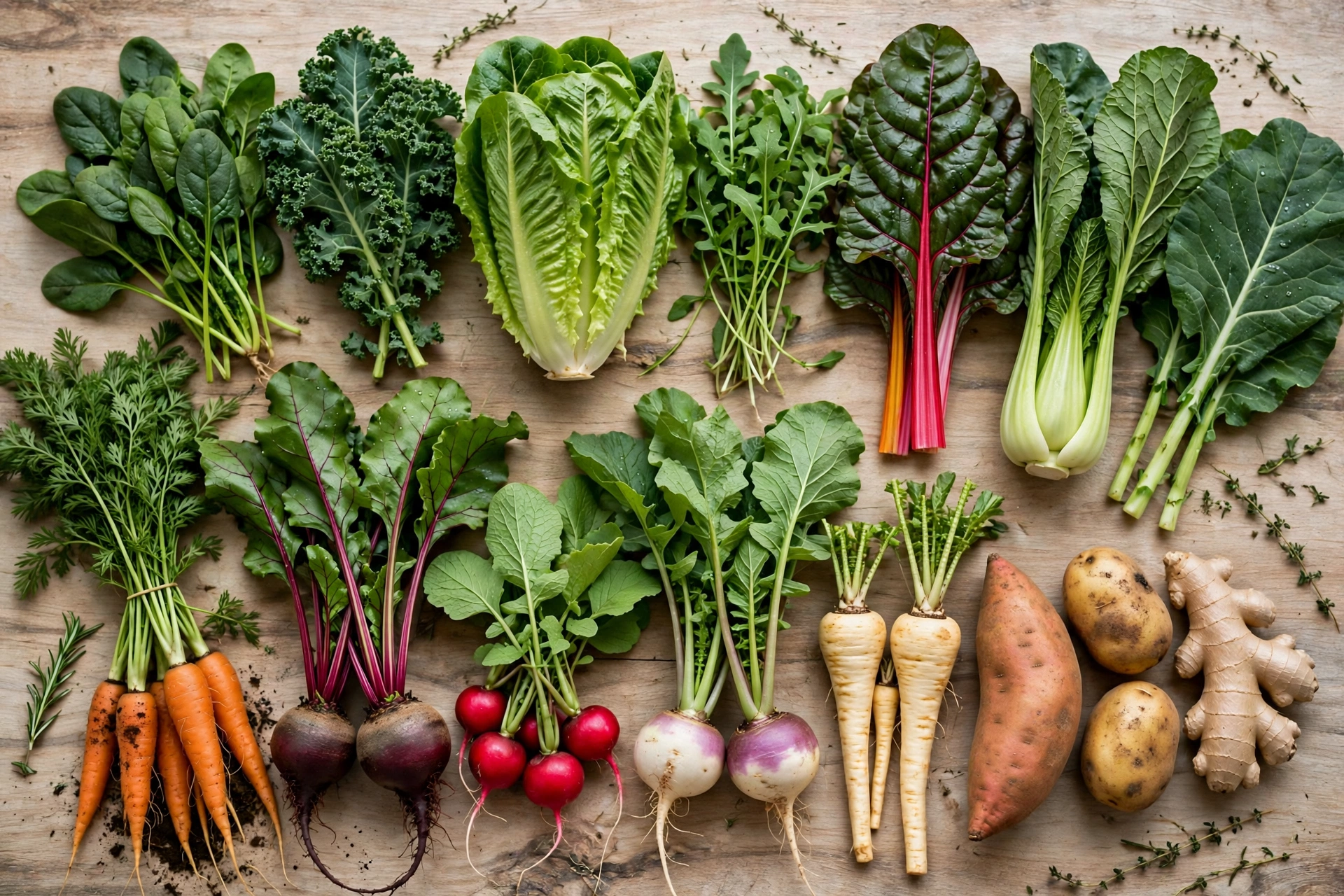
Vegetable Identification Guide: From Leafy Greens to Root Vegetables
Vegetables come in many forms — leafy greens, brassicas, roots, bulbs, pods, and fruits used as vegetables — and many look similar when they are young, chopped, or out of season. Knowing what you have matters in the kitchen, in the garden, and at the market.

How to Use AI Plant Identification: Tips for Accurate Results
AI plant identification has made it possible for anyone to name a plant in seconds, using only a phone camera. It is useful for gardeners, walkers, students, and homeowners, and it can turn a casual walk into a learning experience.
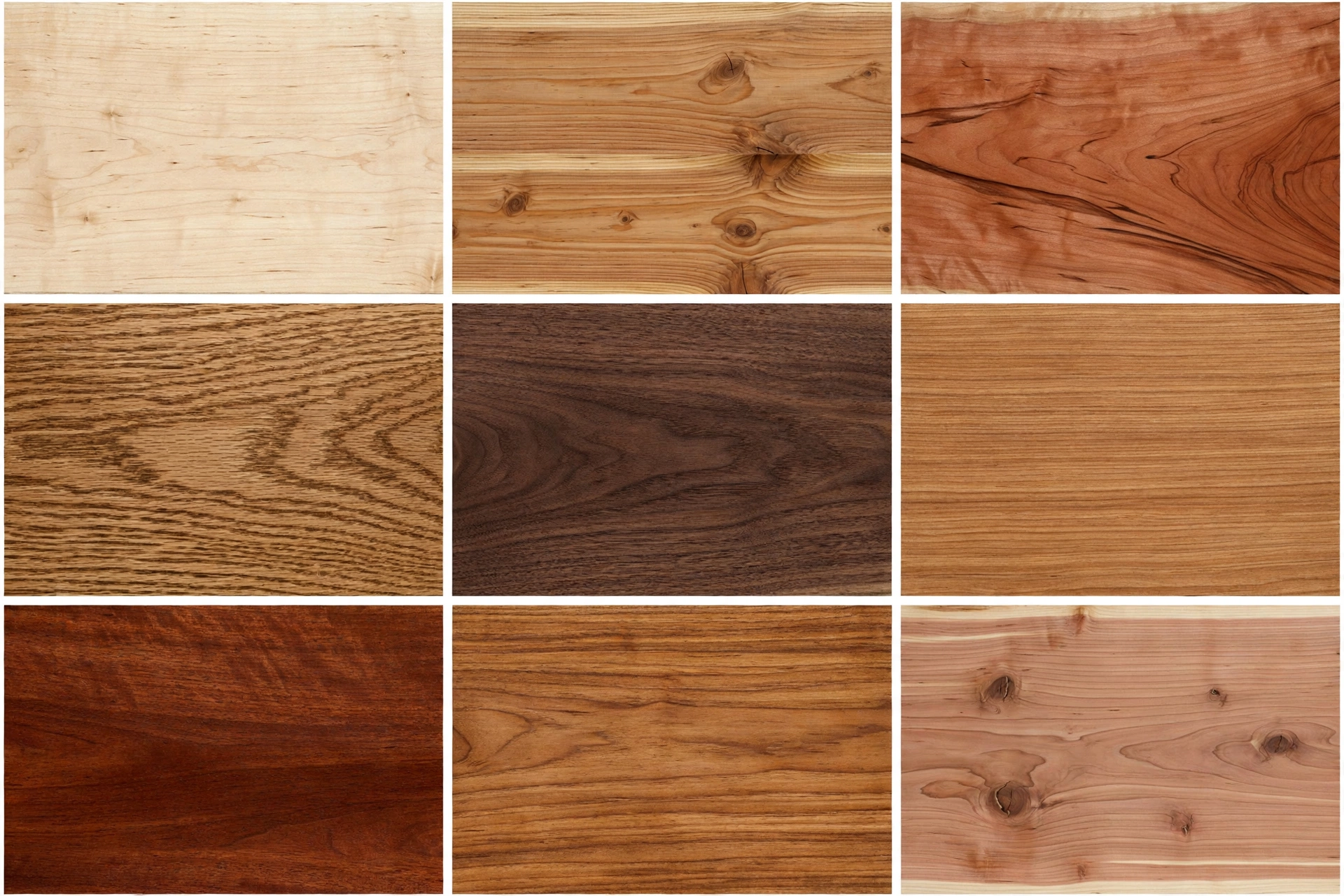
How to Identify Wood Types from Timber, Planks, and Logs
Wood identification matters for woodworkers, builders, restorers, furniture buyers, and anyone who wants to know what a plank, log, or piece of timber really is. Different woods differ in strength, durability, appearance, workability, and cost, and using the wrong wood for a job can lead to poor results or wasted money.
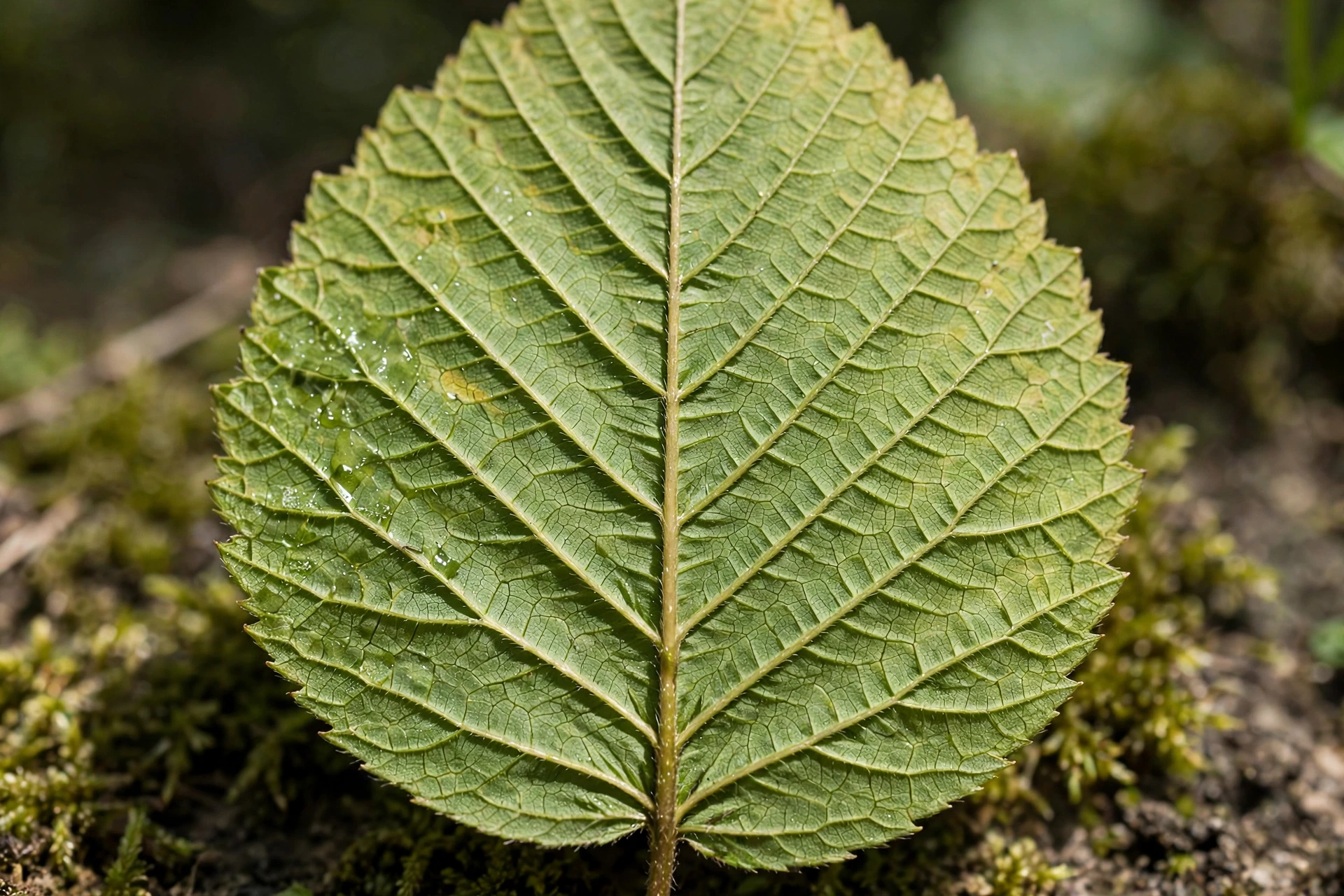
How to Identify Plants from a Single Leaf: Shape, Veins, and Arrangement
A single leaf can tell you a surprising amount about a plant. Its shape, size, veins, edge, stalk, and position on the stem all carry clues, and for many species those clues are enough to narrow the identification to a small group.