
Blog
Identification guides, nature articles and safety advice.
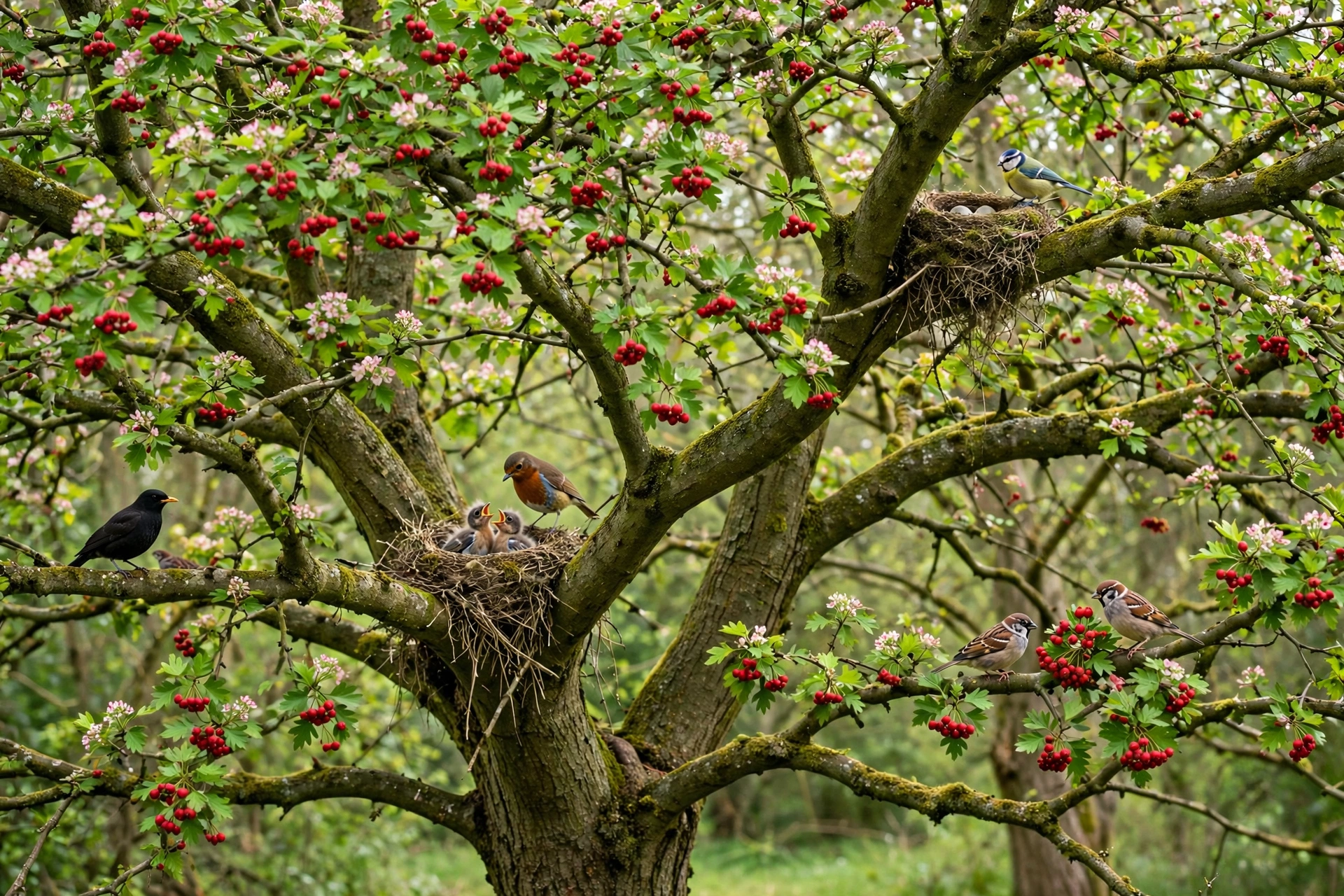
Best Trees for Birds: Food, Shelter, and Nesting Sites
Trees do more for birds than any single feeder or nest box. A mature tree provides food, shelter, nesting sites, song posts, and a safe roost — all in one place. It supports insects that feed chicks, produces berries and seeds that sustain birds through autumn and winter, and offers dense cover where birds can hide from predators and harsh weather.
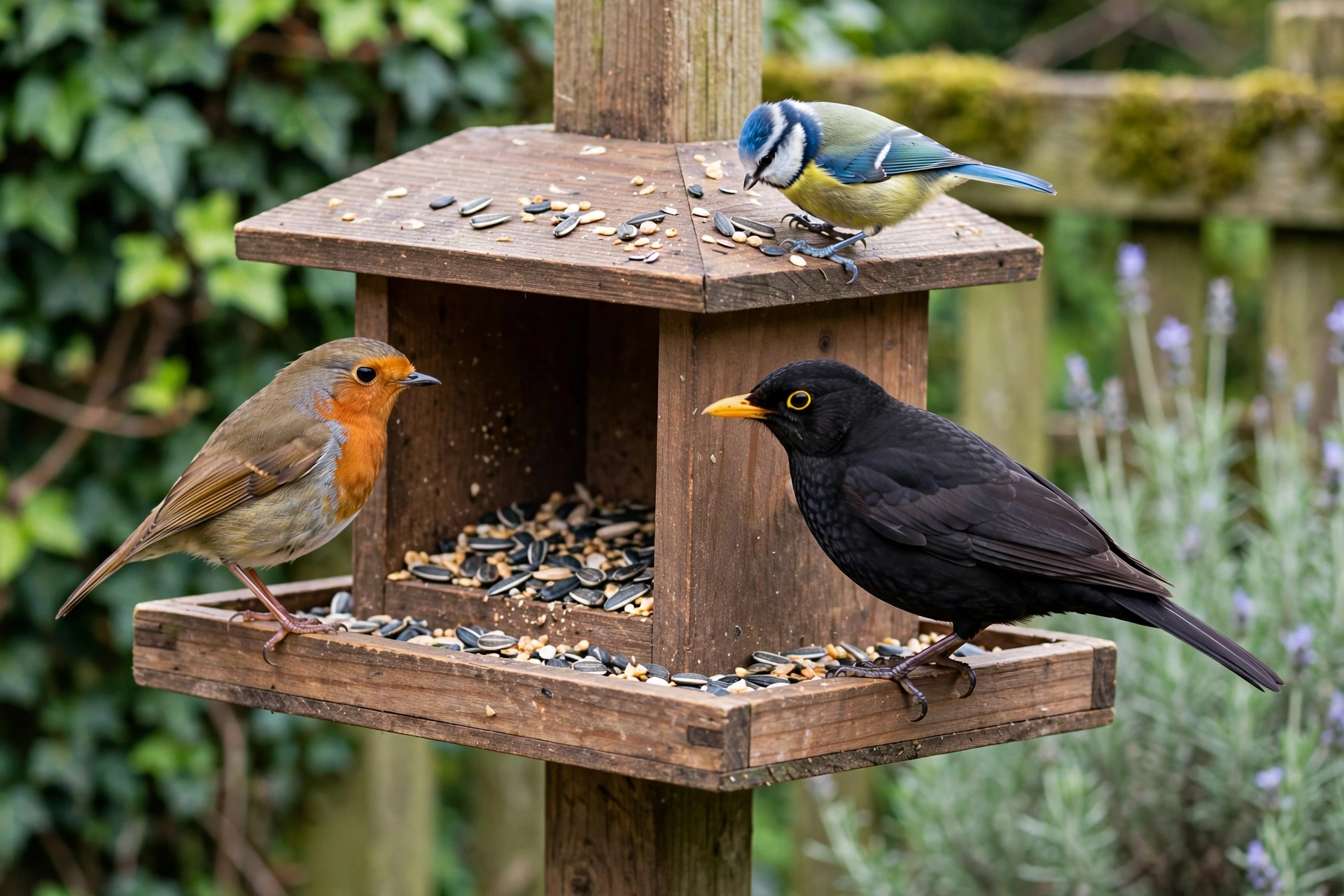
15 Common Garden Birds and How to Recognise Them
You do not need to travel to a nature reserve to start birdwatching. A garden, balcony, or local park can host a surprising variety of birds, especially if there is food, water, and shelter nearby.
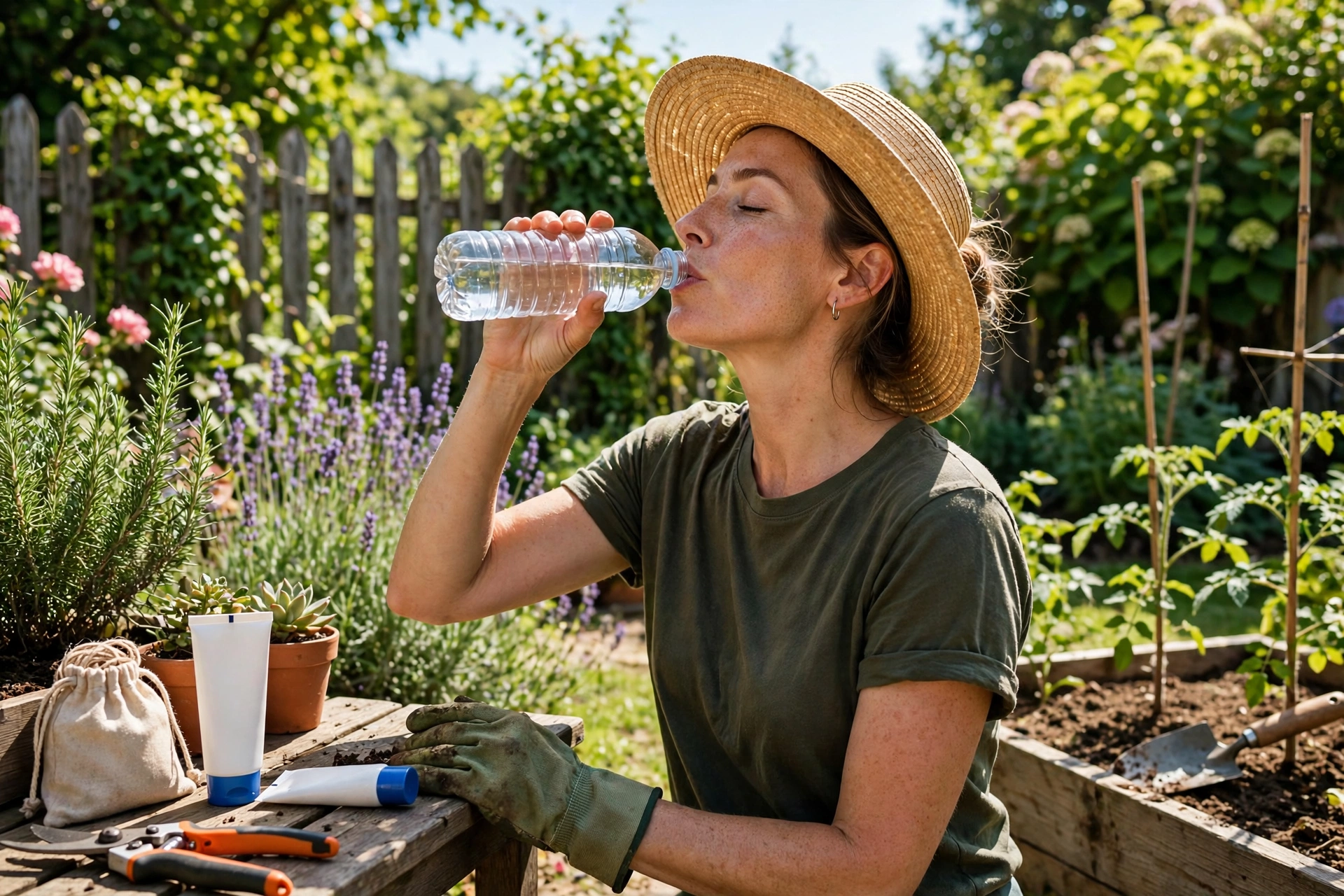
Sun Safety in the Garden: Heat, Dehydration, and Skin Protection
Gardening on a sunny day feels wonderful — until the heat catches up with you. It is easy to lose track of time, and by the time you feel dizzy, sick, or burnt, the damage is already done. Heat and dehydration can affect anyone.
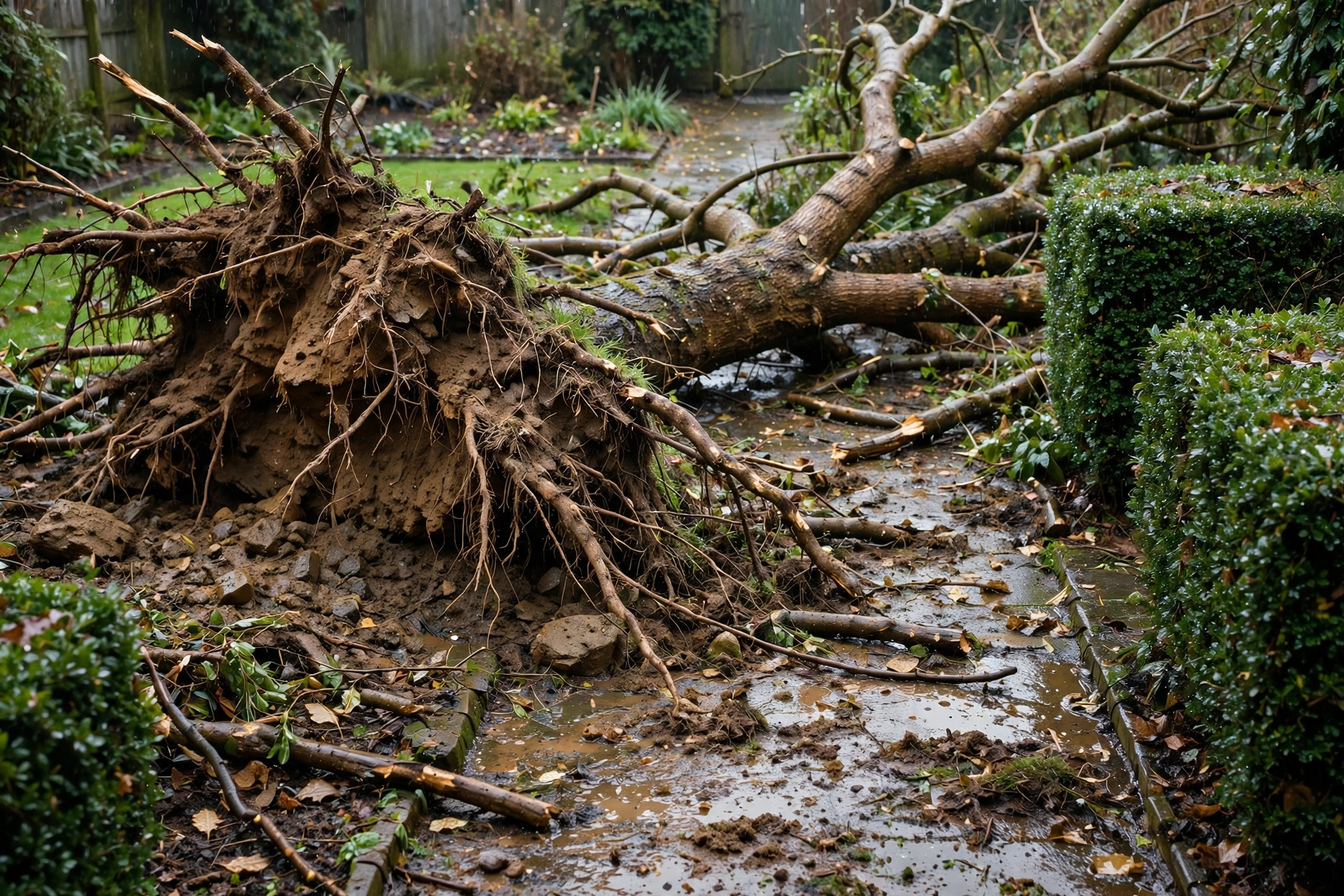
How to Handle Fallen Trees Safely After a Storm
After a storm, a fallen tree can turn a familiar garden into a dangerous place. Branches may be hanging by a thread, roots may have lifted a mound of soil, and a trunk that looks stable can shift without warning.
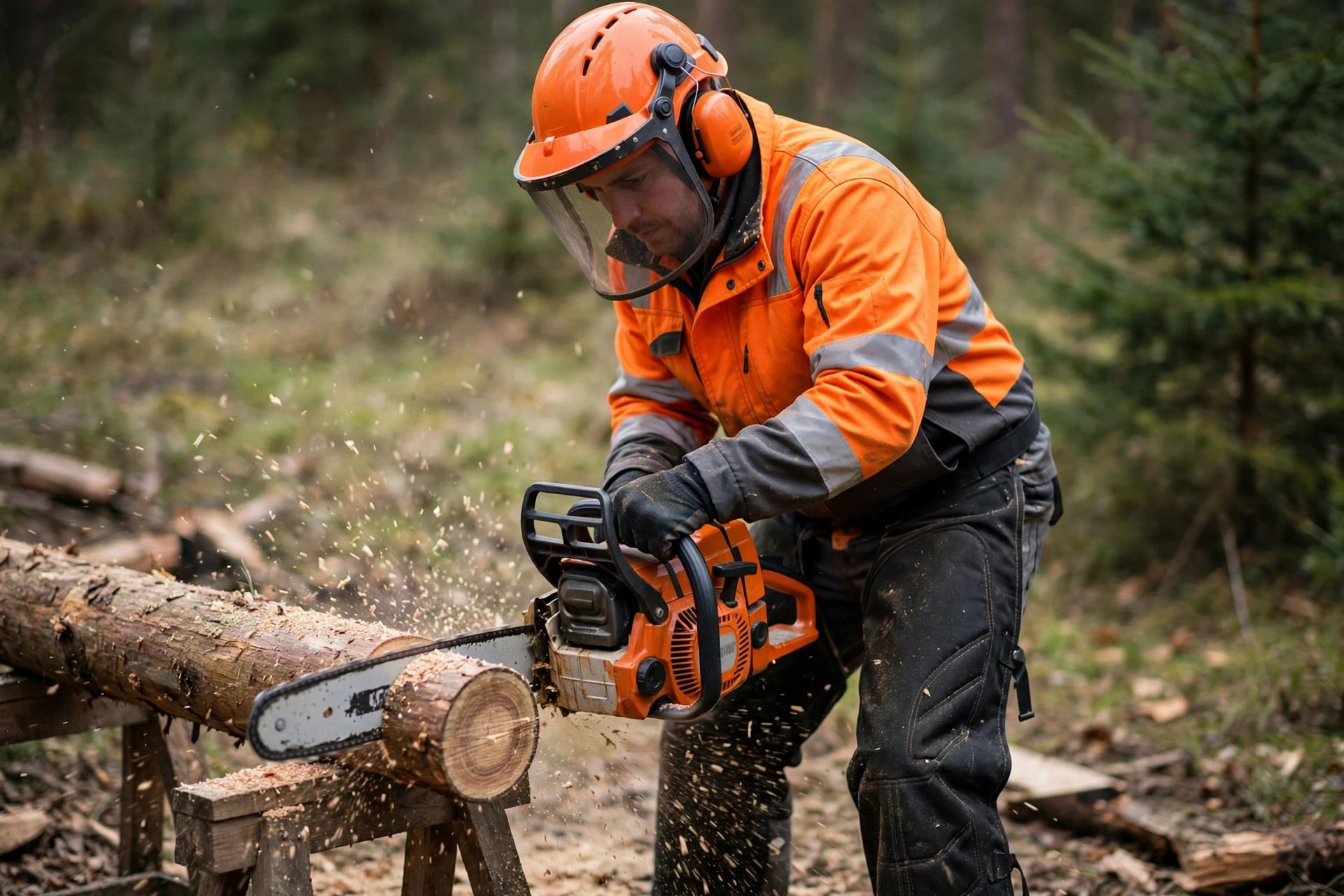
Chainsaw Safety for Beginners: Essential Rules Before You Cut
A chainsaw is one of the most useful tools in the garden, and one of the most dangerous. It can clear a fallen branch and cut firewood in minutes, but it can cause a serious injury in a single second if used carelessly.
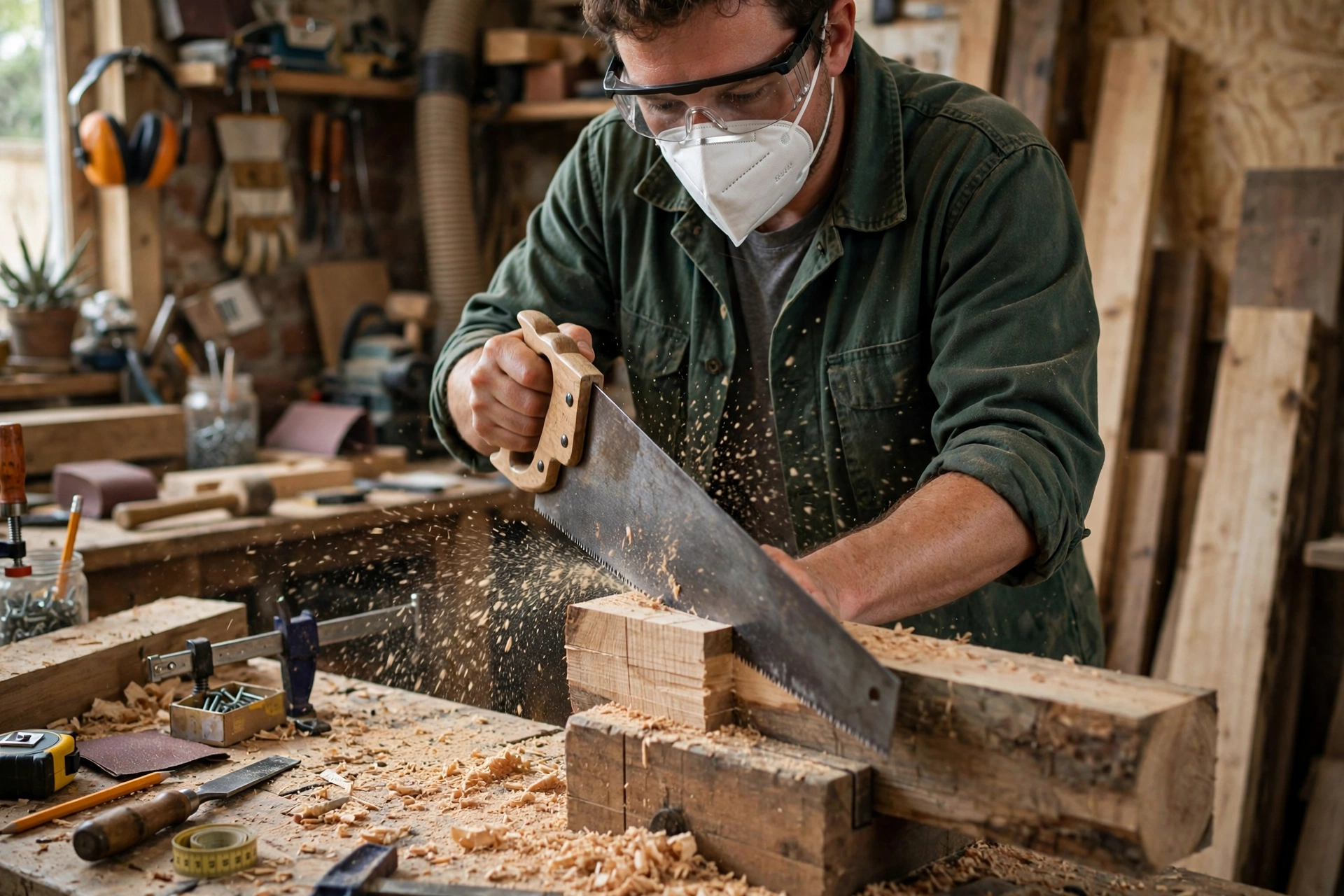
Working with Wood Safely: Dust, Splinters, and Tool Safety
Woodwork is satisfying, whether you are pruning a tree, building a shelf, carving, or clearing fallen branches. It also brings risks that are easy to underestimate: fine dust in the air, sharp splinters, heavy timber, and tools that can injure in a second if used without care.
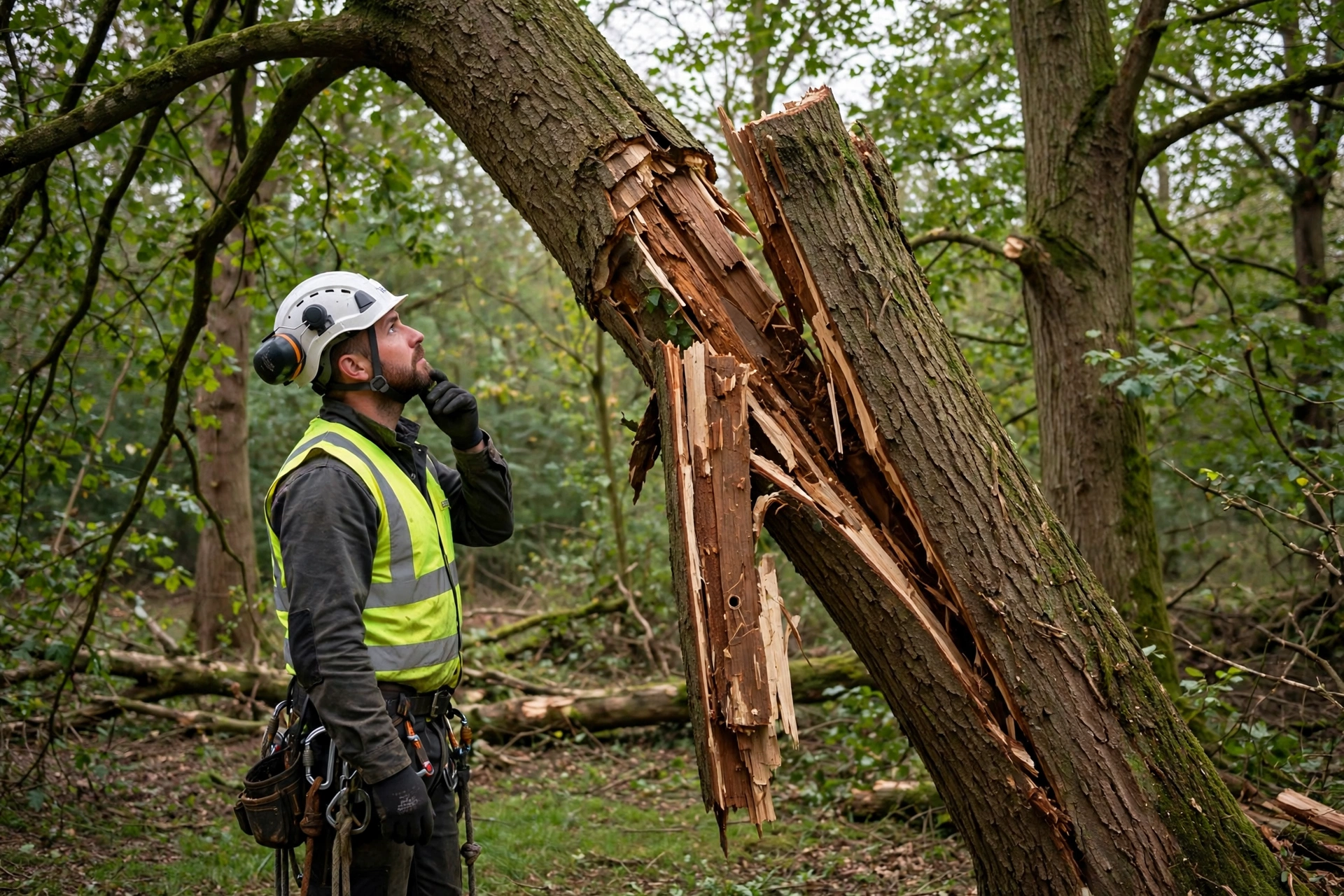
When to Call an Arborist: Tree Hazards You Should Not Handle Alone
Trees are strong, long-lived, and generally safe, but they can become hazardous when they are diseased, damaged, or growing in the wrong place. A leaning trunk, a split limb, or a root system damaged by construction may not look urgent at first, yet it can fail suddenly in wind or rain.
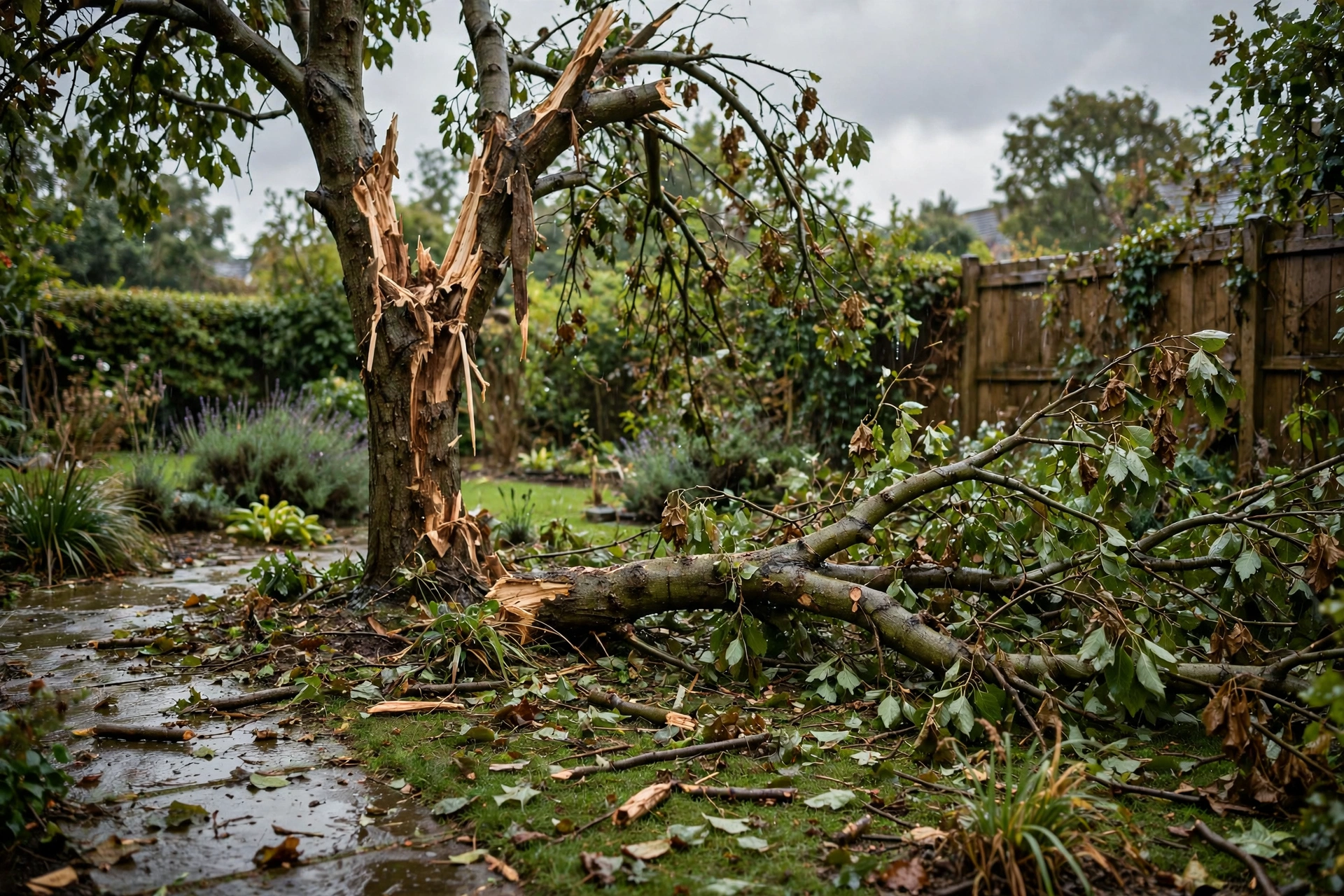
Tree Safety After Storms: Checking for Damage and Fallen Branches
After a storm, the garden can look very different. Branches lie on lawns and paths, trees lean at new angles, and leaves and debris cover everything. It is tempting to rush out and start clearing up, but the minutes after a storm are also when trees are most unpredictable.
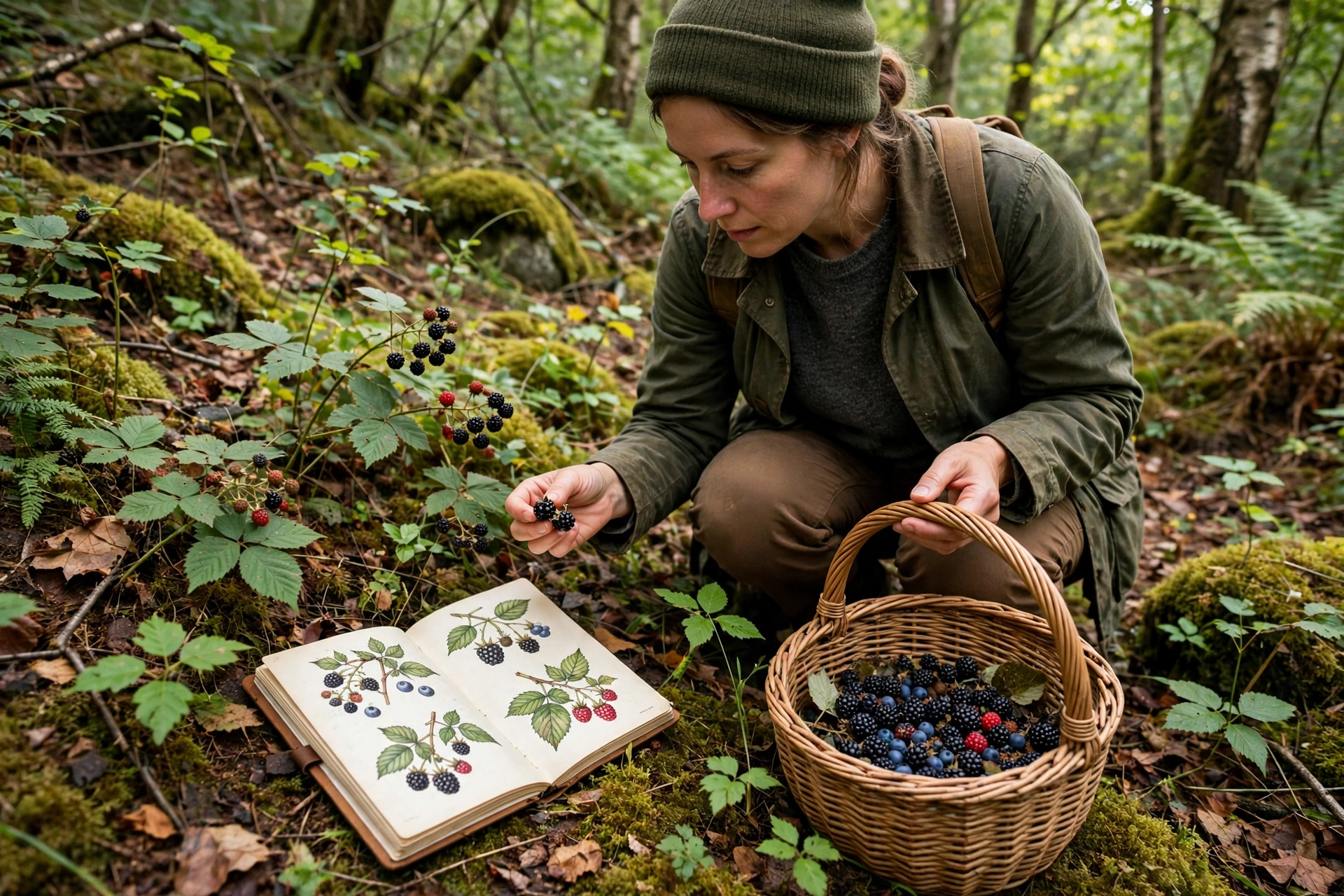
Safe Foraging Basics: Plants, Mushrooms, and Berries to Avoid
Foraging can be a joyful way to connect with nature, learn plant names, and notice the seasons. It can also be risky if you move too fast. Many wild plants, mushrooms, and berries look edible but are not, and some toxic species grow beside edible ones.