
Blog
Identification guides, nature articles and safety advice.
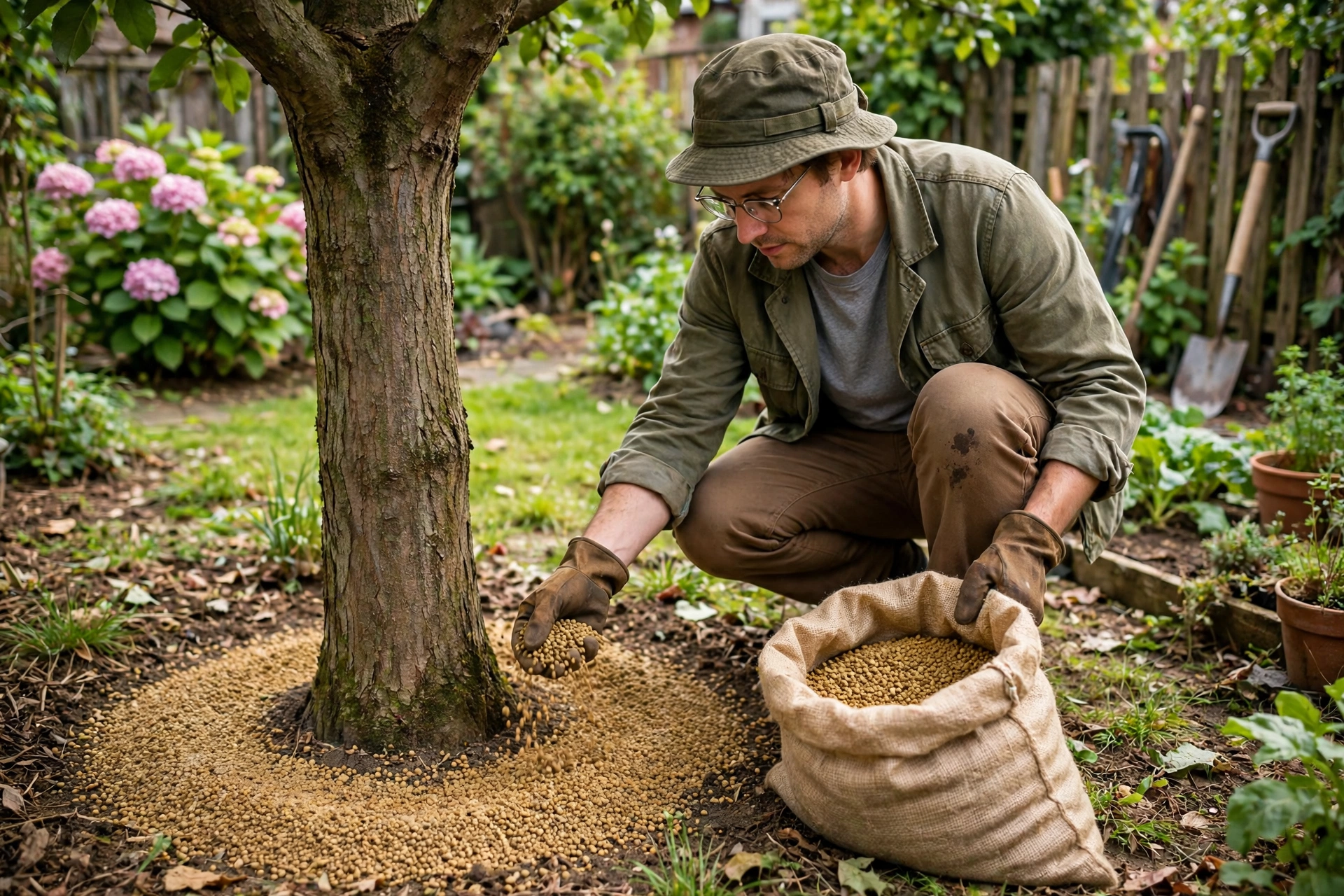
Fertilising Trees: When, What, and How Much to Feed
Many gardeners assume that trees, like vegetables or lawns, need regular feeding to grow well. In fact, most healthy, established trees in good soil need no fertiliser at all. They have extensive root systems, they recycle nutrients from their own fallen leaves, and they are adapted to the soil they grow in.
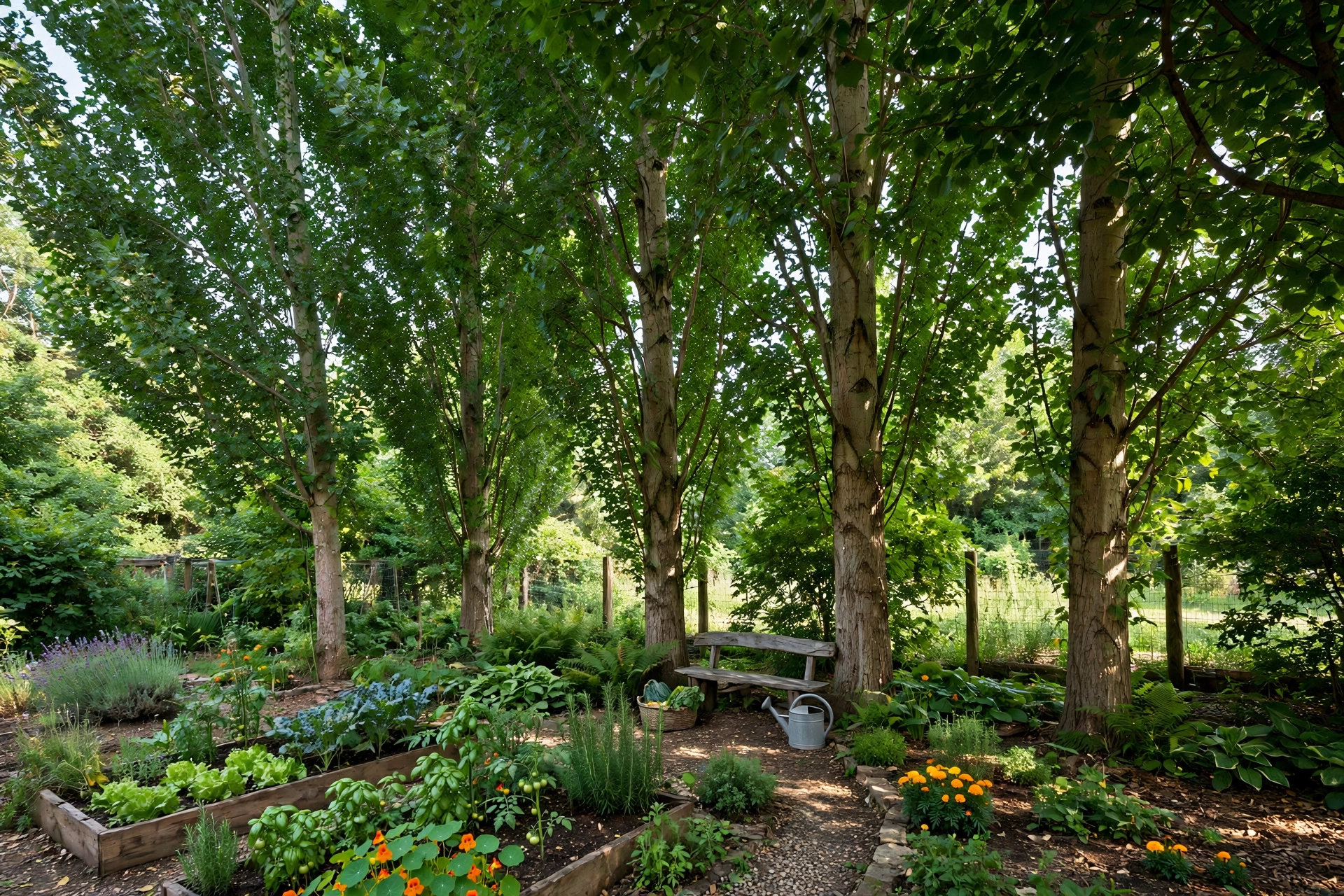
Fast-Growing Trees for Shade and Privacy: Pros, Cons, and Care
When you move into a new house, or a neighbour builds an extension, the garden can feel exposed. A fast-growing tree promises a solution: shade in a few years, privacy in even less, and a garden that feels established far sooner than nature would normally allow.
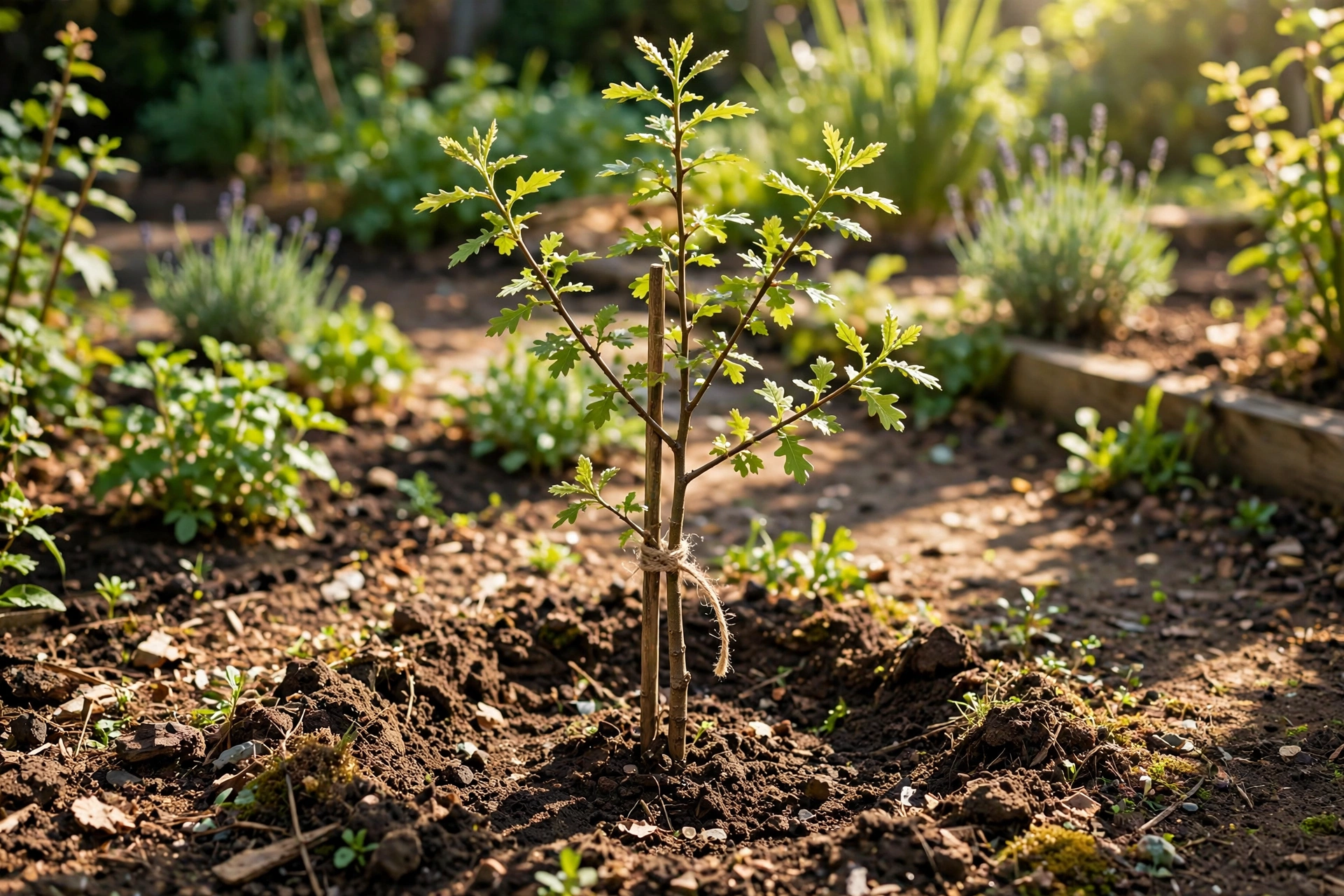
Choosing the Right Tree for Your Garden: Size, Soil, and Climate
A tree is the longest-term decision most gardeners ever make. A shrub can be moved, a flower bed can be replanted, but a tree will be there for decades — growing, shading, dropping leaves, and putting down roots.
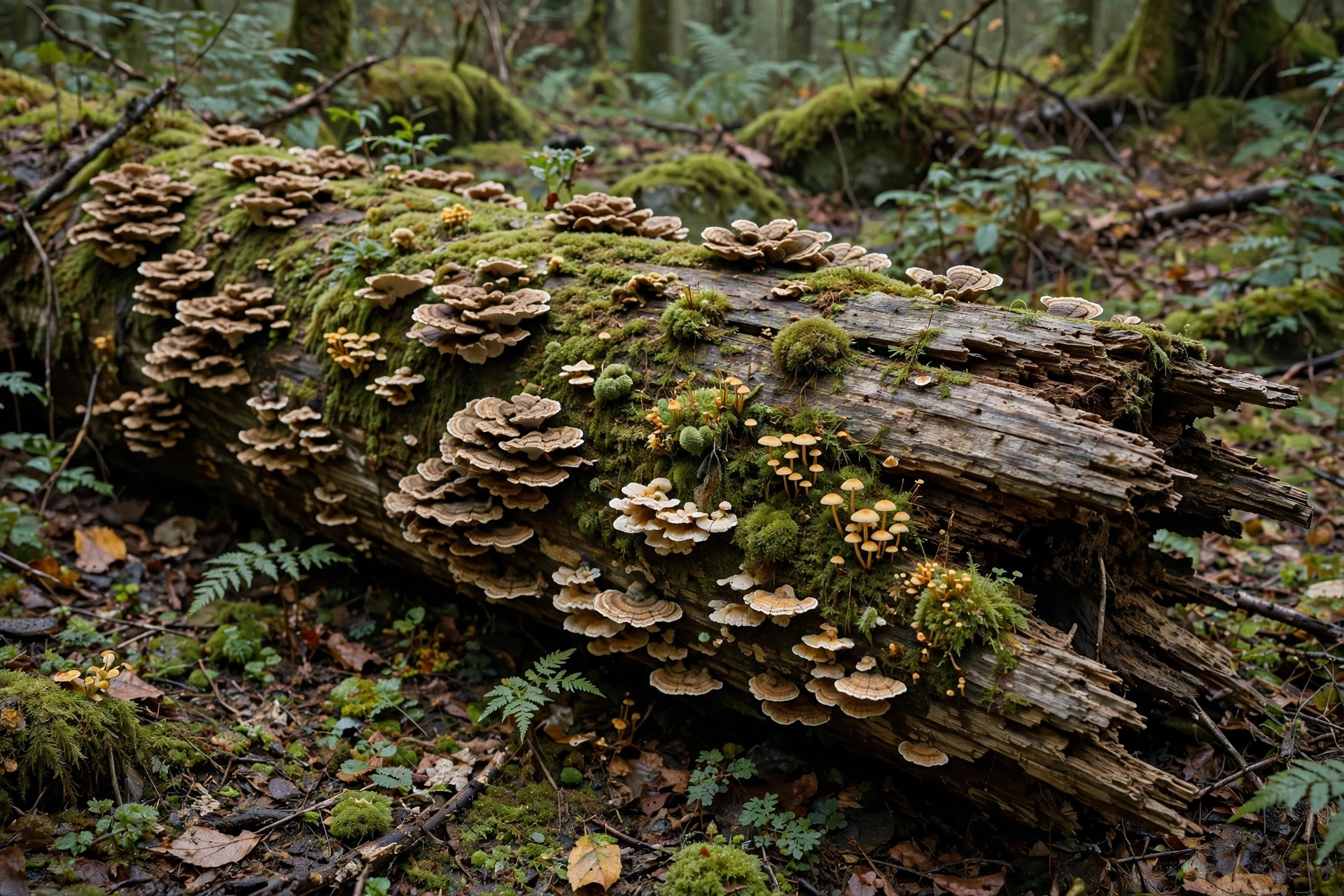
Deadwood Habitats: Why Fallen Trees Matter for Wildlife
A fallen tree can look like a mess — broken branches, peeling bark, and soft, crumbling wood. Yet it may be the busiest place in the forest. Deadwood habitats support a huge share of woodland wildlife, from tiny beetles and fungi to woodpeckers, bats, and badgers.
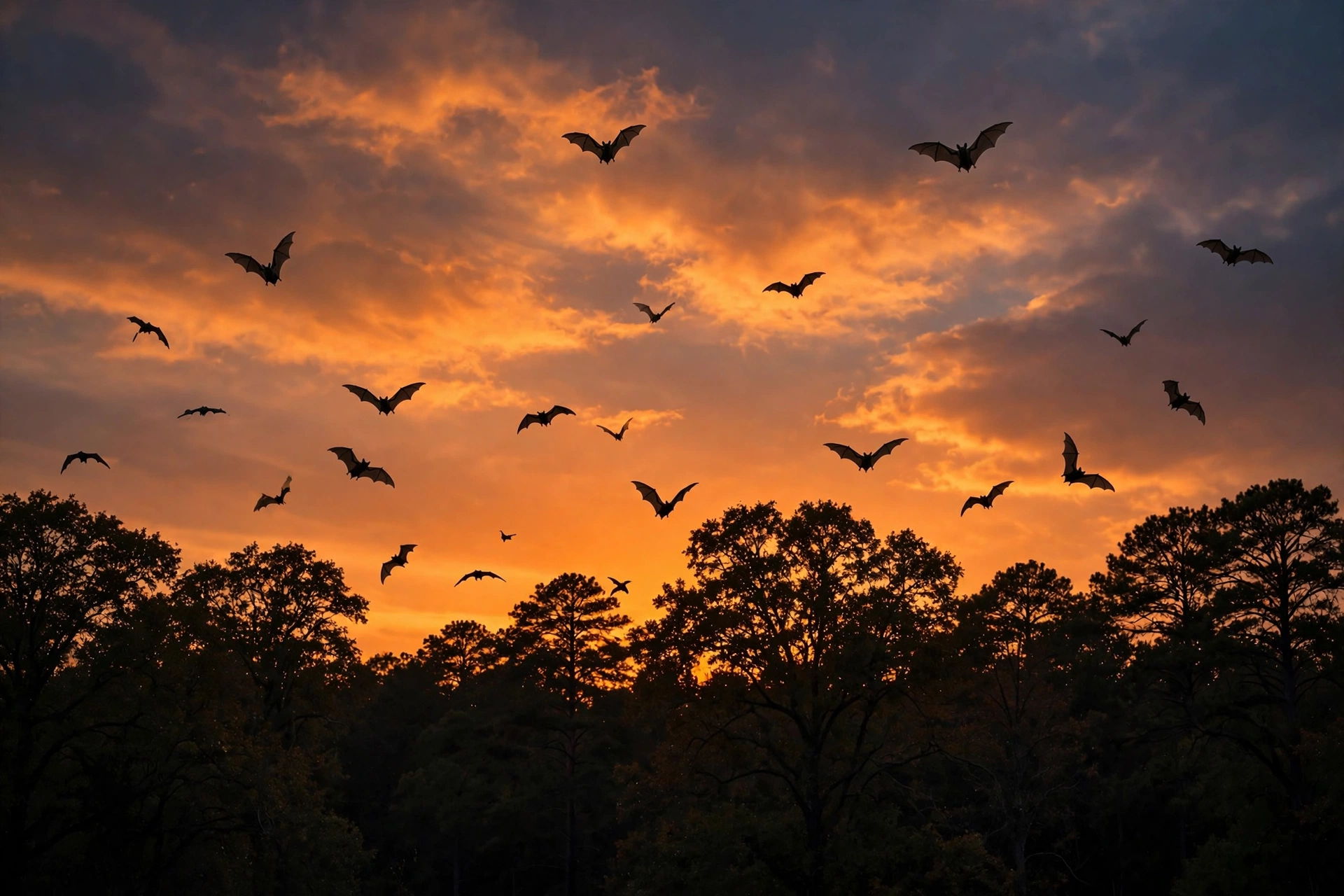
How to Identify Bats at Dusk: Flight, Sound, and Silhouette
On a warm summer evening, just as the light fades, small dark shapes flicker over gardens, woodland edges, and rivers. These are bats, the only mammals that truly fly, and they are far easier to watch than most people expect.
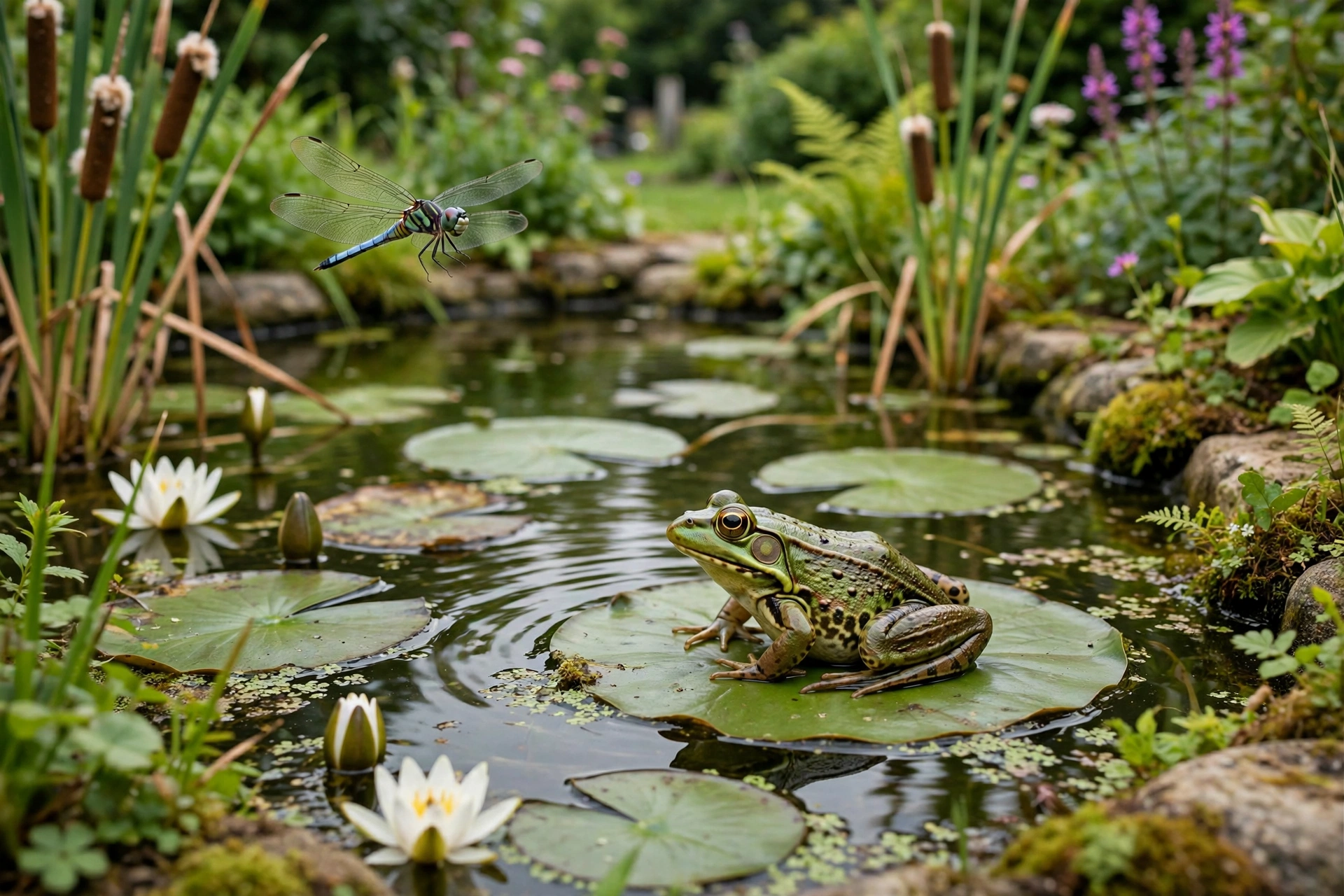
Pond Wildlife Identification: Frogs, Newts, and Water Insects
A garden pond or woodland pool can hold more wildlife than a whole field. Beneath the surface live frogs, newts, dragonfly nymphs, water beetles, and dozens of smaller creatures. Learning pond wildlife identification opens up this hidden world.
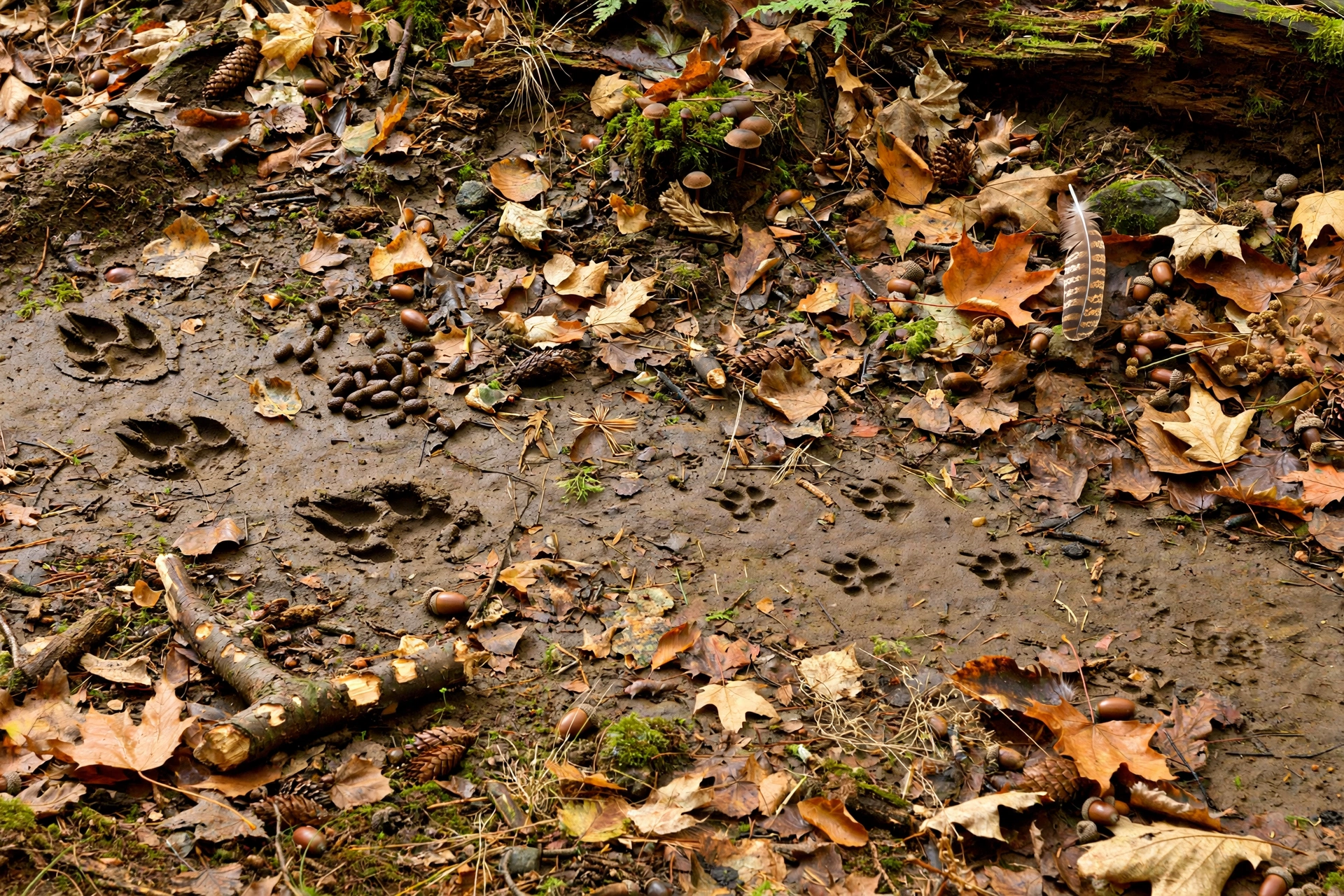
How to Identify Animal Droppings and Scat on a Nature Walk
Animal droppings, often called scat, are one of the most useful clues a nature walk can offer. The animal itself may be long gone, hidden in thick cover, or active only at night, but its droppings stay behind and tell a story.
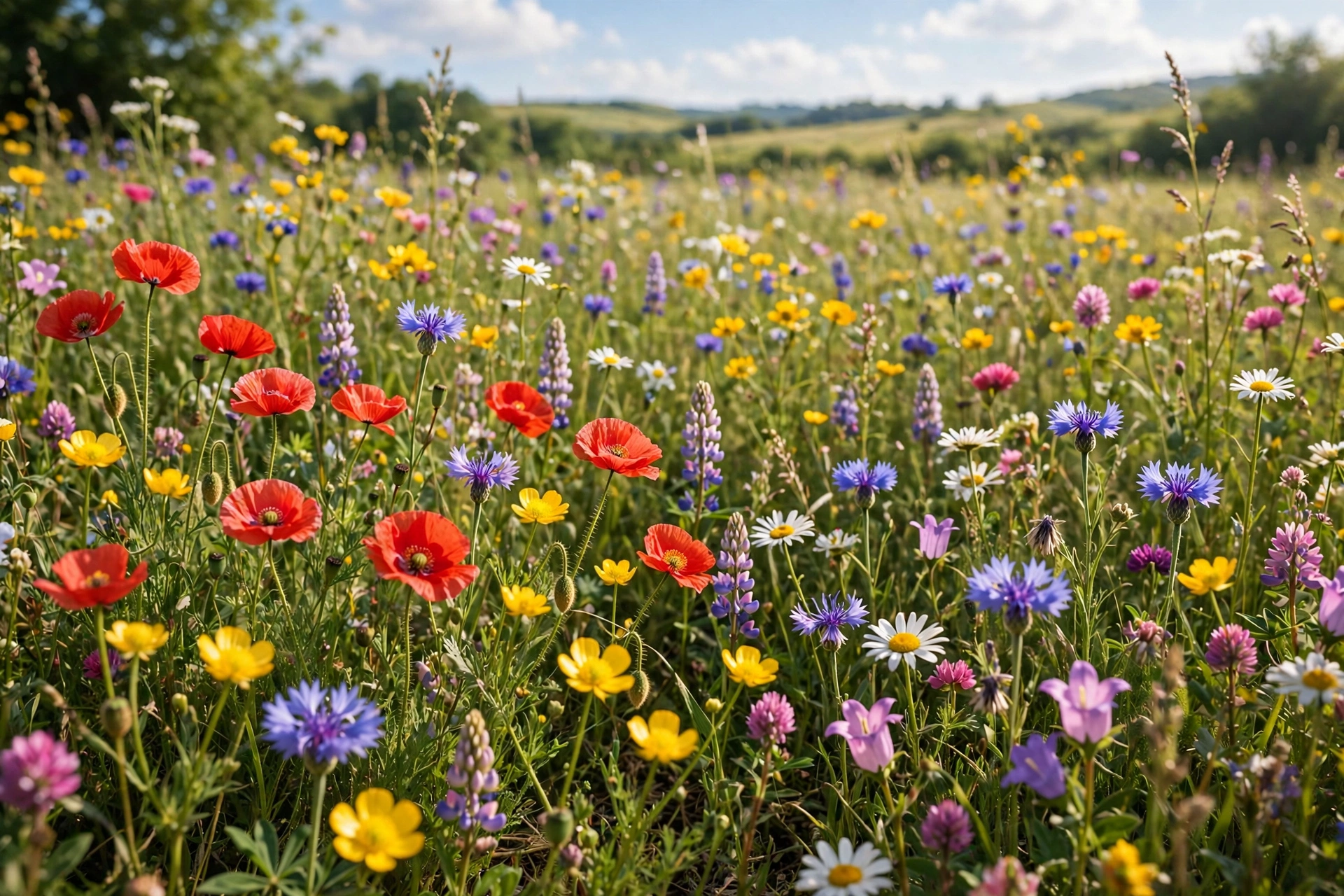
Wildflowers in Meadows and Woodlands: How to Identify Them
Wildflowers are among the easiest and most rewarding plants to identify. They are colourful, seasonal, and often grow in places we already love to walk: sunny meadows, woodland edges, riverbanks, and hedgerows.
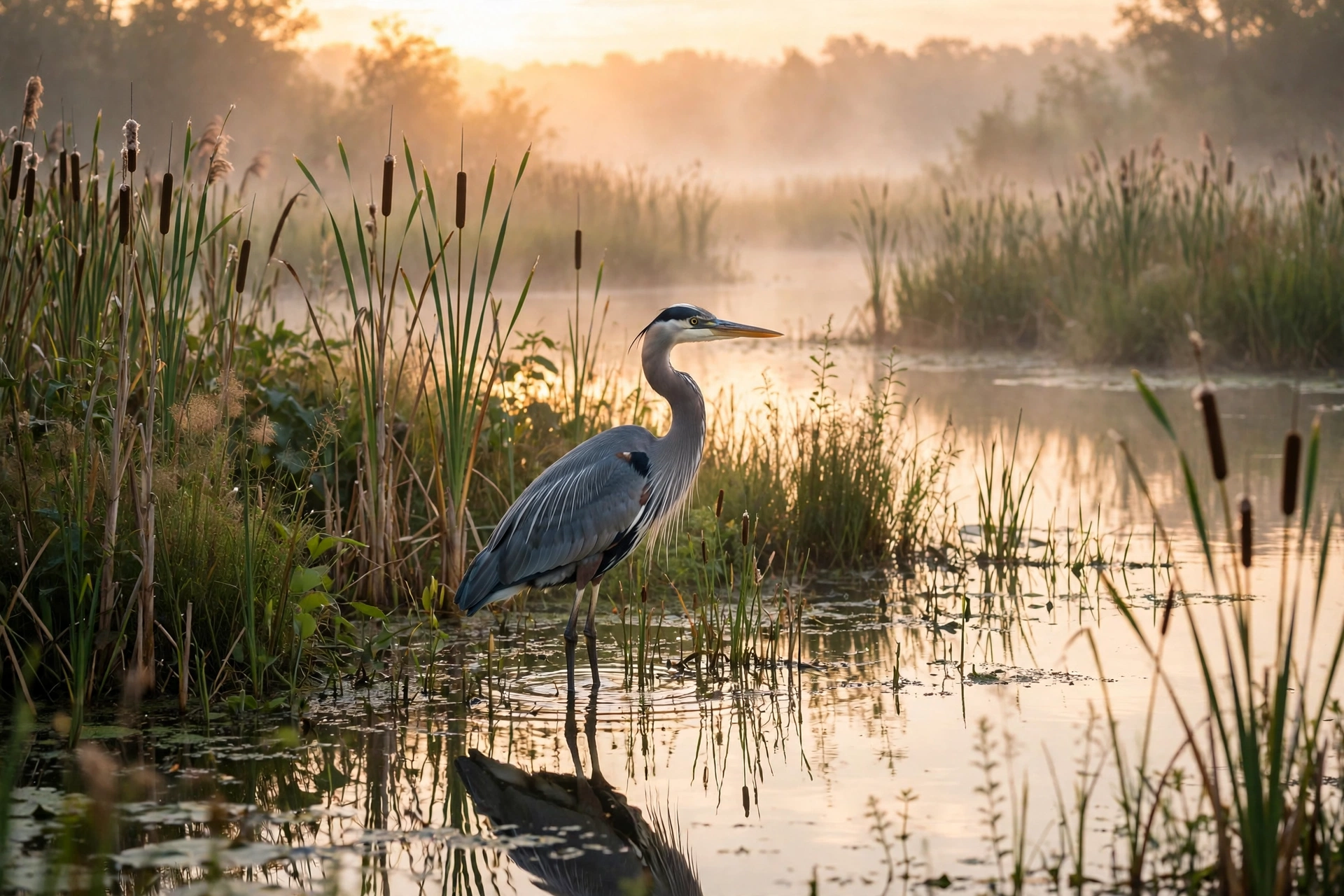
Wetland Wildlife: Birds, Plants, and Fish You Can Spot Near Water
Wetlands are among the richest places for wildlife. Where water meets land — in marshes, reedbeds, ponds, lakes, estuaries, and slow rivers — you will find birds, plants, fish, amphibians, and insects living side by side.