
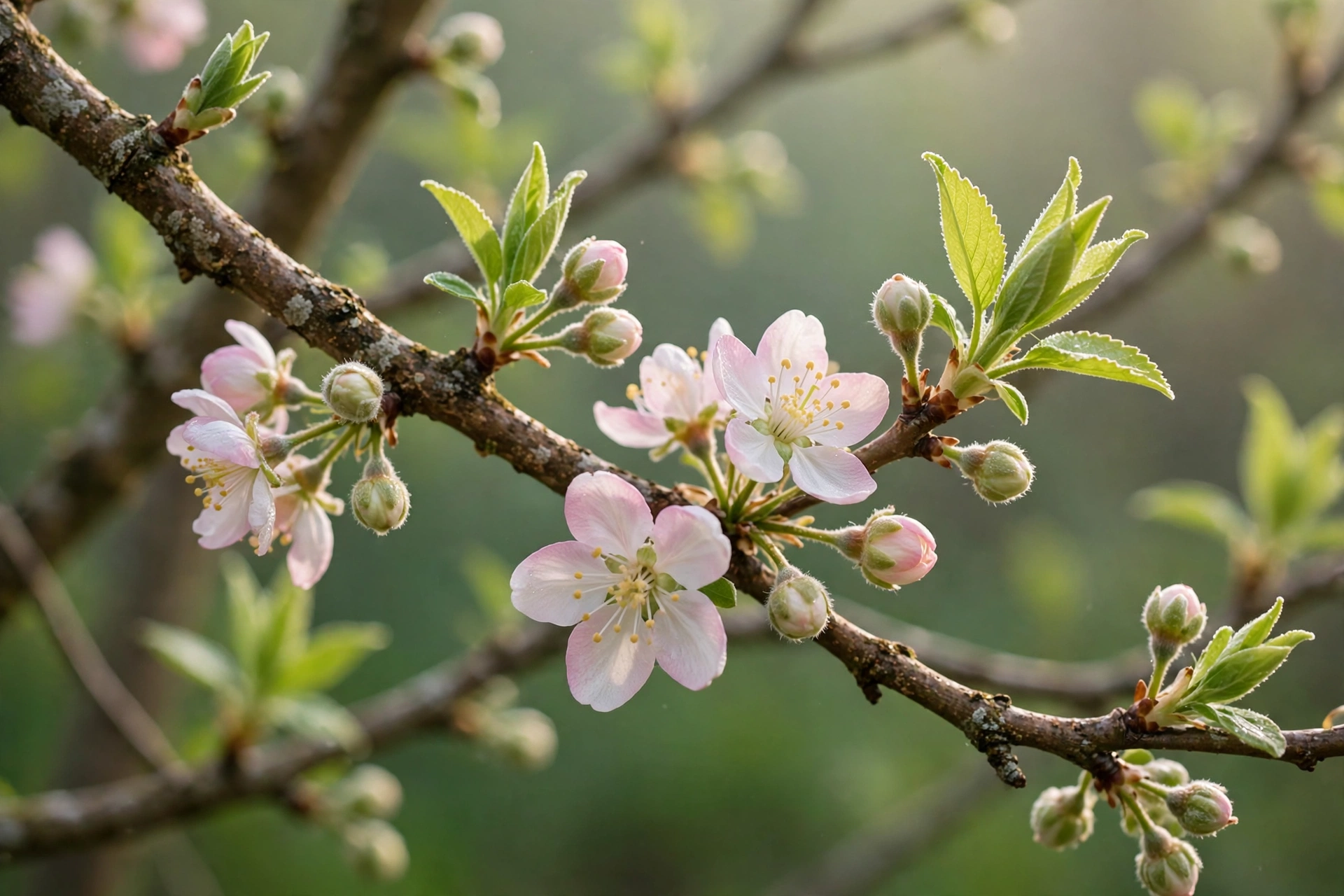
Spring is one of the most rewarding times to identify trees. After months of bare branches, buds swell, blossoms open, and fresh leaves unfurl — and each of those features gives you a clue. Unlike summer, when many trees look similar in full leaf, spring offers a short window where flowers, bud shape, and young foliage make identification easier and more enjoyable.
Whether you are walking in a park, planning a garden, or simply curious about the tree outside your window, learning to read spring signs will help you name trees with confidence. This guide walks you through what to look for, step by step.
Try it: Use the Tree Identifier on aitreeidentier.site — upload a clear photo of buds, blossom, or new leaves for an instant suggestion.
Why Spring Is a Great Time to Identify Trees
In winter, you rely mainly on bark and branch structure. In summer, leaves dominate. Spring sits in between, and it adds flowers. Many trees flower before their leaves appear, which means blossom colour, shape, and timing become powerful identifiers. Cherry, magnolia, hawthorn, and horse chestnut, for example, are far easier to recognise in flower than in leaf alone.
Spring also reveals bud arrangement. Are buds opposite each other on the twig, or alternating? Are they large and sticky, small and pointed, or clustered at the tip? These details stay consistent from year to year and help separate lookalikes.
Step-by-Step: How to Identify a Tree in Spring
Step 1: Look at the buds first
Before leaves open, examine the buds. Note their size, colour, shape, and arrangement. Opposite buds suggest maple, ash, or dogwood. Alternate buds point to oak, birch, beech, or cherry. Large, resinous buds are typical of horse chestnut, while long, pointed buds often belong to beech.
Take a close photo in good light. Bud scales, hairs, and colour can all help an identification tool narrow the options.
Step 2: Note the blossom
If the tree is flowering, record the flower colour, size, number of petals, and scent. White blossom in clusters may be hawthorn or rowan. Pink, five-petalled flowers often belong to cherry or crab apple. Large, tulip-shaped blooms are a strong sign of magnolia.
Also note whether flowers appear before, with, or after the leaves. That timing is a useful clue and varies by species.
Step 3: Watch the new leaves unfold
Young leaves can look different from mature ones — they may be bronze, red, hairy, or folded. Note the shape as it opens, the leaf edge, and whether leaves are simple or divided into leaflets. A compound leaf with many small leaflets suggests ash, walnut, or rowan. A simple, lobed leaf may be oak or maple.
Step 4: Check bark and overall shape
Spring does not erase winter clues. Bark texture, trunk colour, and the tree's overall silhouette still matter. Combine them with buds and blossom for a stronger identification rather than relying on one feature alone.
Step 5: Confirm with more than one clue
A good identification uses at least three features — for example, opposite buds, white flowers, and lobed leaves. If the clues disagree, take more photos from different angles and check again in a week as leaves develop.
Common Spring Identification Mistakes
Relying on blossom colour alone. Many trees share pink or white blossom. Colour helps, but bud arrangement and leaf shape are needed to confirm.
Photographing from too far away. A distant canopy shot rarely shows enough detail. Move closer and photograph buds, flowers, and a single leaf separately.
Ignoring location and timing. A tree flowering in early March in a cold climate is unlikely to be the same species as one flowering in late May elsewhere. Note the date and place.
Assuming young leaves are the final shape. Leaves change as they expand. Re-check after a week or two before deciding.
Frequently Asked Questions
Can I identify a tree from buds alone? Often, yes — especially with a clear close-up. Bud size, shape, colour, and arrangement are distinctive for many common species, though flowers and leaves make the result more reliable.
What is the easiest spring tree to identify? Magnolia, cherry, and horse chestnut are among the easiest because their large, distinctive flowers and buds stand out before leaves appear.
Do I need to know the tree's location? It helps a great deal. Native range, soil, and whether the tree was planted in a garden or park all narrow the possibilities.
When is the best time of day to photograph buds and blossom? Soft morning or late-afternoon light works best. Avoid harsh midday sun, which washes out colour and creates strong shadows.
Conclusion
Spring tree identification is about combining clues: buds, blossom, young leaves, bark, and timing. No single feature tells the whole story, but together they make identification practical and fun. Start with the trees near your home, photograph them each week through spring, and you will quickly build a habit of noticing detail. With practice — and a quick check with an AI tool — you will be naming trees confidently by the time summer arrives.
Safety note: Never eat or use any part of a tree or plant based on AI identification alone. Always consult a local expert for confirmation.