
Blog
Identification guides, nature articles and safety advice.
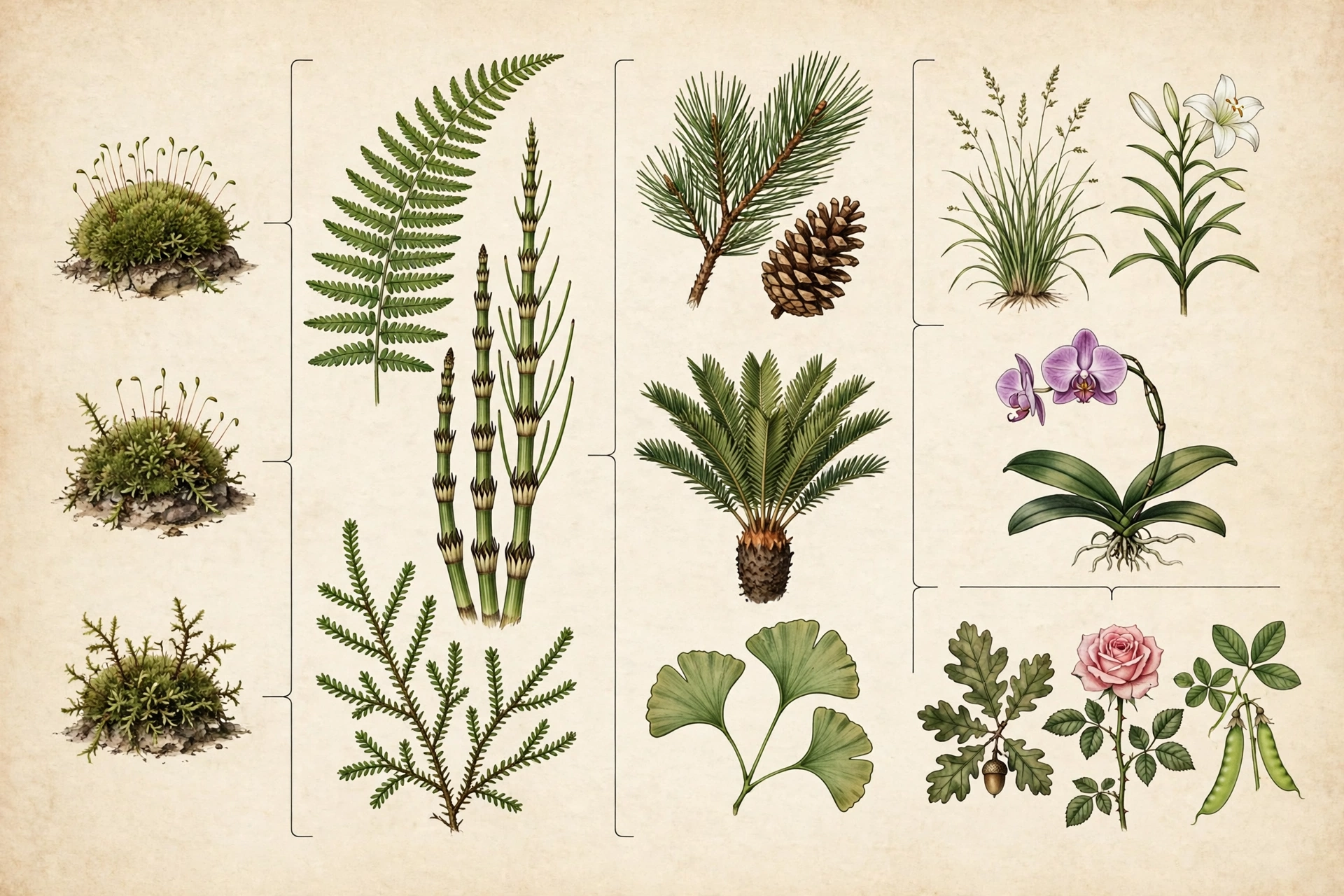
Plant Taxonomy Explained: Families, Genera, and Species
A rose by any other name might smell as sweet, but it would be hard to find in a plant catalogue. Common names vary by region, language, and even neighbourhood. One plant can have several common names, and one common name can refer to several different plants.
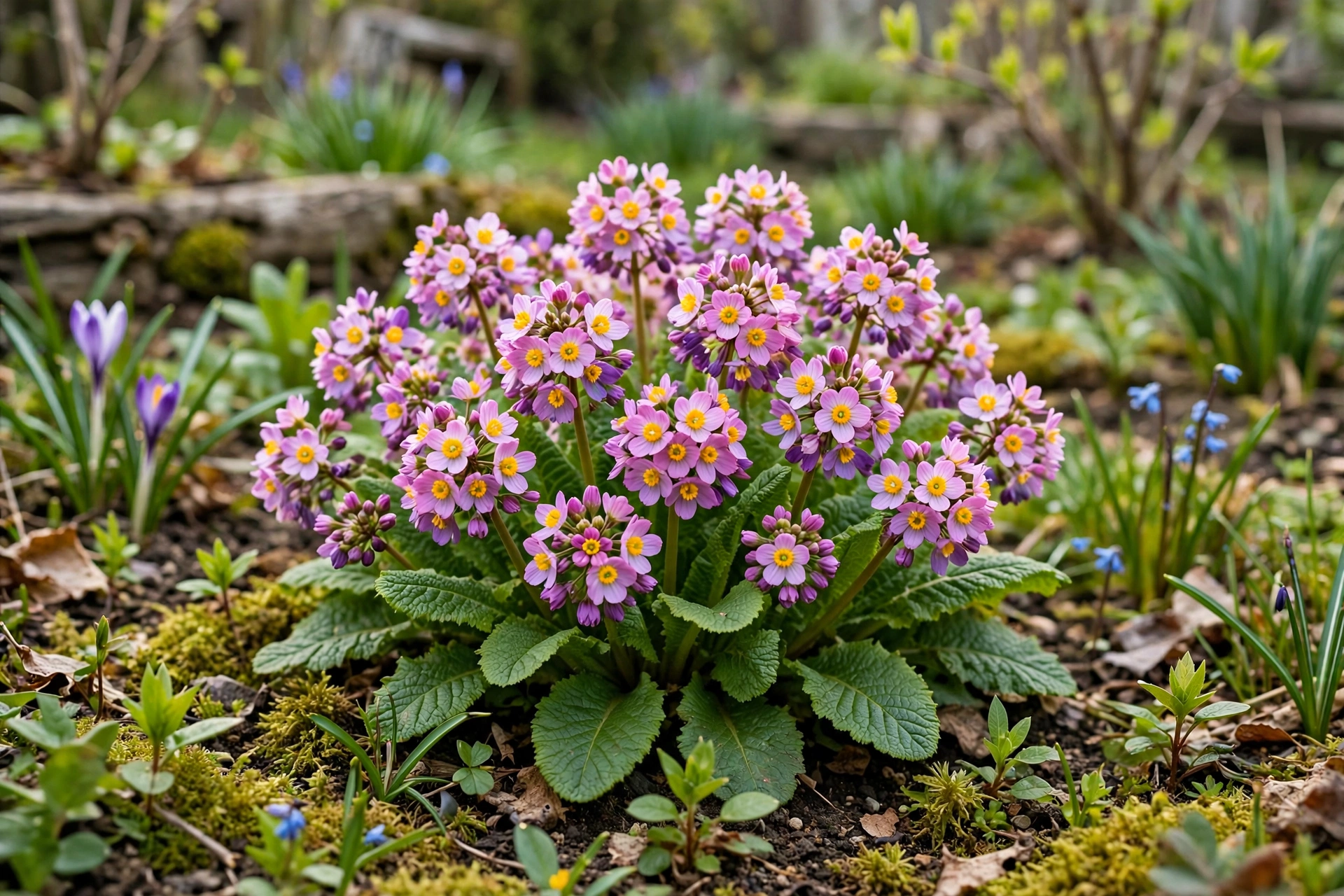
Plant Hormones and Growth: How Plants Know When to Bloom
A plant cannot check a calendar, yet it knows when to grow, when to flower, when to set fruit, and when to rest. It senses day length, temperature, light quality, water, and nutrients, and it coordinates its response with chemical messengers called plant hormones.
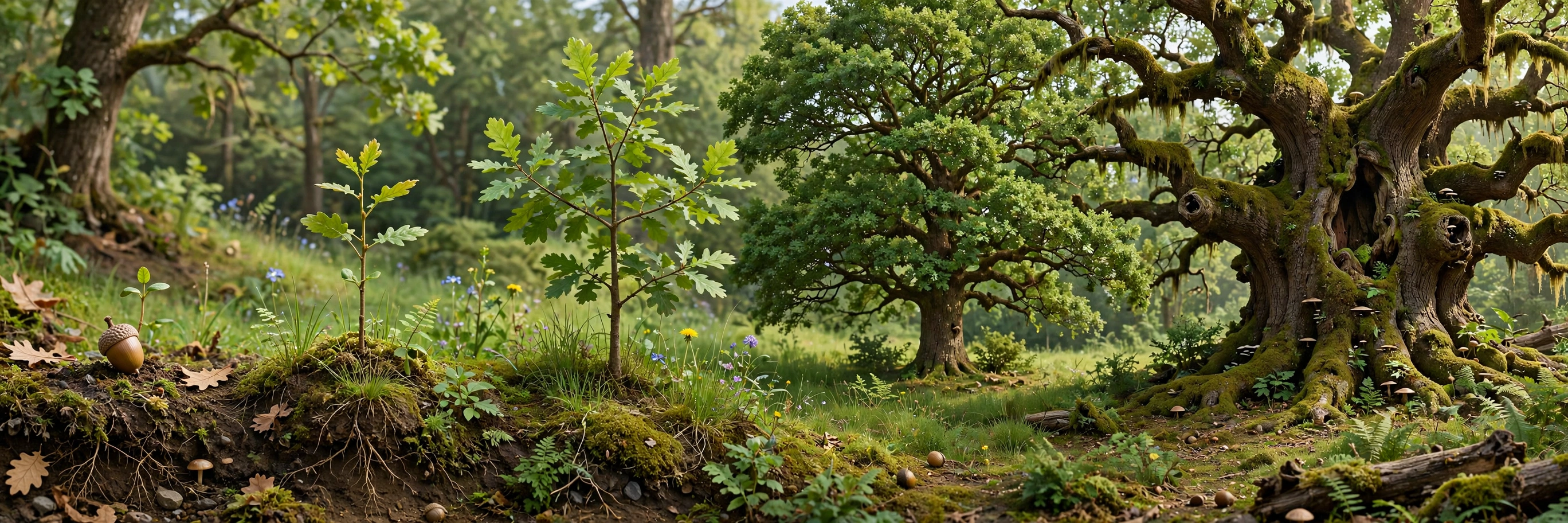
The Life Cycle of a Tree: From Seed to Ancient Giant
A tree's life can span longer than a human lifetime, and in some species, longer than many human generations. An oak can live for hundreds of years, a yew for over a thousand, and a bristlecone pine for several thousand.
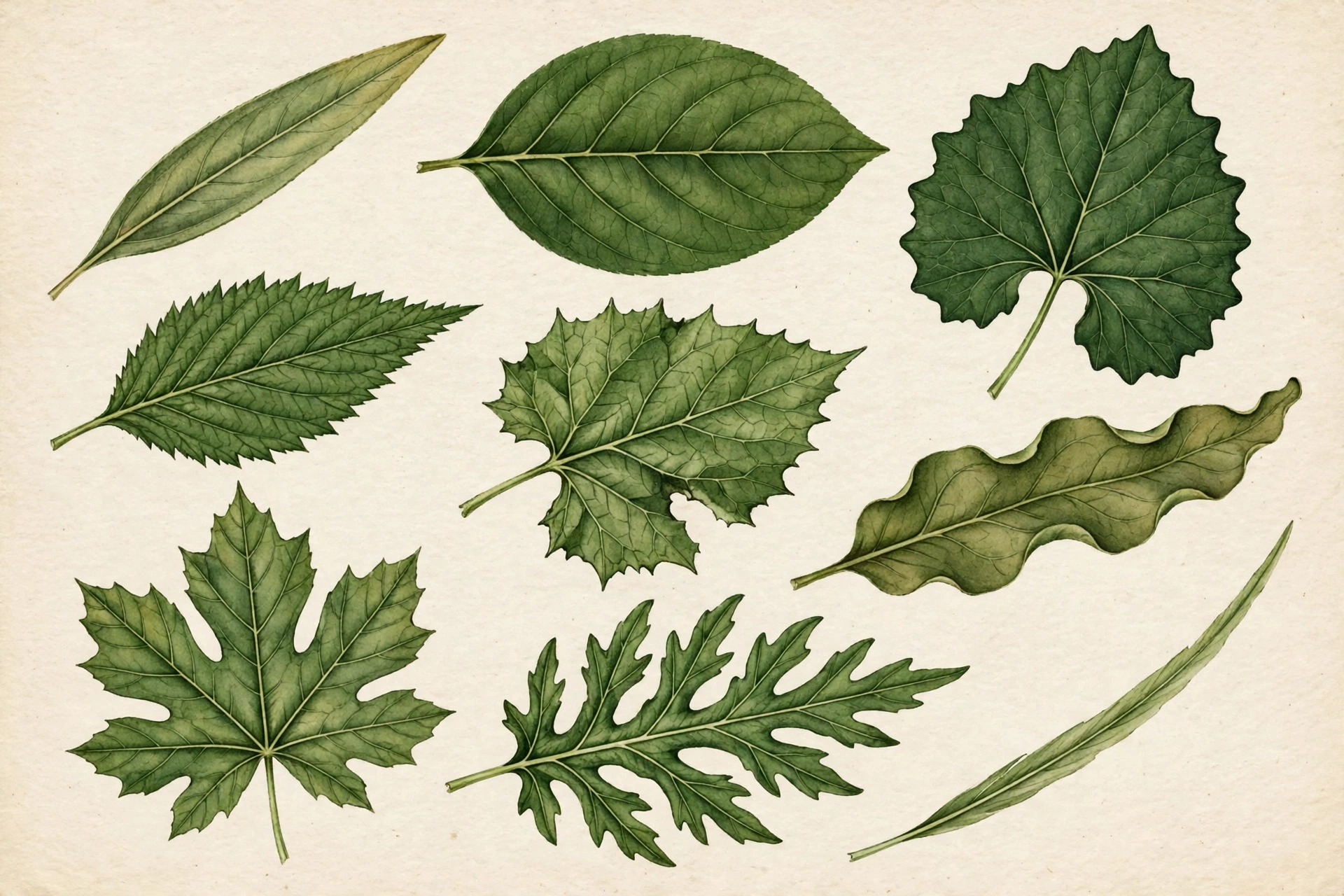
Leaf Shapes and Margins: How Botanists Identify Plants
When botanists identify a plant, they rarely start with the flower. Flowers are seasonal, but leaves are present for much of the year, and they carry a surprising amount of information. Shape, edge, size, texture, vein pattern, and how leaves sit on a stem can narrow a plant down from hundreds of possibilities to just a few.
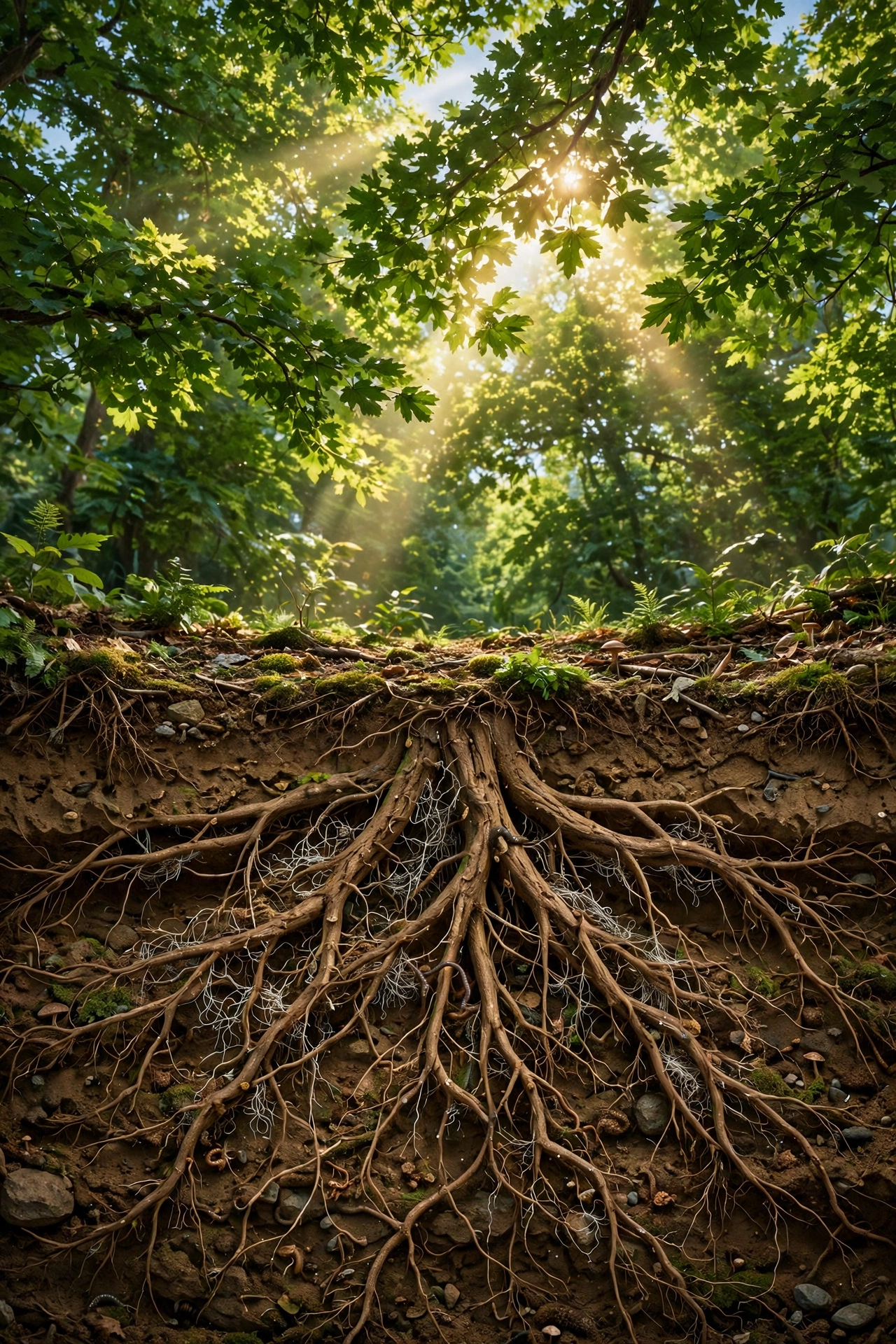
How Trees Make Food, Breathe, and Communicate
A tree looks still and silent, but inside it is busy. Leaves are making food, roots are drinking water, bark is protecting living tissue, and underground networks are exchanging nutrients and warning signals.
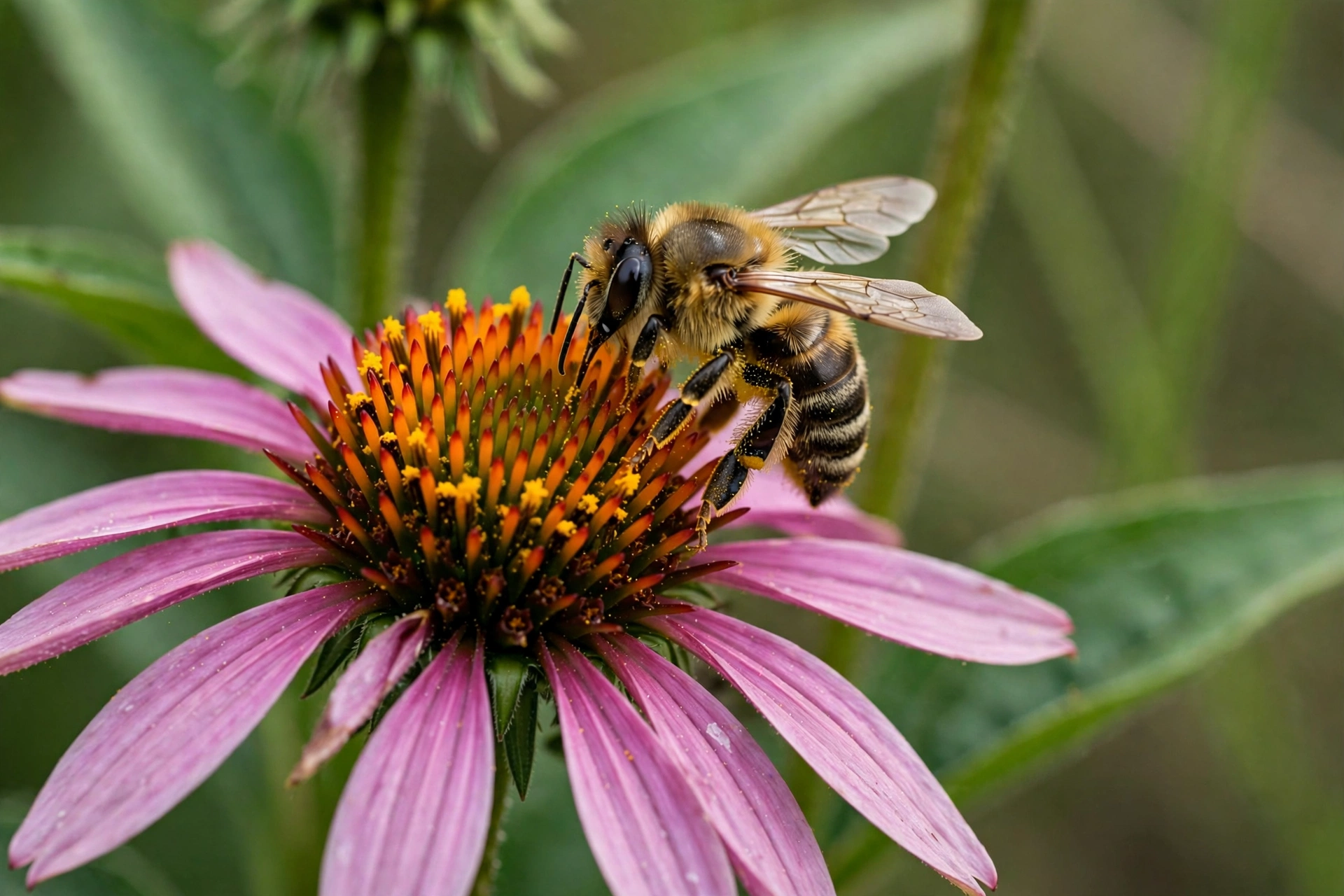
How Pollination Works: Bees, Wind, and Flowers
A flower's job is to produce seeds, but most flowers cannot do it alone. Pollen, the fine powder that carries male reproductive cells, must reach the female part of a flower, the stigma, for fertilisation to happen.
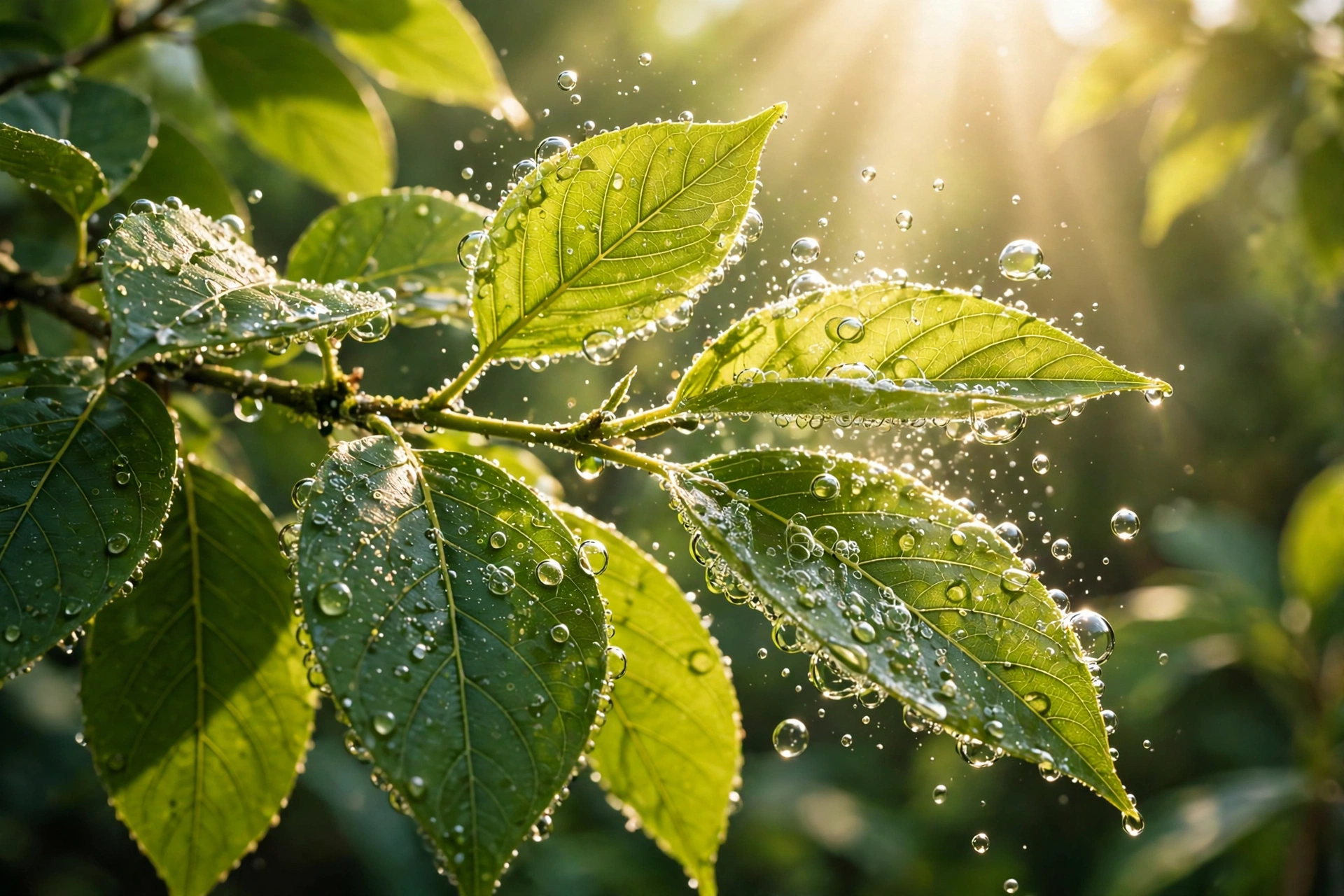
How Plants Grow: Photosynthesis Explained in Simple Terms
Every green plant is a small solar-powered factory. It takes sunlight, water, and carbon dioxide from the air and turns them into food and oxygen. This process is called photosynthesis, and it supports almost all life on Earth.
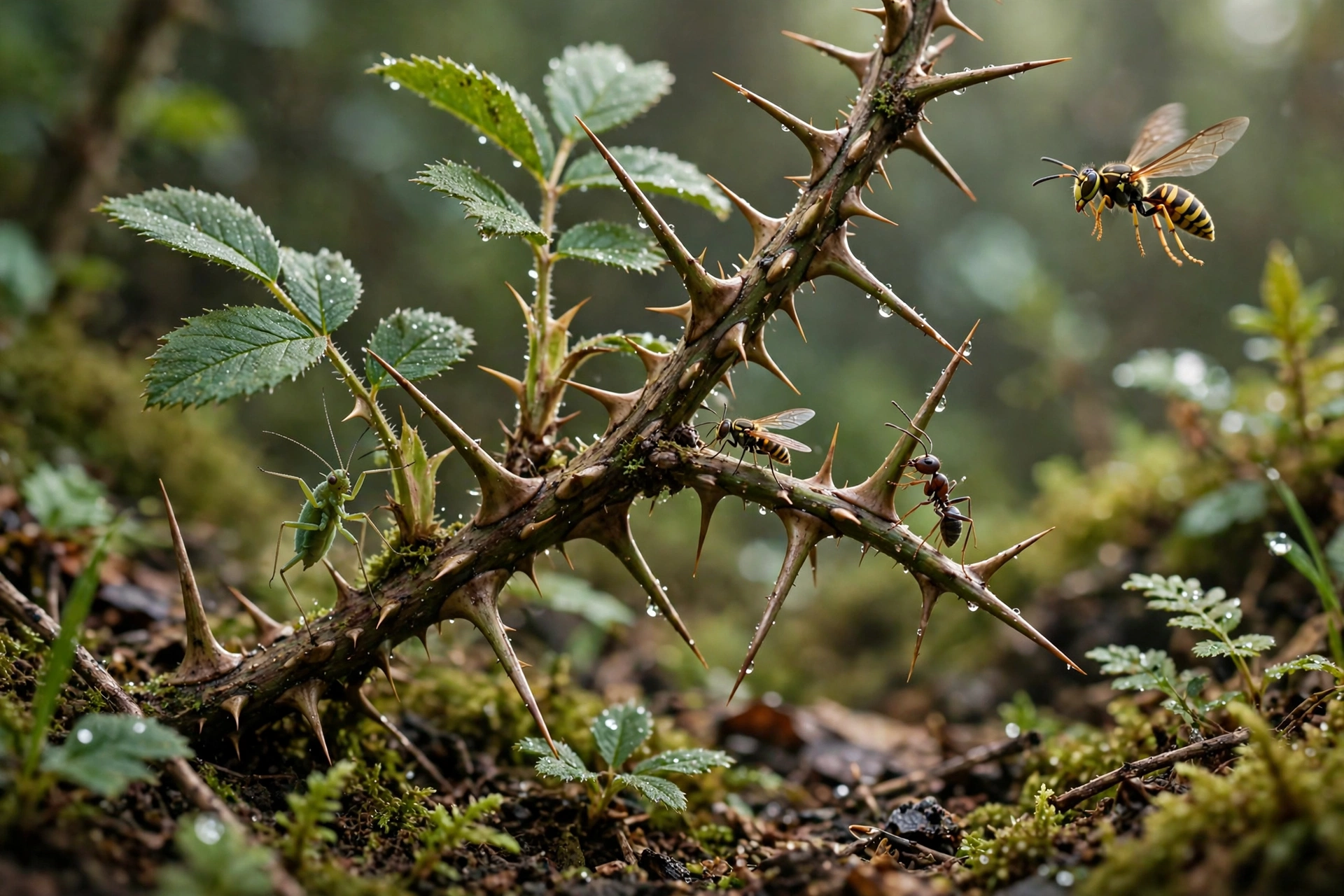
How Plants Defend Themselves Against Pests and Disease
Plants cannot run away from insects, fungi, or grazing animals, so they have evolved a wide range of defences. Some are physical, such as thorns, hairs, and tough leaves. Some are chemical, such as bitter or toxic compounds.
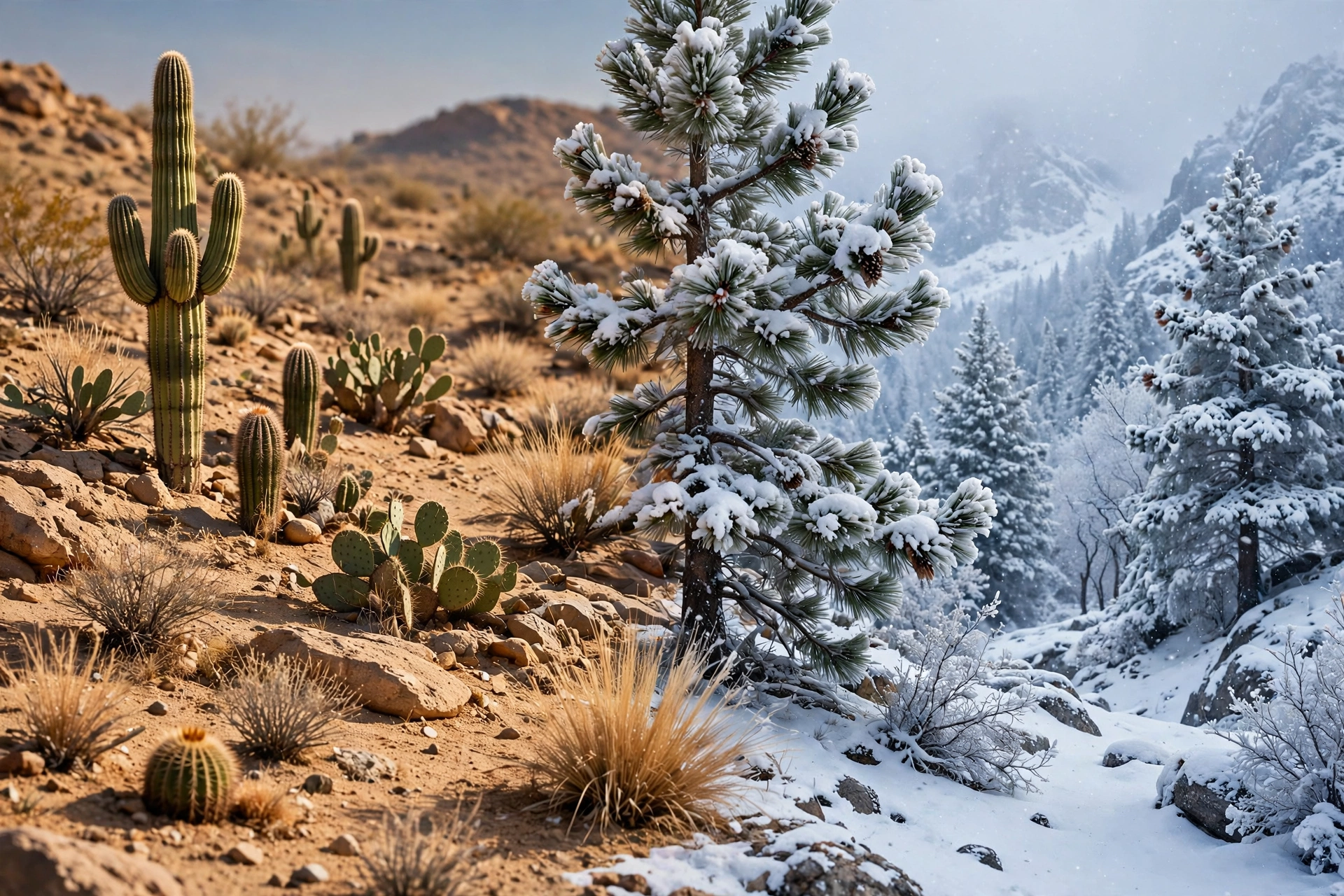
How Plants Adapt to Different Climates and Soils
A cactus in a desert, a pine on a snowy mountain, and a mangrove in salty water look very different, but they are all solving the same problems: getting enough water, light, and nutrients, surviving heat, cold, wind, and salt, and reproducing before conditions turn harsh.