
Blog
Identification guides, nature articles and safety advice.
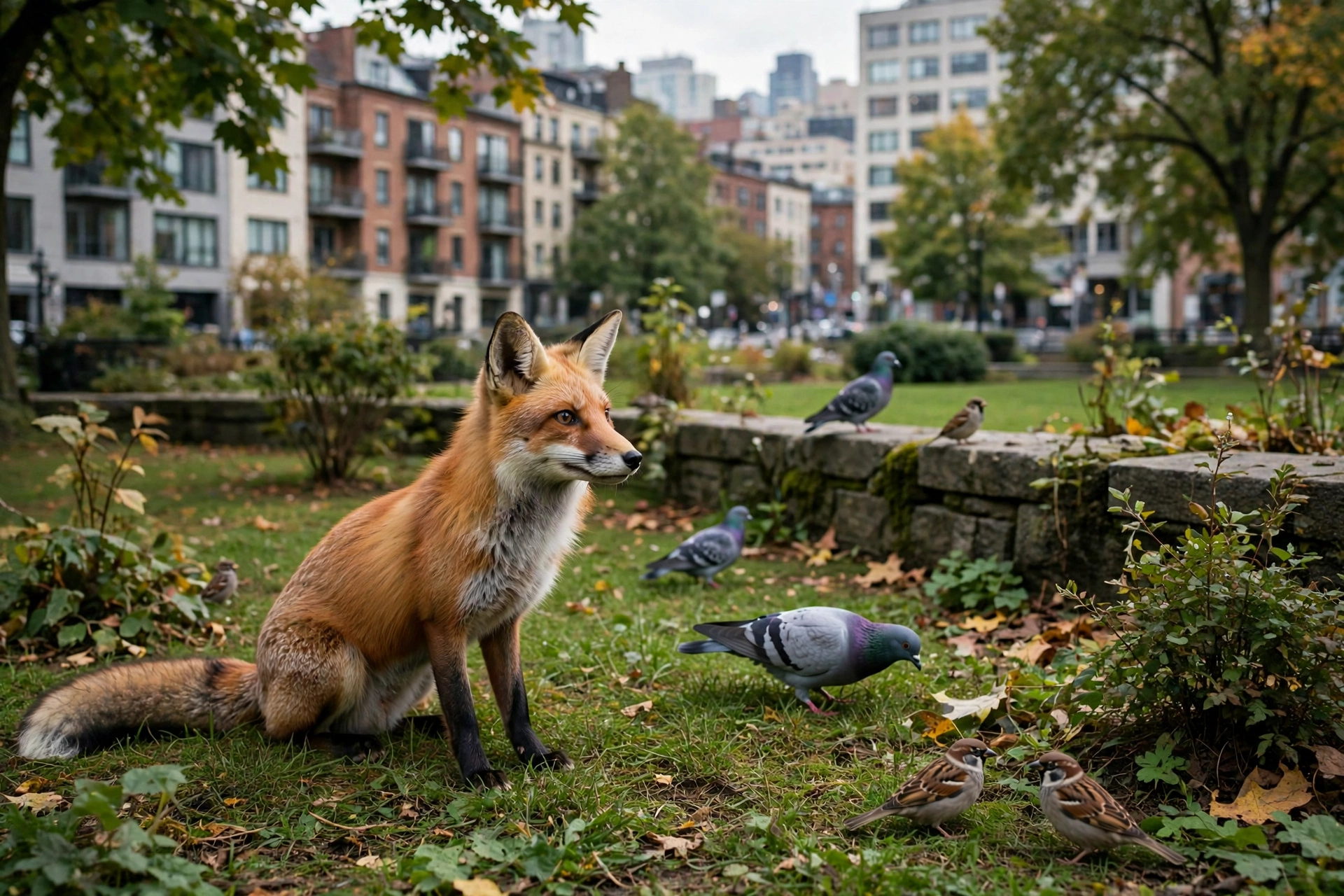
Urban Wildlife: Animals, Birds, and Insects You Can Identify in the City
You do not need to leave the city to find wildlife. Foxes trot through suburbs at night, peregrine falcons nest on tall buildings, bees visit balcony flowers, and butterflies drift through parks and gardens.
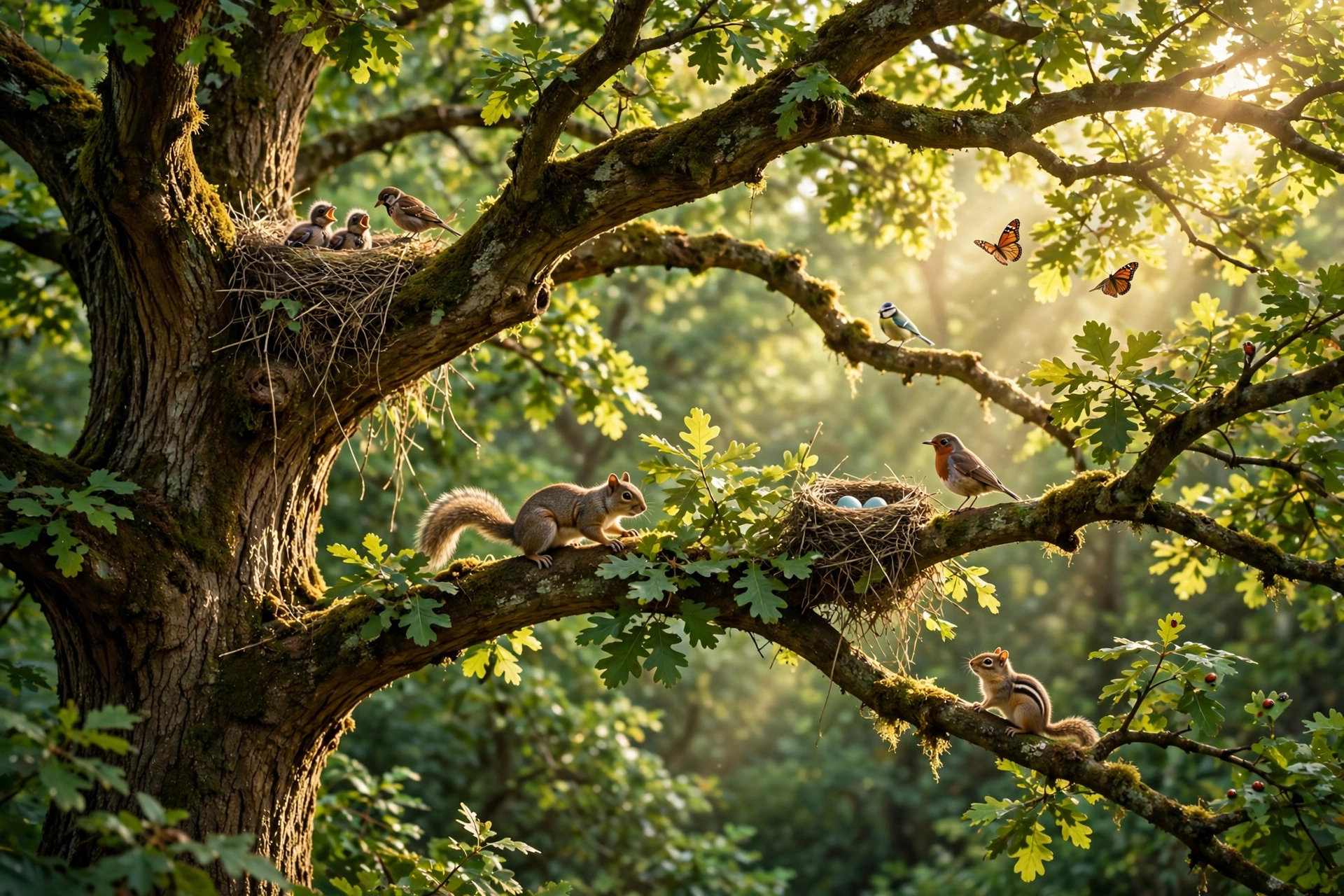
The Role of Trees in Wildlife Habitats: Food, Shelter, and Nesting
A single tree can support hundreds of species. It offers food in its leaves, flowers, fruits, and seeds; shelter in its bark, branches, and roots; and nesting sites in its hollows, forks, and canopy.
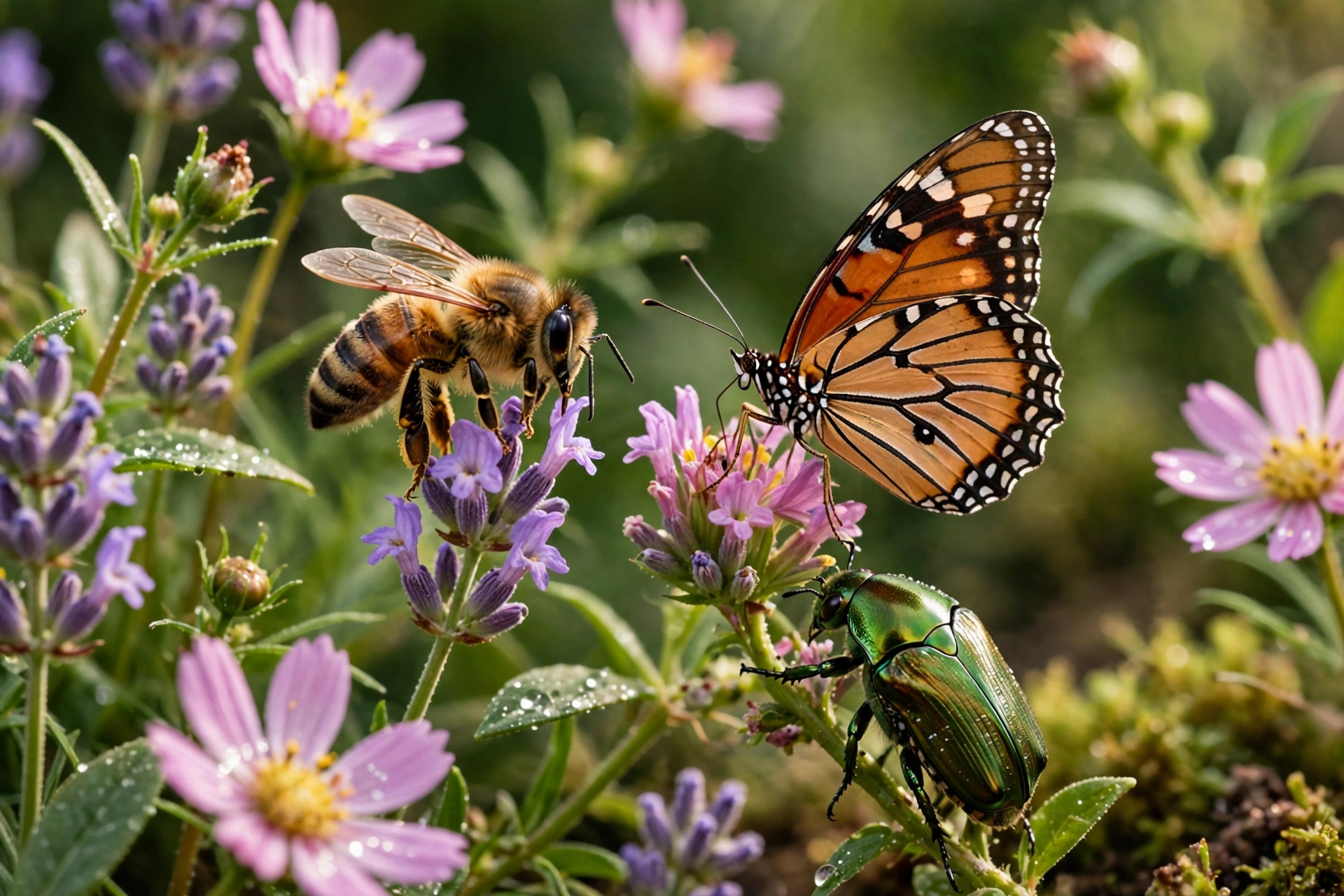
Insect Identification for Gardeners: Bees, Butterflies, and Beetles
For a gardener, insects are not just visitors — they are workers, pollinators, pest controllers, and indicators of garden health. Bees pollinate fruit and vegetables. Butterflies pollinate flowers and signal a healthy ecosystem.
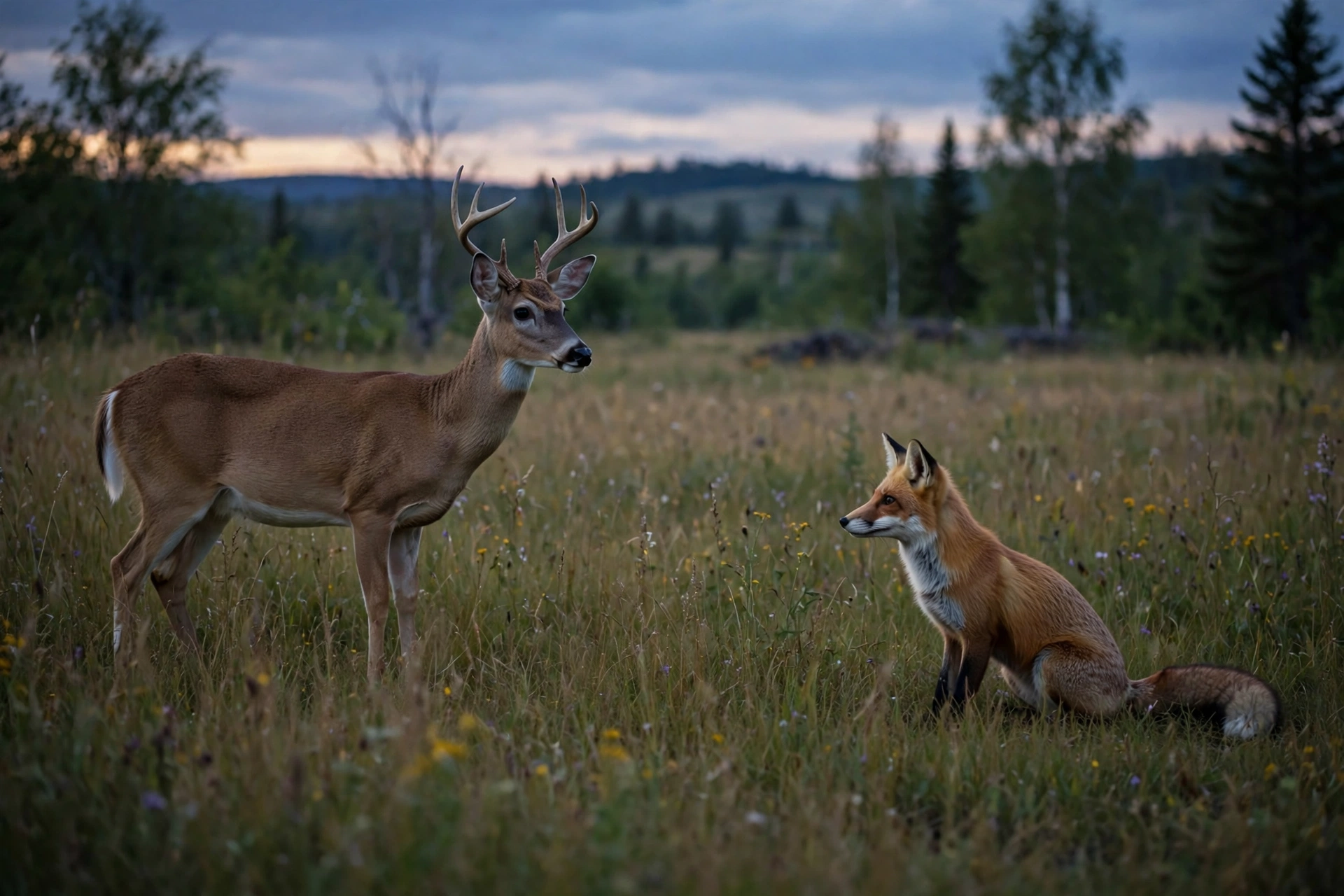
Identifying Wild Animals from Photos: A Beginner's Field Guide
Spotting a wild animal is thrilling — and then comes the question: what was that? A flash of brown fur, a bird at the edge of a field, or a shape in the water can be hard to name in the moment.
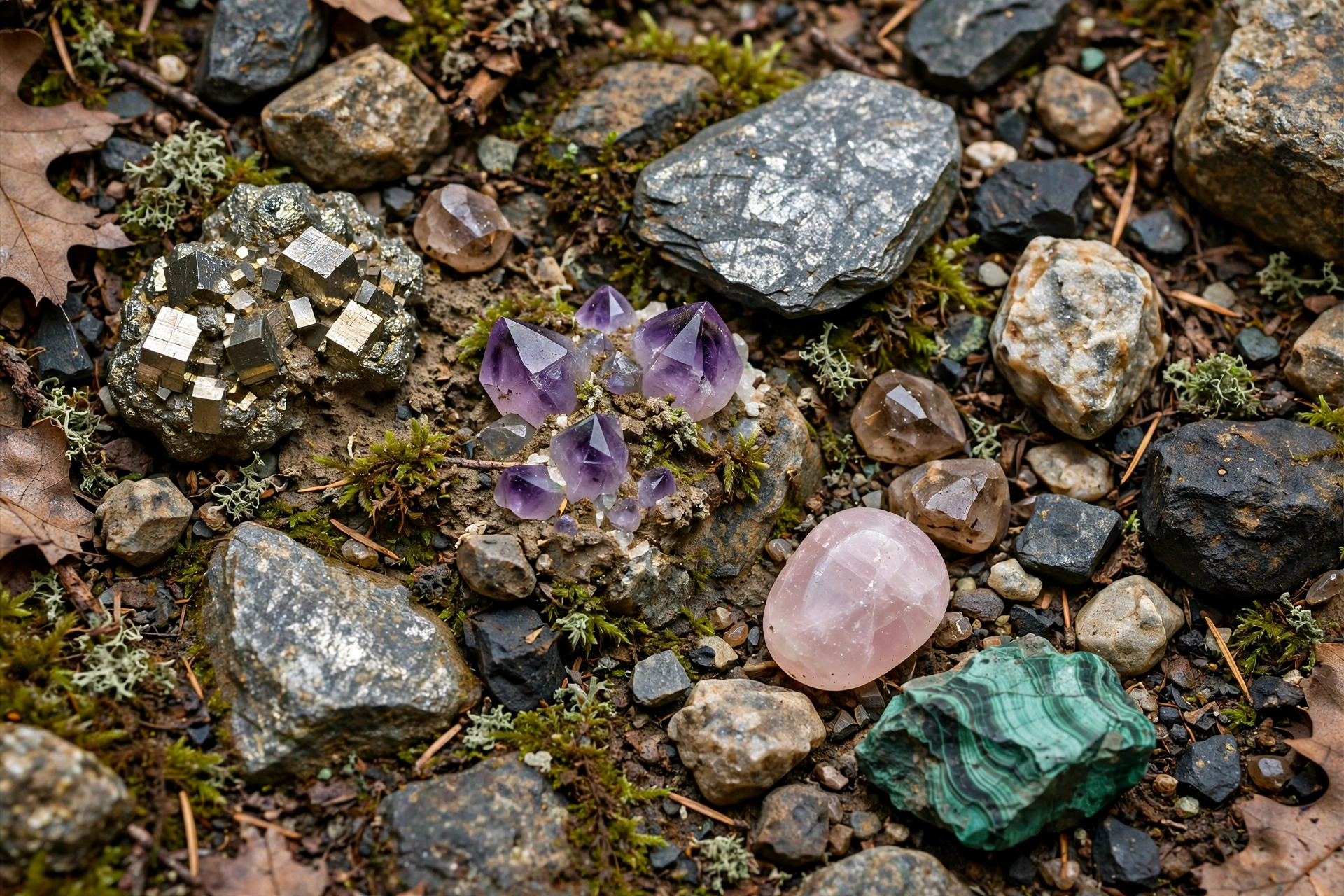
Identifying Rocks and Minerals on a Nature Walk
Rocks and minerals are the quiet foundation of every landscape. They shape hills and valleys, influence the soil, and decide which plants grow where. Yet most walkers pass them by without a second look.
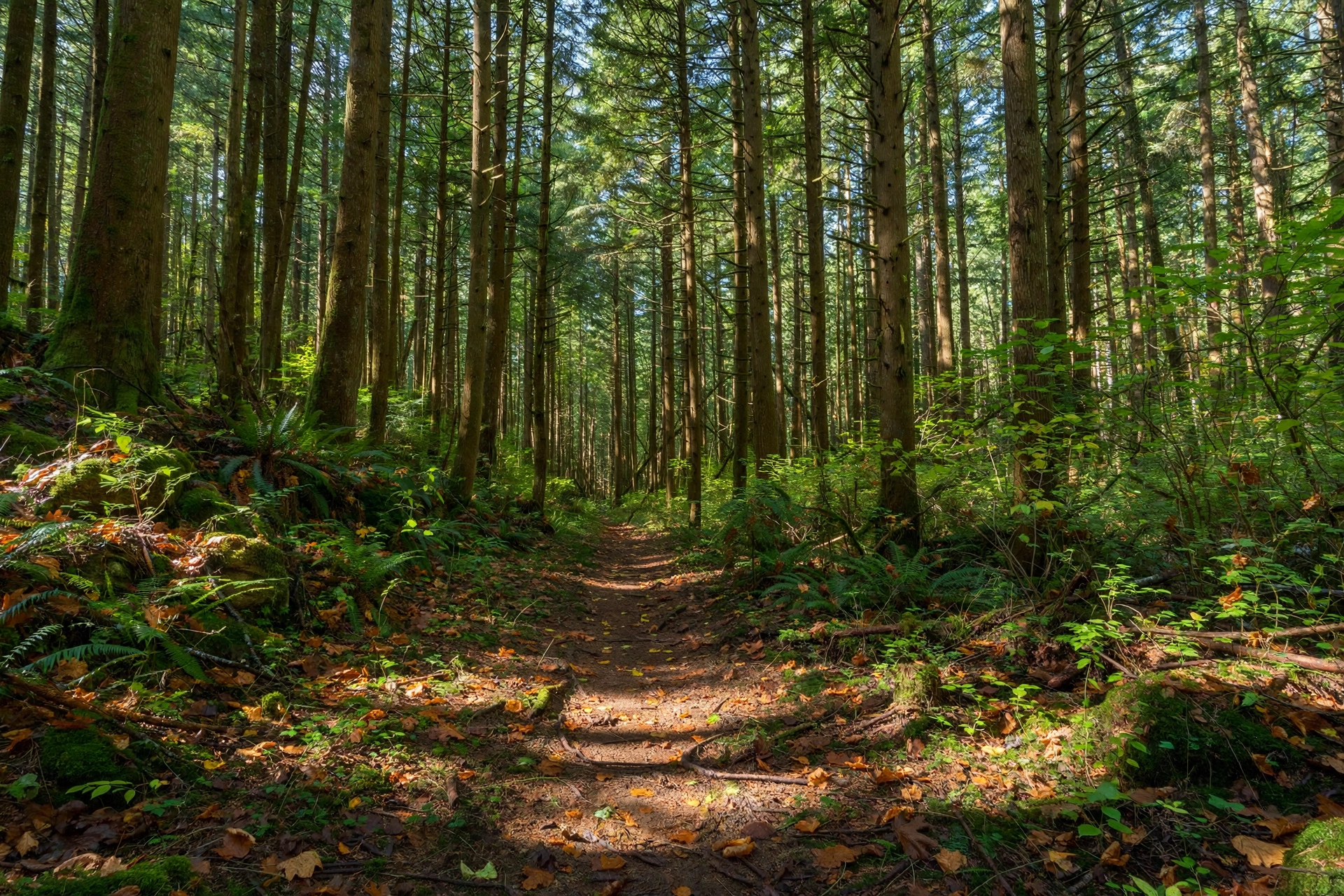
How to Read a Forest: Trees, Undergrowth, and Wildlife Signs
A forest is not just a collection of trees. It is a living story, written in bark, leaves, soil, and animal signs. Learning to read a forest means learning to notice what is growing, what has been eaten, what has passed through, and how the pieces fit together.
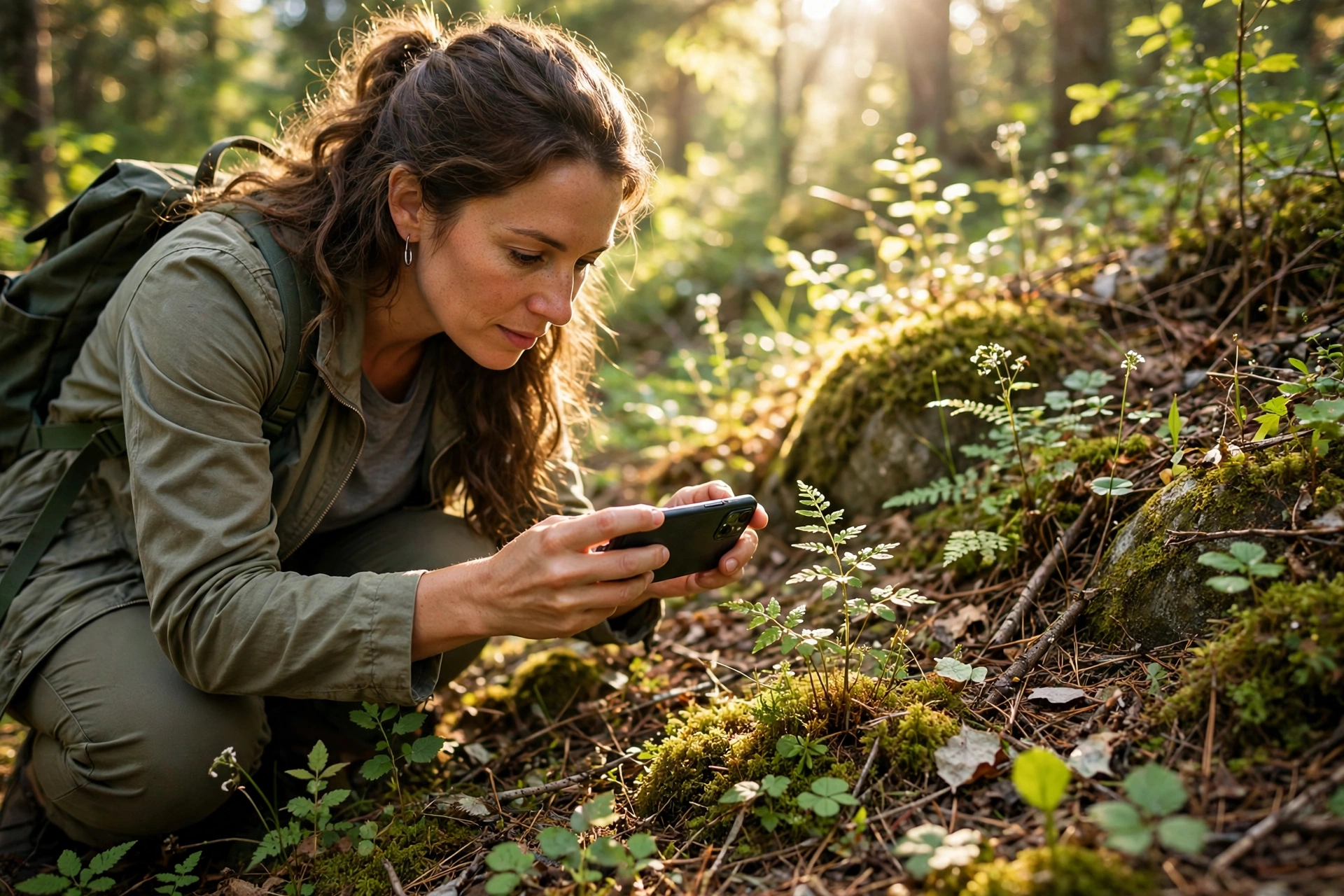
How to Photograph Nature for Accurate AI Identification
AI identification tools are only as good as the photo you give them. A sharp, well-lit photo of a whole plant, with leaves, flowers, and habitat visible, can lead to a confident identification. A blurry, dark, or heavily cropped photo of a single petal often cannot.
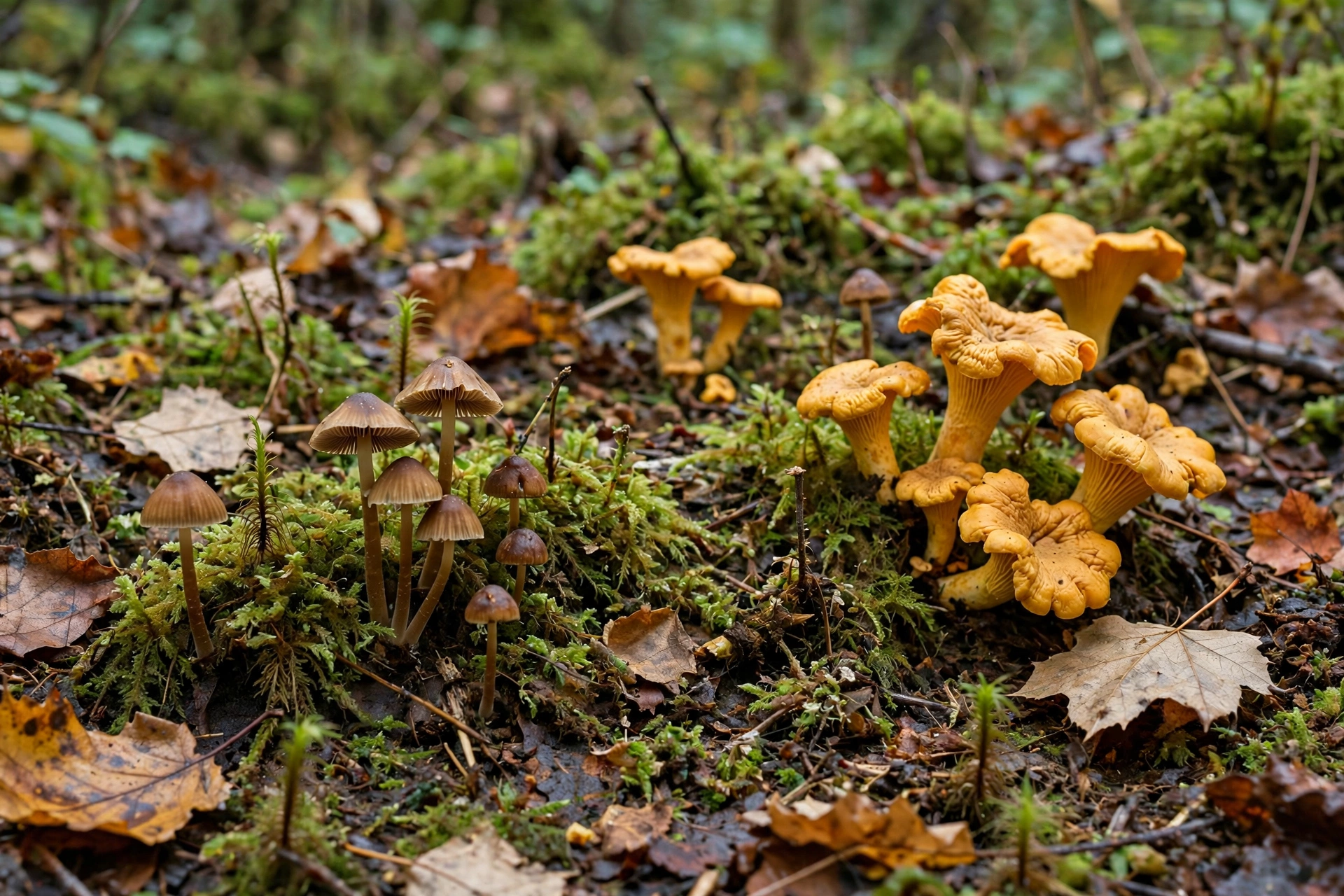
How to Identify Mushrooms in the Wild — and Why You Should Never Eat Them on AI Alone
Mushrooms are fascinating, beautiful, and sometimes dangerous. They appear overnight after rain, grow in woodlands, meadows, and gardens, and come in an astonishing range of shapes, colours, and sizes.
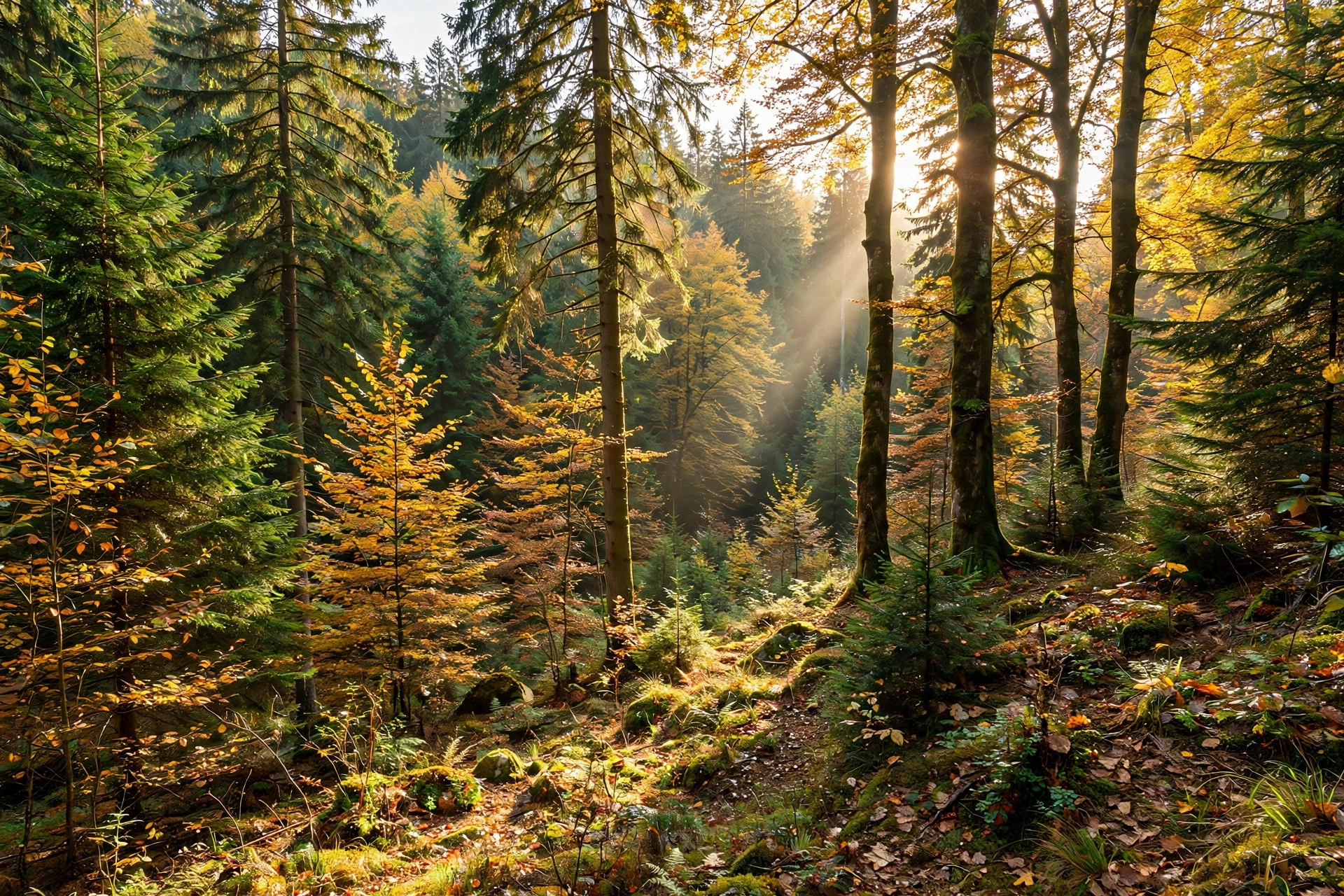
How to Identify Forest Types from a Photo: Deciduous, Evergreen, and Rainforest
A single forest photo can tell you a surprising amount about where you are, what season it is, and what kind of ecosystem surrounds you. The trick is knowing what to look for. Deciduous, evergreen, and rainforest types each have a distinct visual signature.