
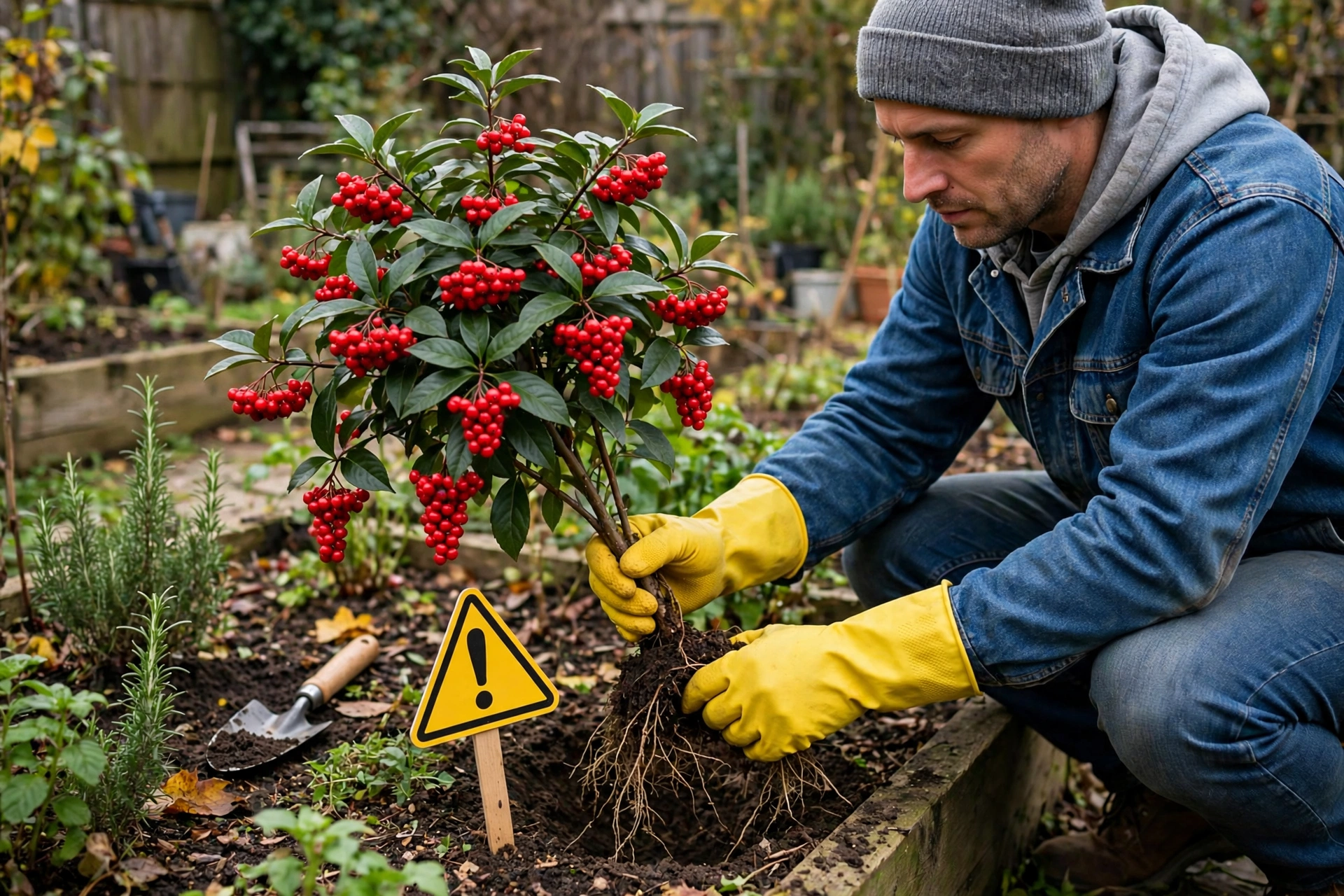
A garden should be a place to relax, grow food, and enjoy nature, not a source of worry. Yet many gardens contain plants that can irritate skin or cause illness if eaten. Some were planted deliberately for their flowers or foliage. Others arrived as weeds, seeds from nearby gardens, or plants left by previous owners. You may not know their names, but you can learn to check them safely and remove the risky ones without harming yourself or the rest of the garden.
Many gardens contain a poisonous plant or two, often planted long before the current owner arrived. A beautiful shrub by the front door, a bulb bed that children love to dig in, or a climber over a play area may all be plants that are toxic if eaten. Finding one is not a reason to panic — it is a reason to identify it properly, decide whether it needs to go, and remove it safely if it does.
Try it: Try the free Plant Identifier on aitreeidentier.site — identify any suspicious garden plant before you touch it, so you can check whether it is poisonous and how to handle it.
Which Garden Plants Need a Closer Look?
Pay special attention to plants with berries, bright seeds, milky sap, thorns, or strong smells, and to any plant a child or pet is drawn to. Bulbs, seeds, and berries are often the most concentrated parts. Plants near play areas, vegetable beds, paths, and pet runs deserve priority. New plants, volunteers that appear without planting, and plants with no label are also worth checking.
Remember that toxicity varies. Some plants cause only mild stomach upset or skin irritation. Others are more serious if eaten in quantity. A plant's risk also depends on who is exposed and how much is eaten. That is why a reliable identification matters: once you know the name, you can ask a local expert about its specific risks and the best way to manage it.
How to Identify a Suspicious Garden Plant
Do not pull a plant out before you know what it is. A rushed removal can spread seeds, expose you to sap, or remove a harmless plant by mistake.
Step 1: Mark the spot and keep people and pets away. Place a temporary marker or barrier around the plant so children and pets do not touch it while you check.
Step 2: Photograph it in detail. Take a wide photo of the whole plant, a close-up of leaves, flowers, berries, or seeds, and a photo of the stem and base. Photograph in daylight and include something for scale.
Step 3: Get a first identification clue. Use the Plant Identifier on aitreeidentier.site to see suggested matches. Note the top suggestions and any lookalikes, and compare them with a trusted garden book or local nursery advice.
Step 4: Confirm with a local expert. Share your photos with a nursery, garden centre, or local extension service. Ask whether the plant is toxic, which parts are a concern, and whether removal is recommended in your situation.
Step 5: Plan removal or management. If removal is advised, choose a dry, calm day, wear protective clothing, and plan where the plant material will go before you start. If the plant can stay, decide how to keep it out of reach, for example with fencing, pruning, or moving it to a less accessible bed.
How to Remove a Poisonous Plant Safely
Preparation makes removal safer and cleaner. Wear long sleeves, long trousers, closed shoes, gloves, and eye protection. If the plant has milky sap, dust, or fine hairs, consider a mask as well. Keep children and pets indoors or in another part of the garden.
Loosen the soil around the plant with a fork or spade so you can lift the roots rather than snapping the stem. Pull steadily from the base, trying to remove the whole root system so it does not regrow. Place all plant material directly into a sturdy bag or bin as you work. Do not leave cuttings on the ground where a pet or child might find them.
Wash your hands, gloves, and tools with soap and water afterwards, and wash any clothing that came into contact with sap. Shower and change clothes if sap touched your skin, and rinse skin with water if irritation appears. If you feel unwell or develop a rash, seek medical advice and tell the clinician which plant you handled.
Common Mistakes to Avoid
Pulling plants bare-handed. Sap, thorns, and fine hairs can irritate skin even if the plant is not highly toxic. Always wear gloves and wash up afterwards.
Leaving roots or seeds behind. Many toxic plants regrow from a small root piece or self-seed quickly. Remove the whole plant and clear fallen seeds and berries.
Composting toxic material. Home compost is not a safe disposal route for poisonous plants. Use household waste or your local approved disposal method.
Removing a plant on a windy day. Wind can blow sap, dust, or seeds onto skin, eyes, or nearby beds. Choose a calm day and work slowly.
Planning a Safer Garden Layout
Once you know which plants in your garden are poisonous, a little planning makes the garden safer without stripping it bare. Keep poisonous shrubs and bulbs away from play areas, vegetable beds, and paths where children walk, and put them at the back of a border where they are less likely to be reached or brushed against. A low fence or a dense planting of safe shrubs in front of a poisonous plant can be an effective, attractive barrier.
Think about what falls from the plant as well as the plant itself. Berries, seeds, and fallen leaves from a poisonous shrub can land in a play area or a vegetable bed even when the plant is out of reach. Regular clearing under poisonous plants, and choosing safer plants for the beds nearest the house, reduces that risk. When you buy new plants, check the species name before you plant it near a play area — a quick check at the nursery is far easier than removing an established shrub later.
Removing Plants Without Spreading Seeds or Sap
Removing a poisonous plant carelessly can spread the very problem you are trying to solve. Seeds can scatter, berries can drop, and sap can splash onto skin or onto other plants. Before you start, check whether the plant is in seed or berry, and if it is, work gently and bag the seed heads or berries first. Wear gloves, long sleeves, eye protection, and closed shoes, and keep children and pets indoors while you work.
Dig the plant out with as much of the root as you can, rather than cutting it at ground level and leaving a stump that can regrow. Bag the whole plant, including roots and fallen material, and dispose of it through the waste route your local service recommends — do not compost it at home. Wash your tools, gloves, and hands afterwards, and check the spot over the following weeks for seedlings, which are easy to pull while they are small.
FAQ
How do I know if a garden plant is poisonous? Start with clear photos and an identification tool for a first clue, then confirm the plant's name and toxicity with a local nursery, garden centre, or extension service.
Can I keep a poisonous plant if I like it? Sometimes, yes, if it is out of reach of children and pets, clearly separated from food plants, and you handle it with gloves. Ask a local expert whether that is safe in your garden layout.
What should I do if my pet eats a garden plant? Remove remaining plant material from the mouth, save a photo or sample, note the time, and call your veterinarian or local poison control service promptly. Do not wait for symptoms.
Should I remove every poisonous plant from my garden? Not necessarily. Many gardeners keep poisonous plants that are out of reach, clearly separated from play areas, and not dropping berries where children play. The decision depends on who uses the garden, where the plant grows, and how easily it can be reached. If you are unsure, remove it.
Conclusion
A safe garden is not a plant-free garden. It is a garden where you know what is growing, where risky plants are out of reach or removed carefully, and where everyone knows not to eat unknown leaves or berries. Take clear photos, get a first identification clue, confirm it locally, and remove plants with gloves and proper disposal. With those habits, you can enjoy your garden with confidence.
Safety Disclaimer: Never eat or use a plant, mushroom, or fruit based on AI identification alone. AI results can be wrong. Always consult a local expert before handling, removing, or deciding a plant is safe. This article is general information only and is not medical or veterinary advice.