
Blog
Identification guides, nature articles and safety advice.
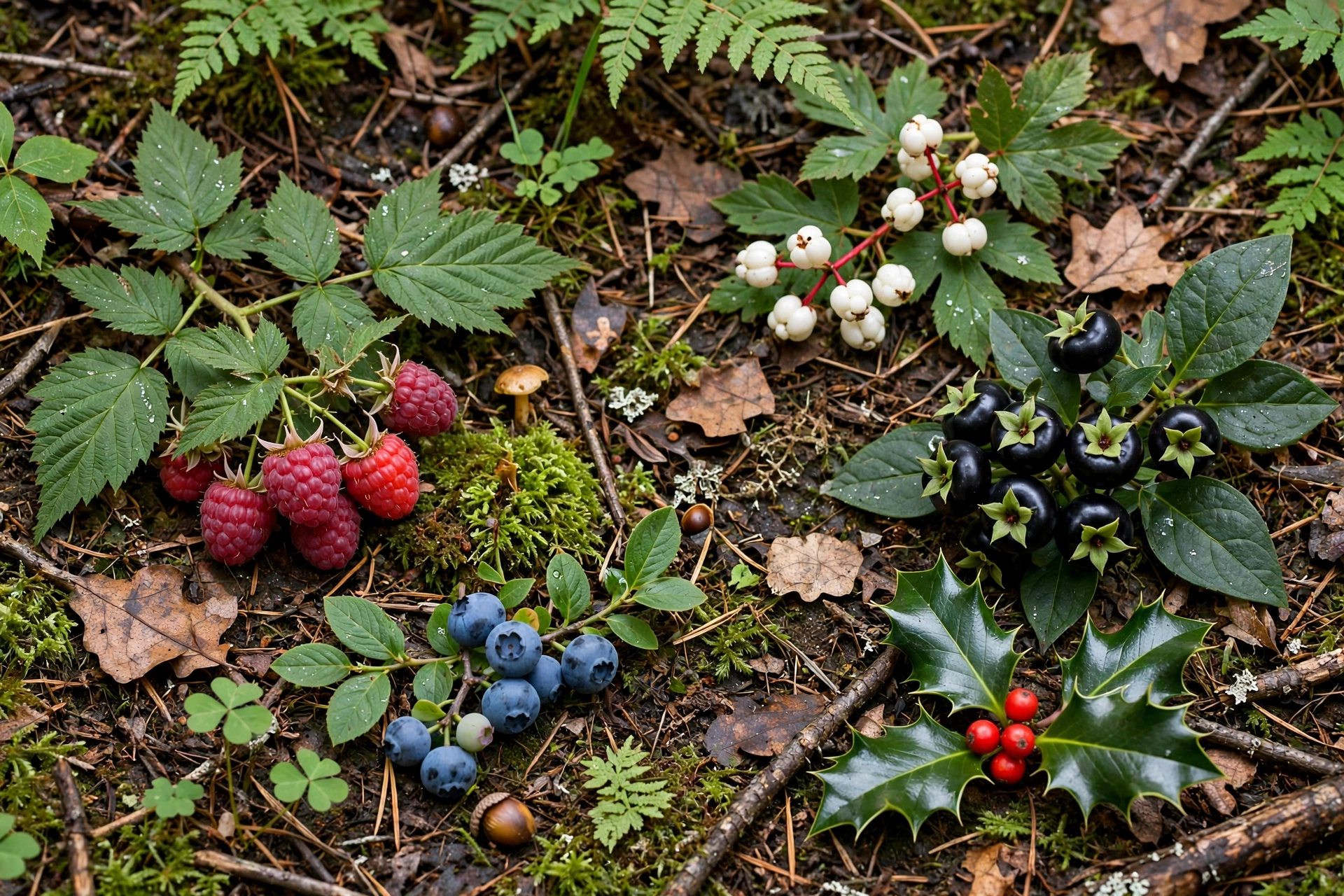
Edible vs Toxic Wild Plants: How to Tell Them Apart Safely
Wild plants can look very similar, even when one is edible and the other is toxic. A leaf shape, a berry colour, or a flower that looks familiar can be misleading. That is why telling edible and toxic plants apart is not a matter of a single clue, a photo, or a memory of a similar plant.
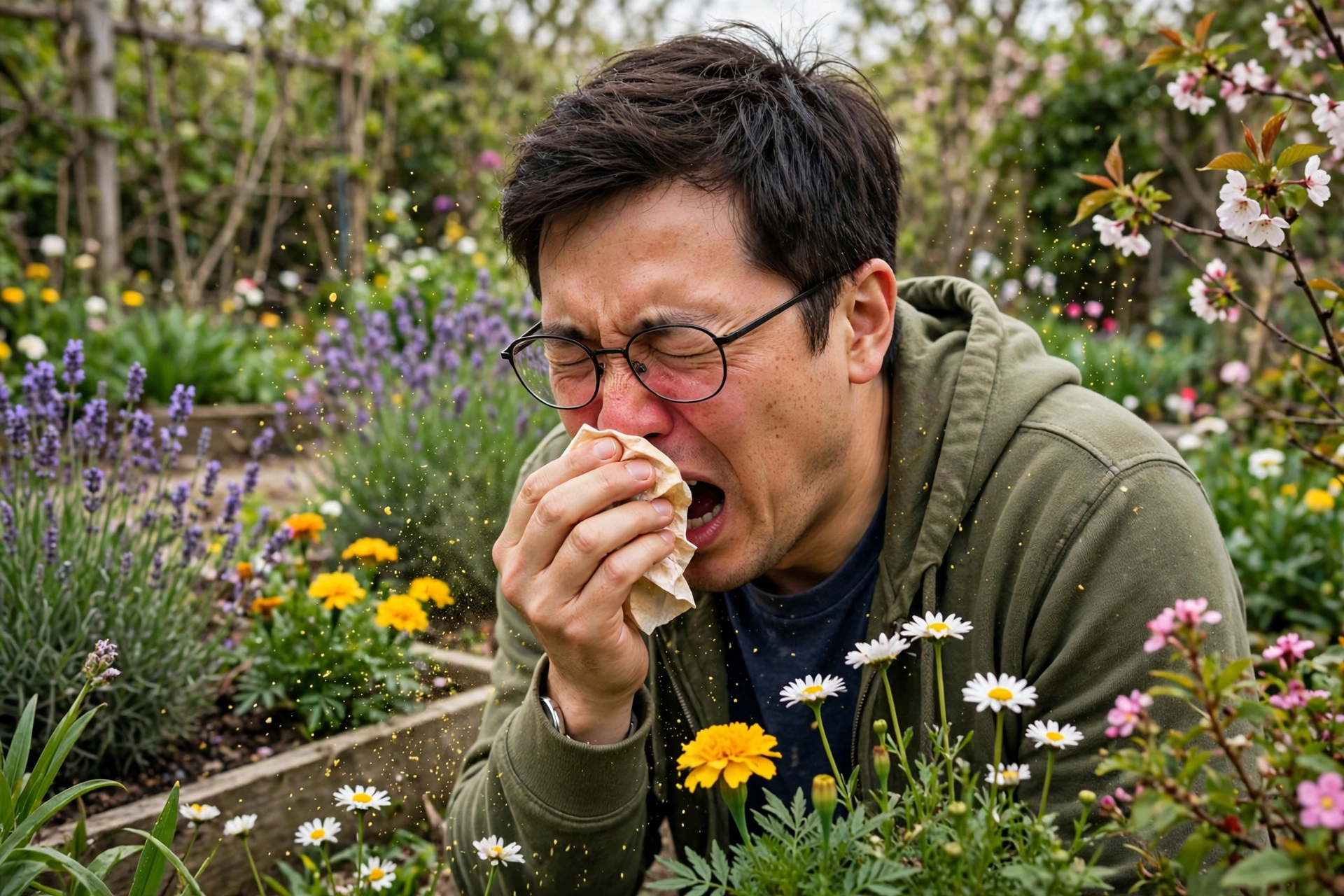
Allergies and Plants: Pollen, Sap, and Skin Reactions to Watch For
Plants bring colour, shade, and food to our lives, but for some people they also bring sneezing, itchy eyes, or an irritated rash. Pollen in the air, sap on the skin, and tiny hairs on leaves can all trigger reactions.
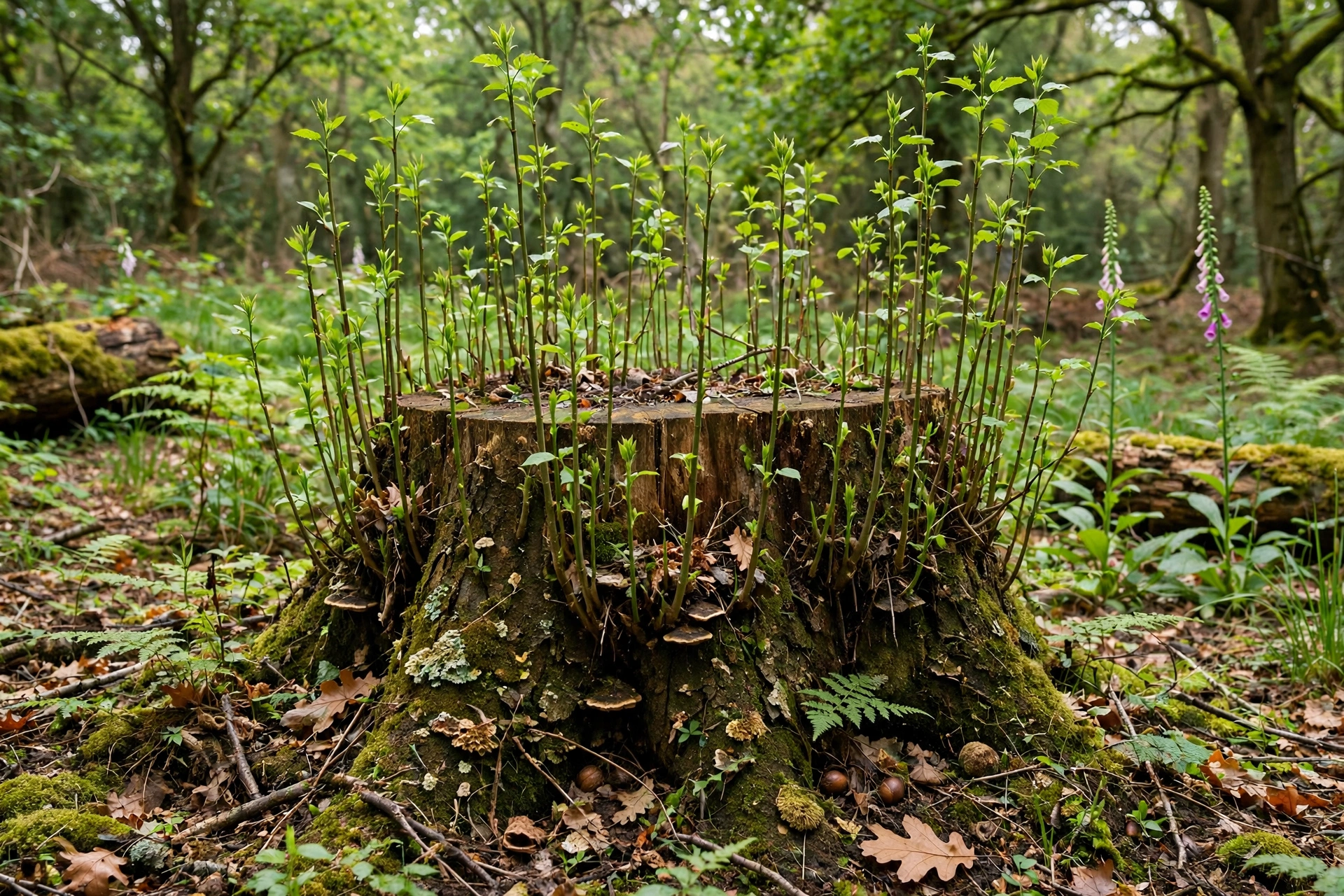
Coppicing and Pollarding: Traditional Tree Management Explained
For centuries, people managed trees not by letting them grow tall and untouched, but by cutting them back regularly and harvesting the regrowth. Two of the oldest methods, coppicing and pollarding, are still used today in woodlands, gardens, parks, and along streets.
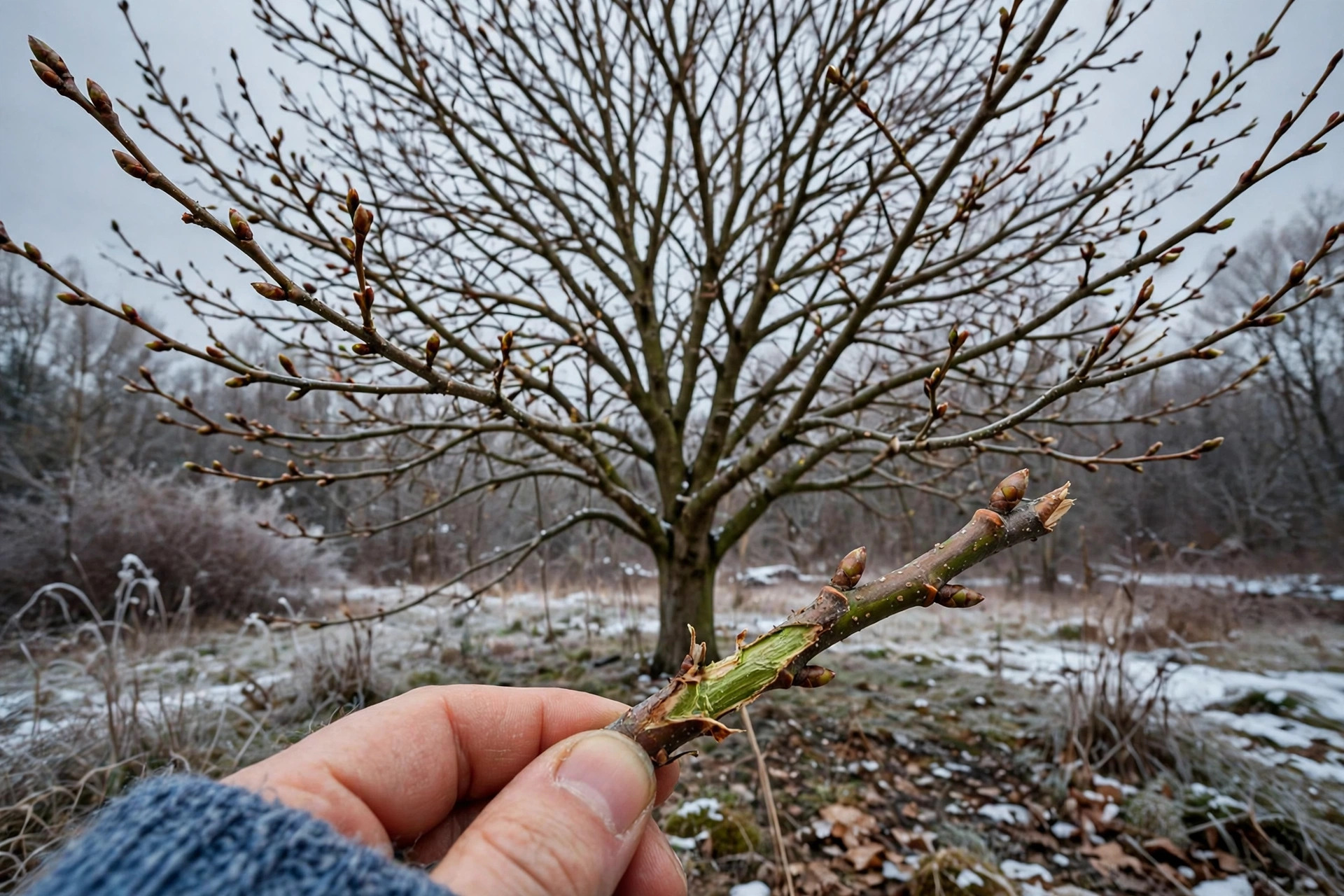
How to Tell If a Tree Is Dead or Just Dormant
A bare tree in late winter can look alarming, especially if your neighbours' trees are already in leaf. Before you reach for the chainsaw, stop: many healthy trees are simply dormant, waiting for the right temperature and day length to wake up.
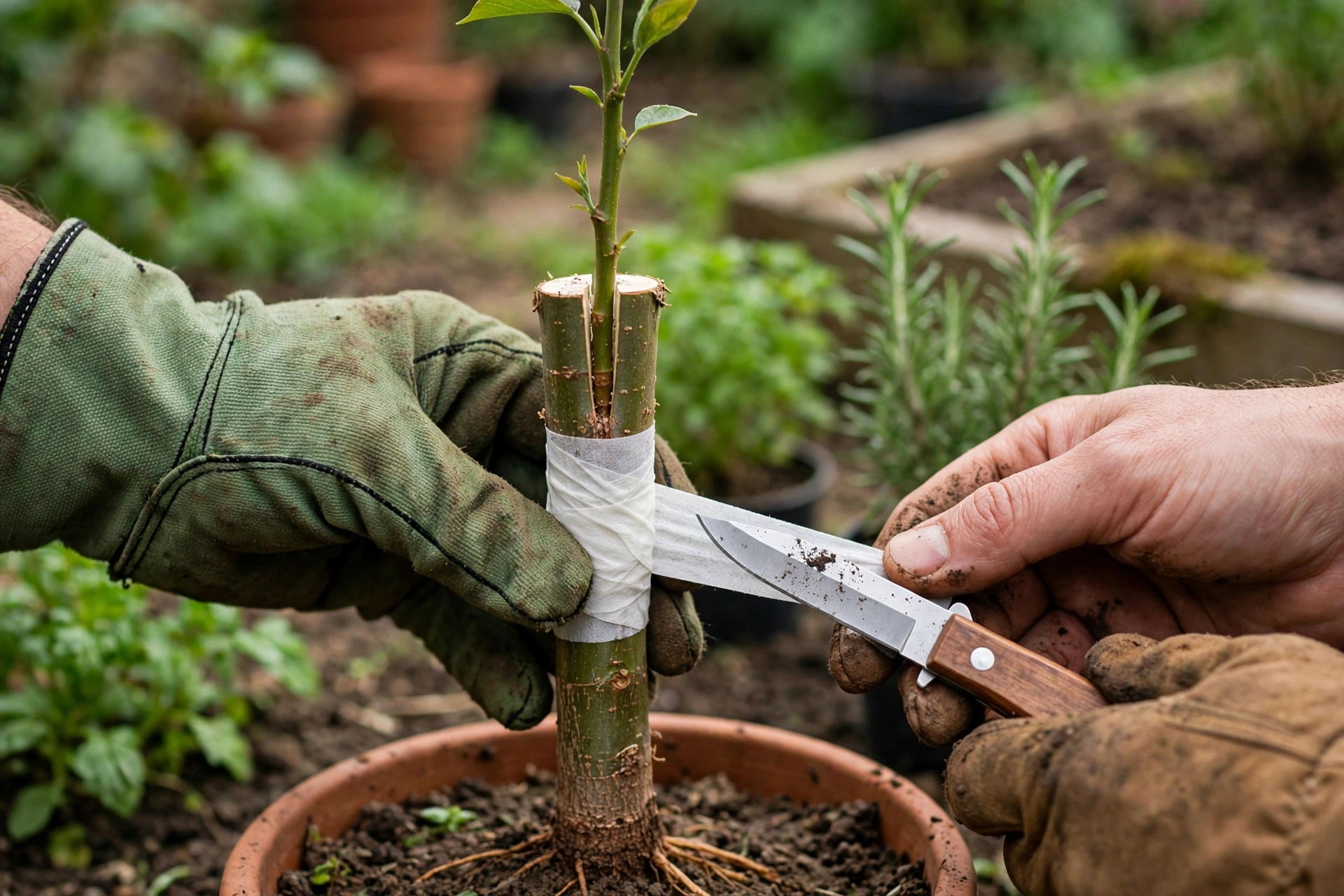
Tree Grafting for Beginners: Methods, Timing, and Aftercare
Grafting is the art of joining two trees so they grow as one. You take a small piece of one tree, called the scion, and attach it to the roots or trunk of another, called the rootstock. If the join heals, the scion grows using the rootstock's roots.
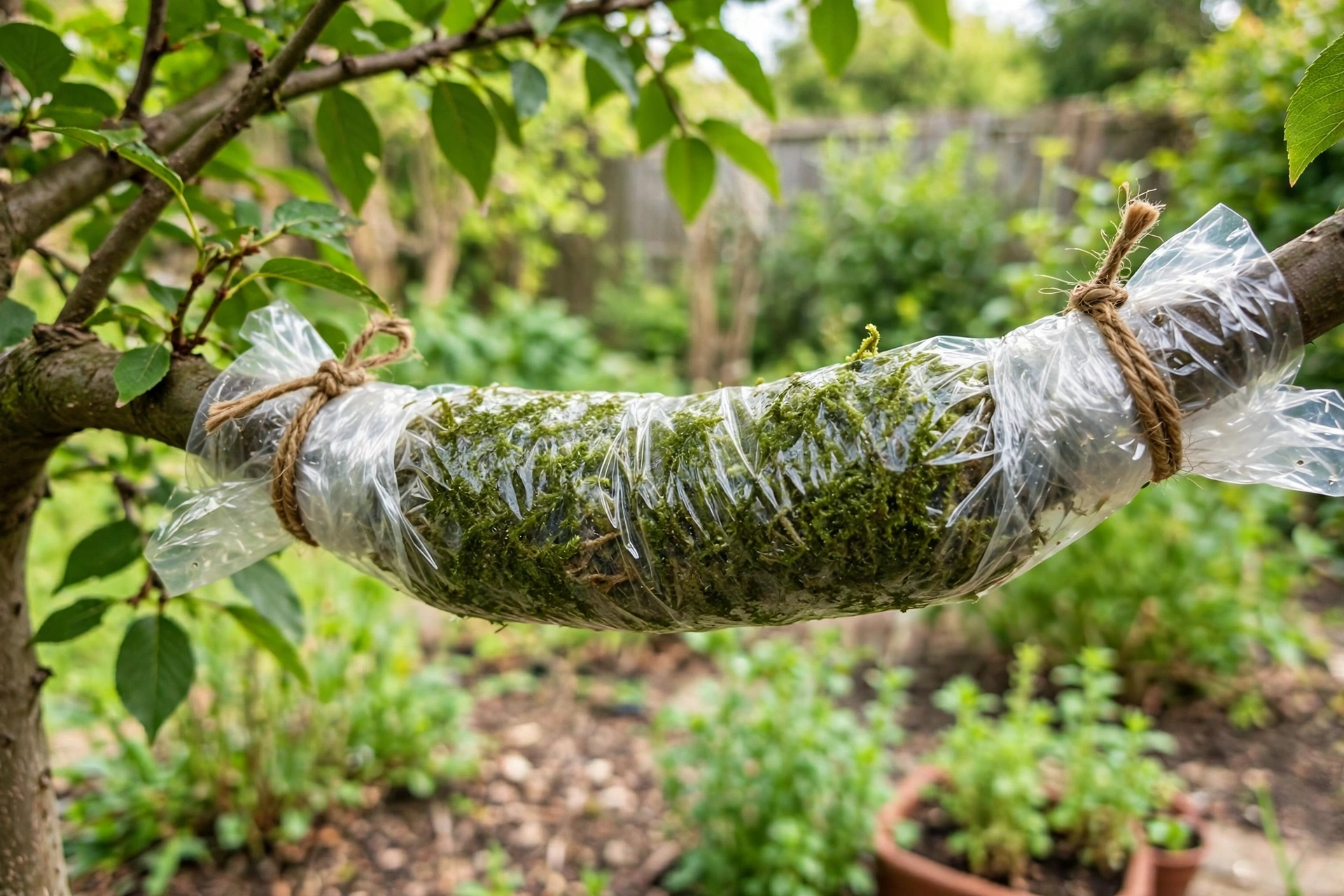
How to Air Layer a Tree: Step-by-Step Propagation Guide
Air layering is a reliable way to grow a new tree from one you already love. You encourage roots to form on a branch while it is still attached to the parent tree, so it keeps receiving water and nutrients and success rates are high.
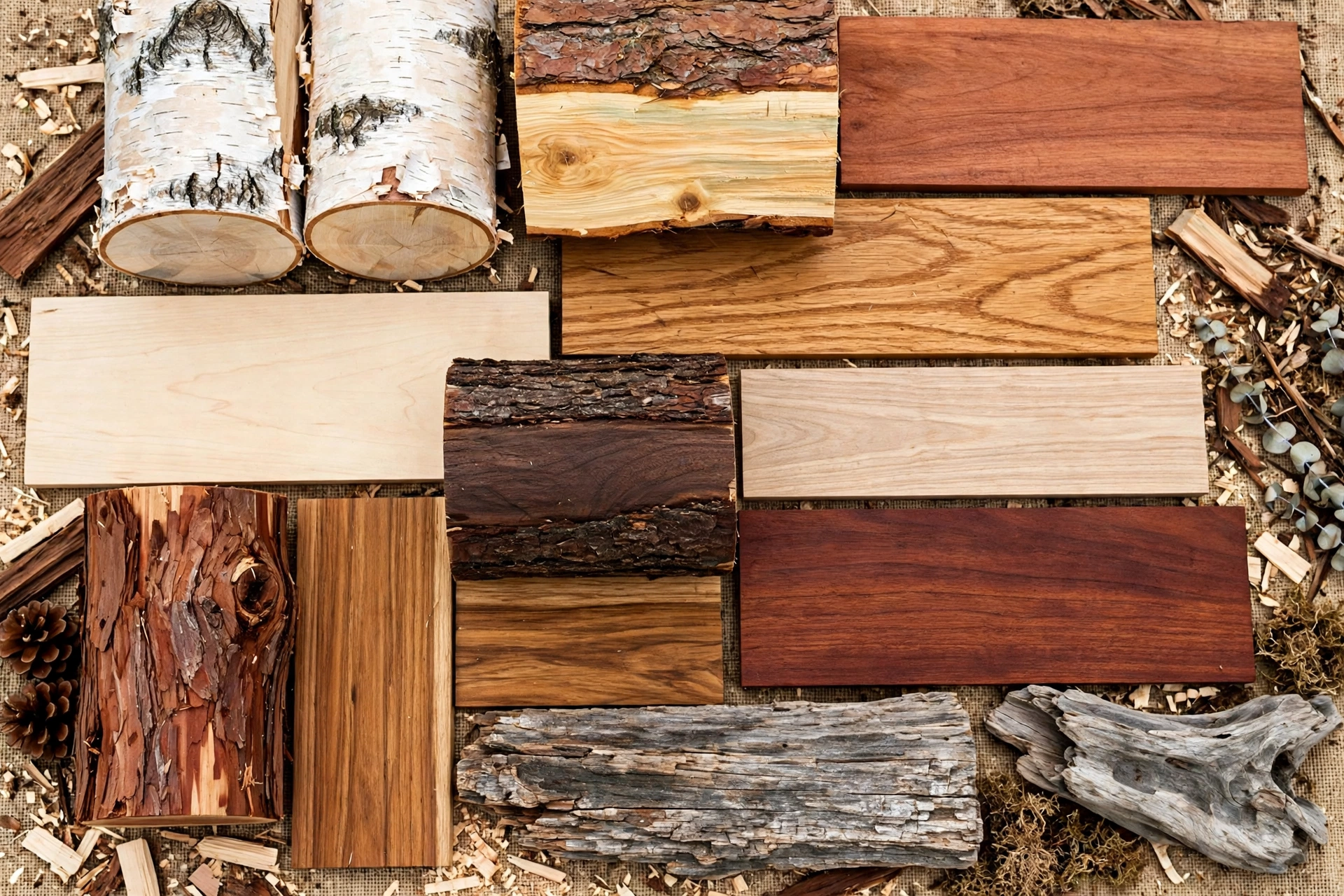
Understanding Wood Types: How to Identify Timber from Logs and Planks
A pile of logs, a reclaimed plank, or a piece of furniture can all prompt the same question: what wood is this? Knowing the answer matters. Different woods have different strengths, weights, durability, and workability.
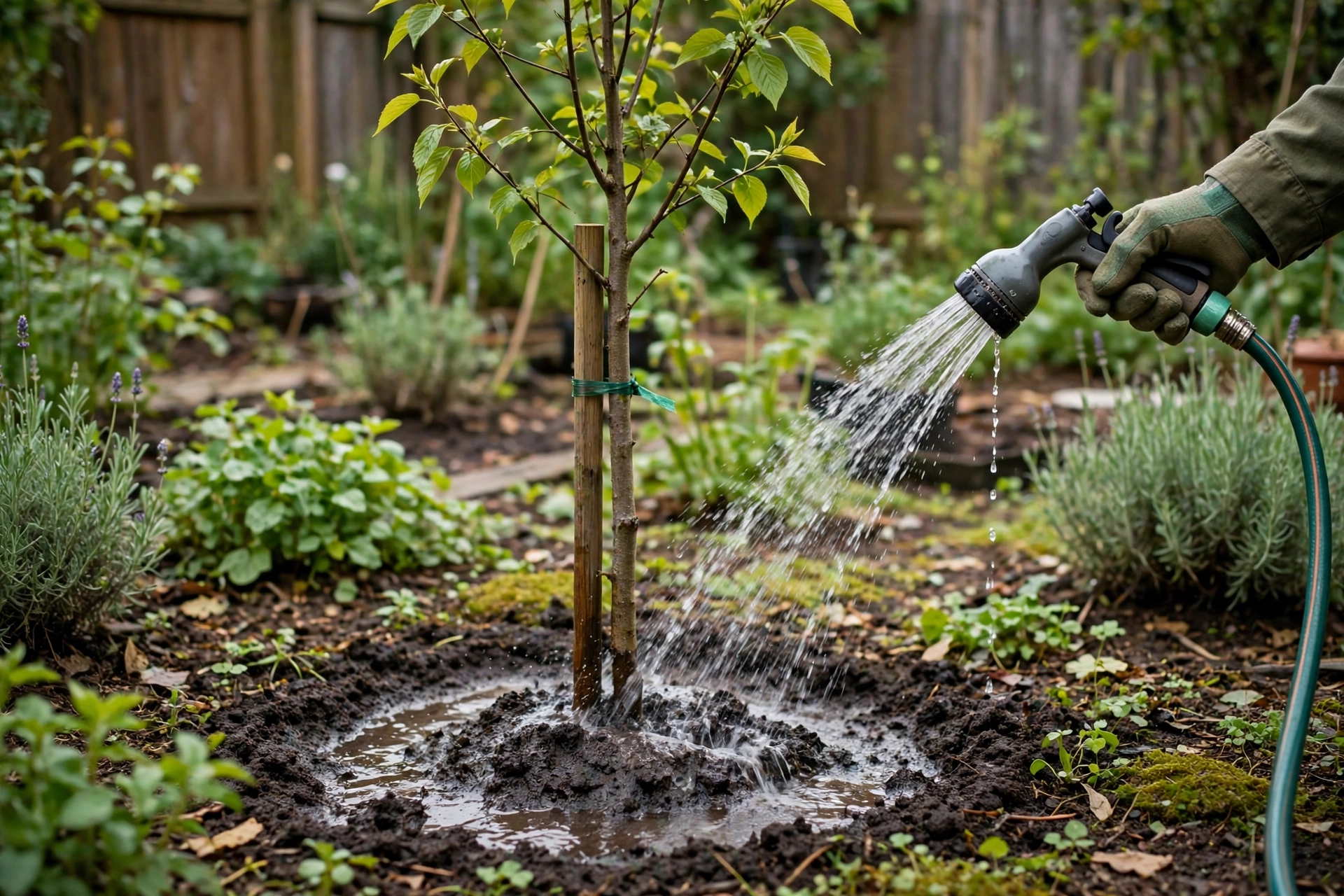
Tree Watering Guide: How Much and How Often for Young and Mature Trees
Water is the single most important factor for a young tree, and the most common reason new trees die is not disease or pests, but drought. At the same time, overwatering can be just as damaging, drowning roots and inviting rot.
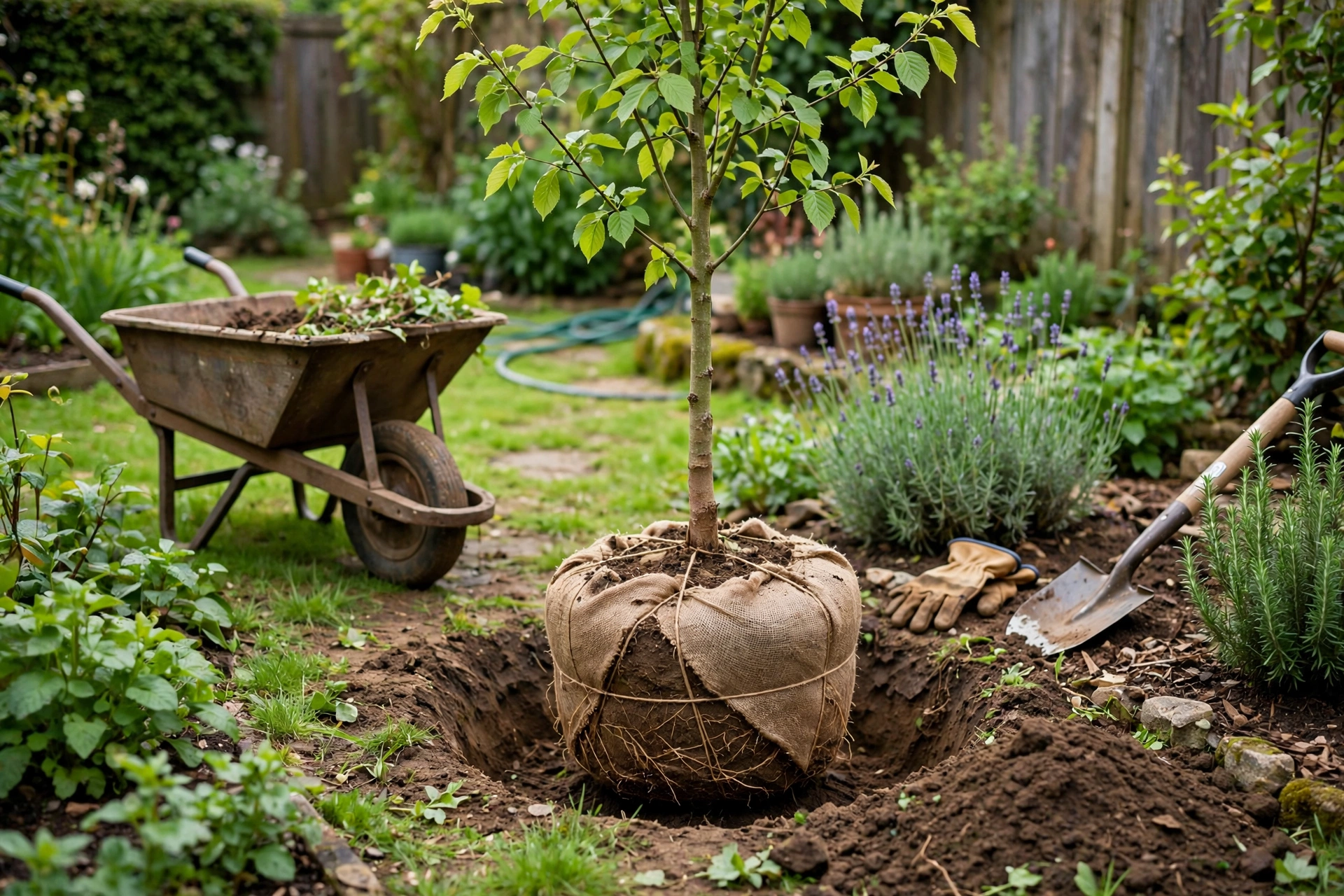
Transplanting Trees: When and How to Move a Tree Safely
Sometimes a tree ends up in the wrong place. It may have been planted too close to a house, it may be in the way of a building project, or it may simply have outgrown a small garden. Moving it — transplanting — is possible, but it is one of the most stressful things you can do to a tree.