
Blog
Identification guides, nature articles and safety advice.
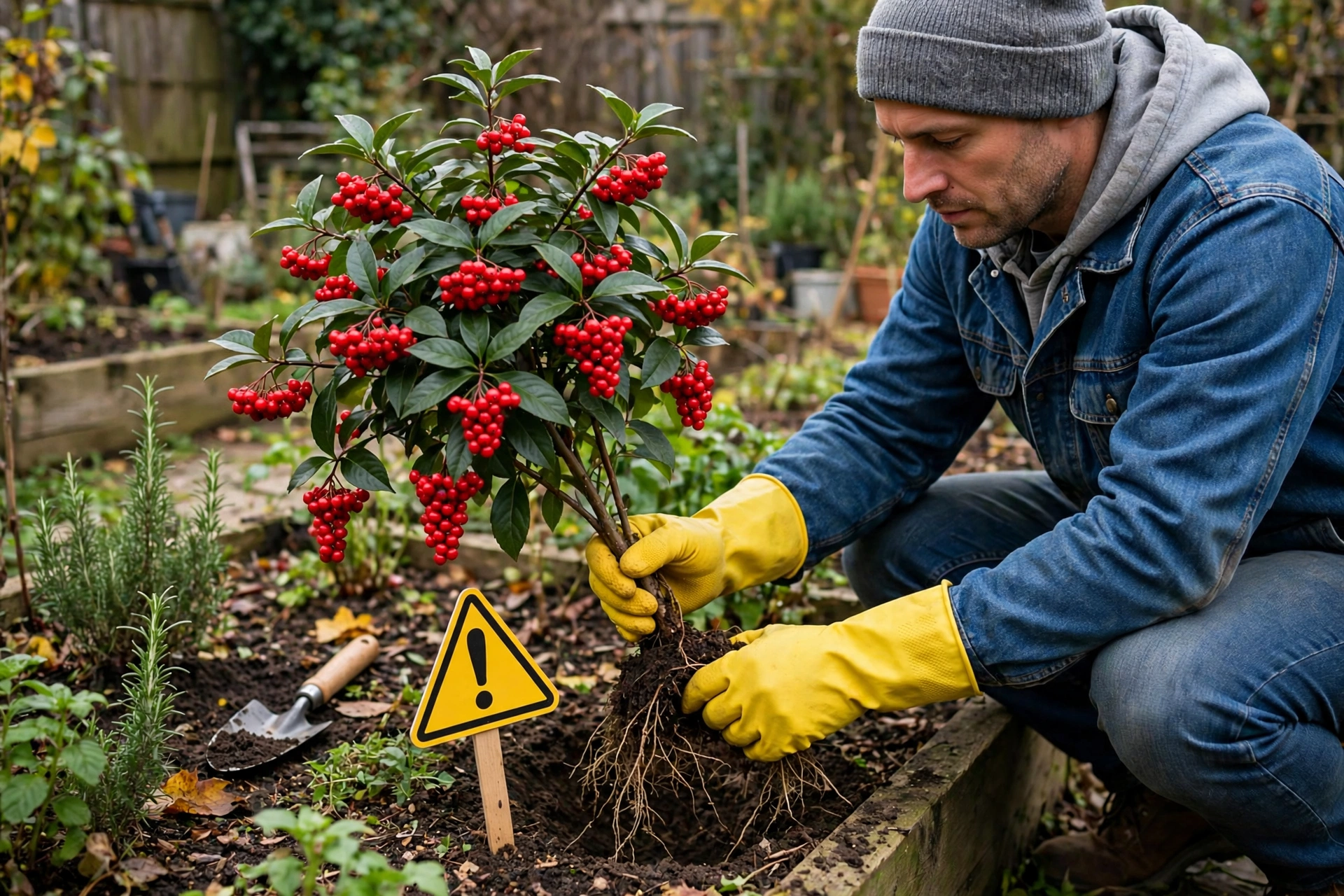
Poisonous Plants in the Garden: Identification and Safe Removal
A garden should be a place to relax, grow food, and enjoy nature, not a source of worry. Yet many gardens contain plants that can irritate skin or cause illness if eaten. Some were planted deliberately for their flowers or foliage. Others arrived as weeds, seeds from nearby gardens, or plants left by previous owners.
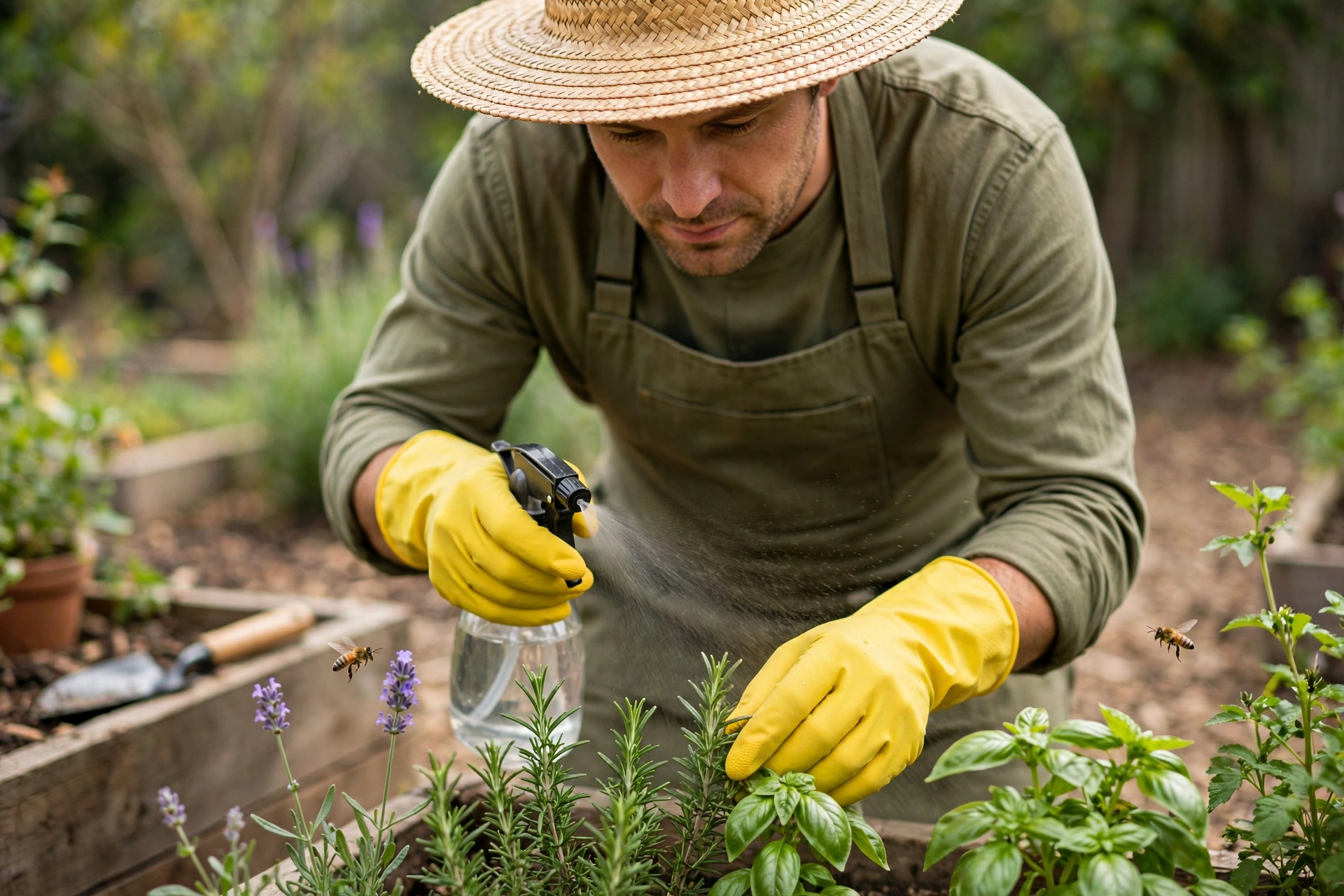
Pesticides and Plant Care: Safe Use Around Children, Pets, and Pollinators
Pests and diseases are part of gardening, and it is understandable to want a quick fix. Yet sprays and treatments can affect more than the pest you see. They can harm children who touch treated leaves, pets who chew plants or walk on sprayed soil, and pollinators such as bees and butterflies that visit flowers.
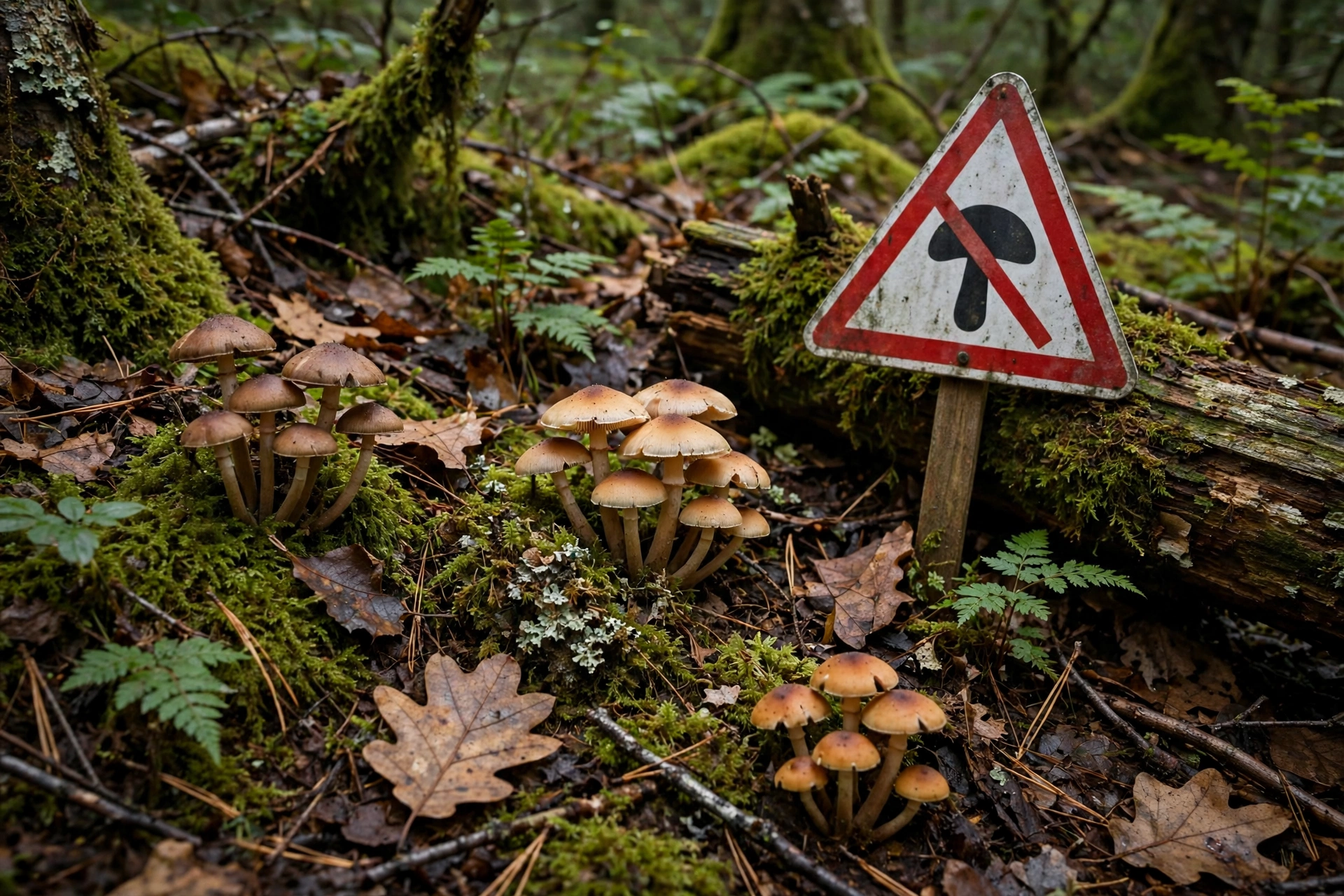
Mushroom Safety: Why You Should Never Eat a Mushroom Identified by AI Alone
Mushrooms are fascinating, beautiful, and sometimes dangerous. A single walk in a park or woodland can reveal dozens of species, from tiny white buttons to large, colourful caps. It is natural to be curious, and photo identification tools make it easy to get a suggested name in seconds.
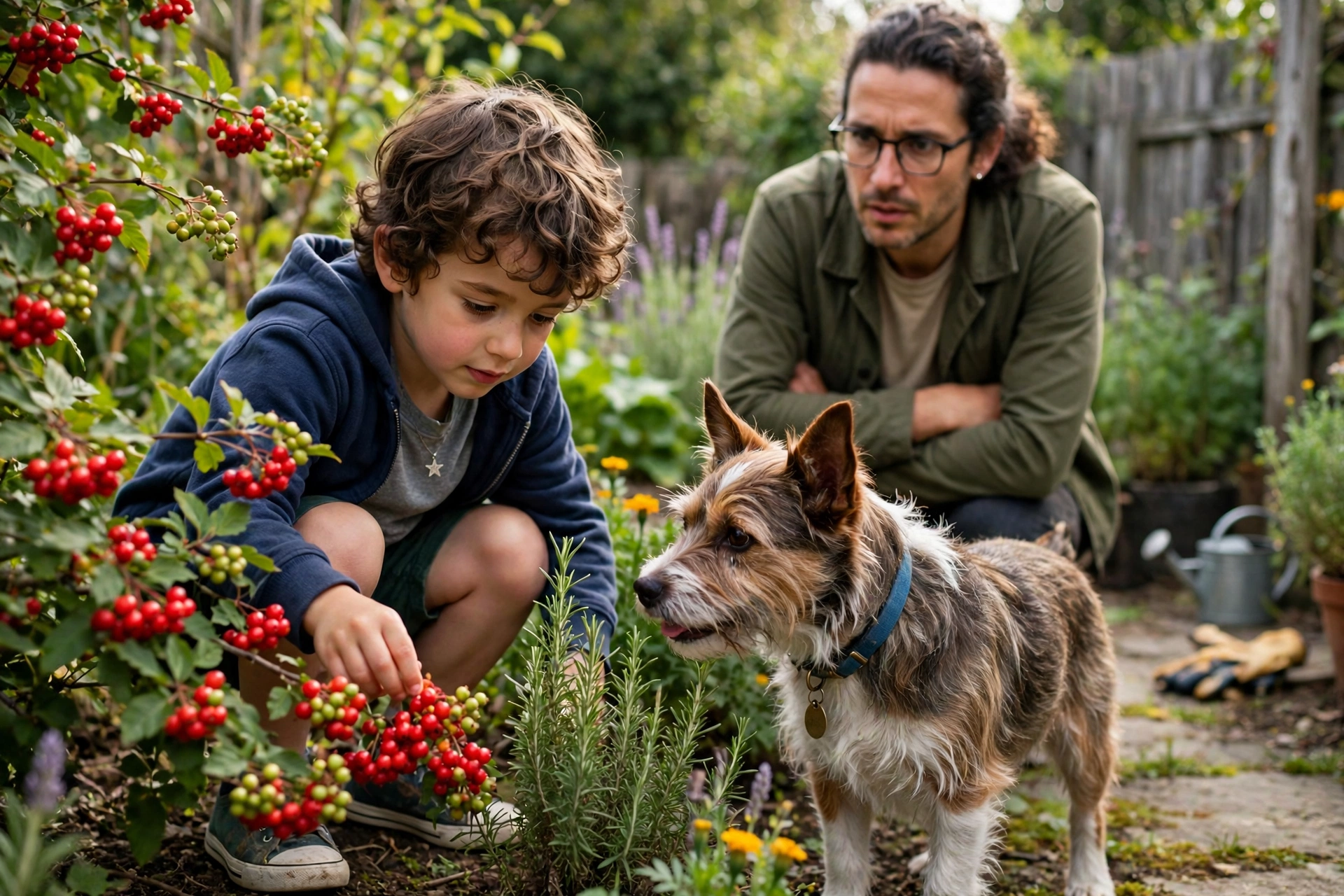
Is This Plant Safe? How to Identify Toxic Plants Around Children and Pets
A bright berry, a pretty leaf, or a new plant in the garden can catch a child's eye in seconds. Pets are just as curious, and they often explore the world by chewing, licking, and digging. Most plants are harmless, but a small number can irritate skin, upset the stomach, or cause more serious problems if eaten.
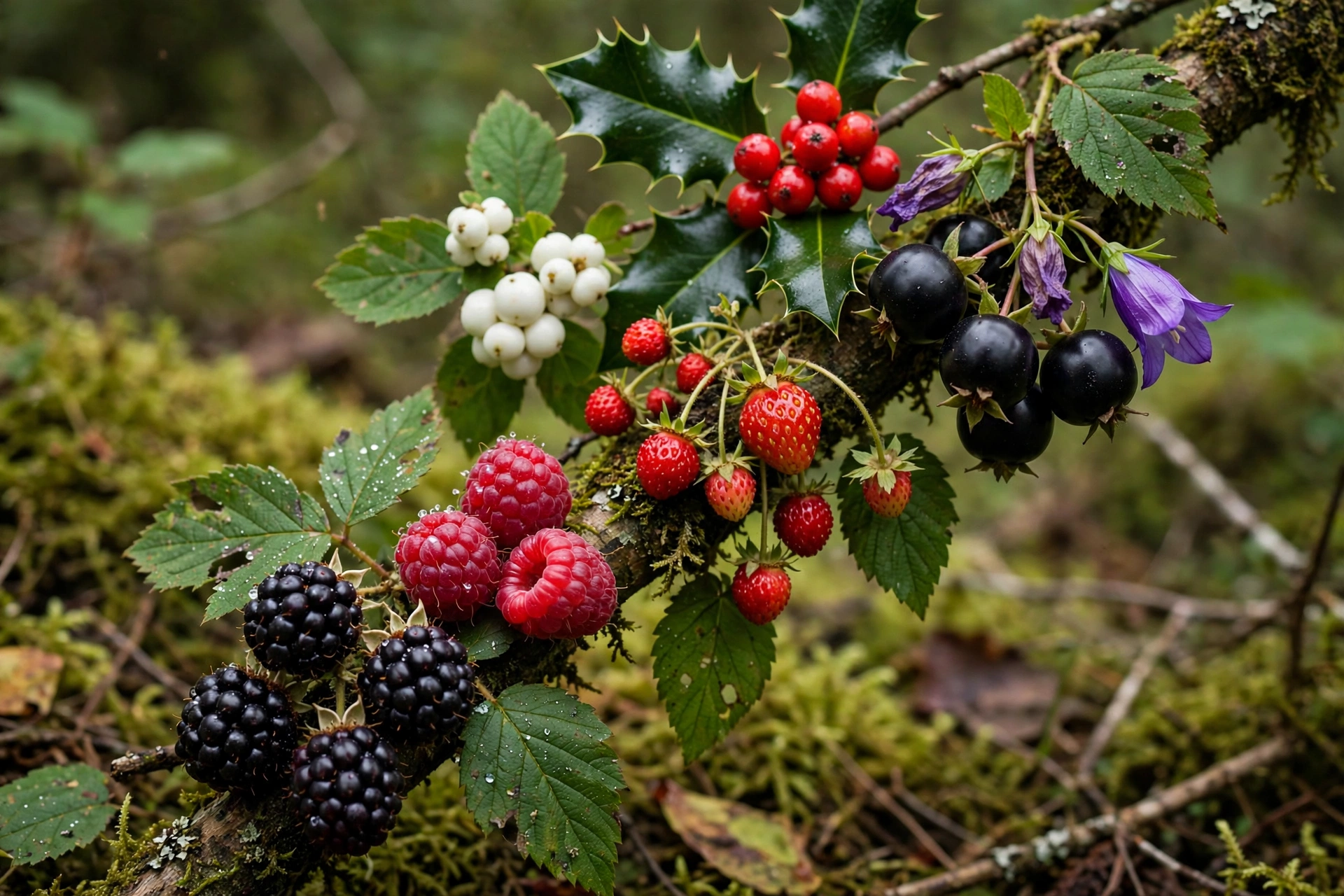
Is That Fruit Safe to Eat? How to Identify Edible and Inedible Fruits
A tree or shrub covered in fruit can be tempting. The fruit may look like a familiar apple, plum, berry, or grape, and it may smell sweet. Yet many inedible and toxic fruits look like edible ones, and some edible fruits have toxic seeds, leaves, or unripe stages.
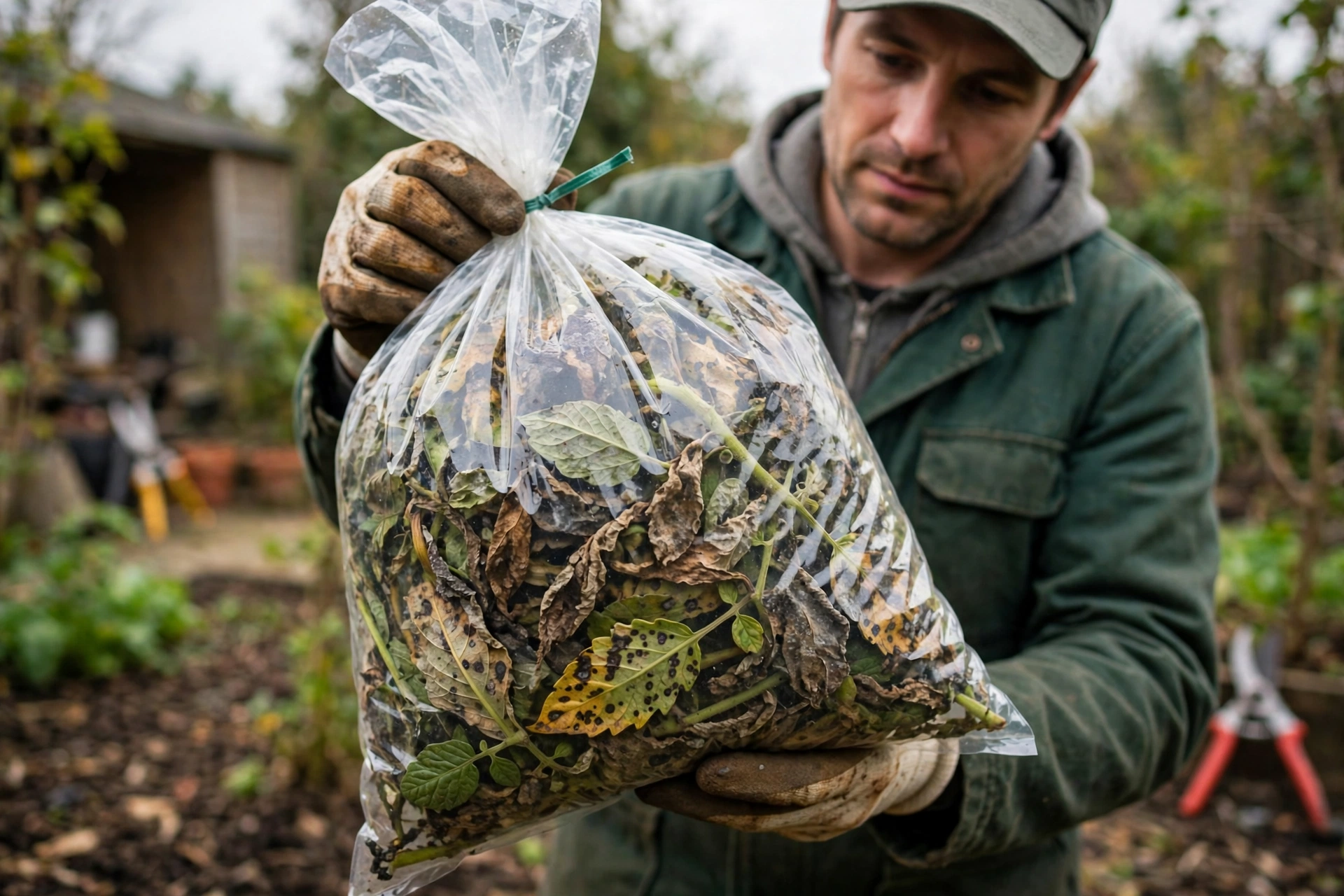
How to Store and Dispose of Diseased Plant Material Safely
When a plant is diseased, what you do with the leaves, stems, and prunings matters as much as how you treat the plant. Diseased material left on the ground, in a compost heap, or in an open bin can spread spores, bacteria, or pests to healthy plants.
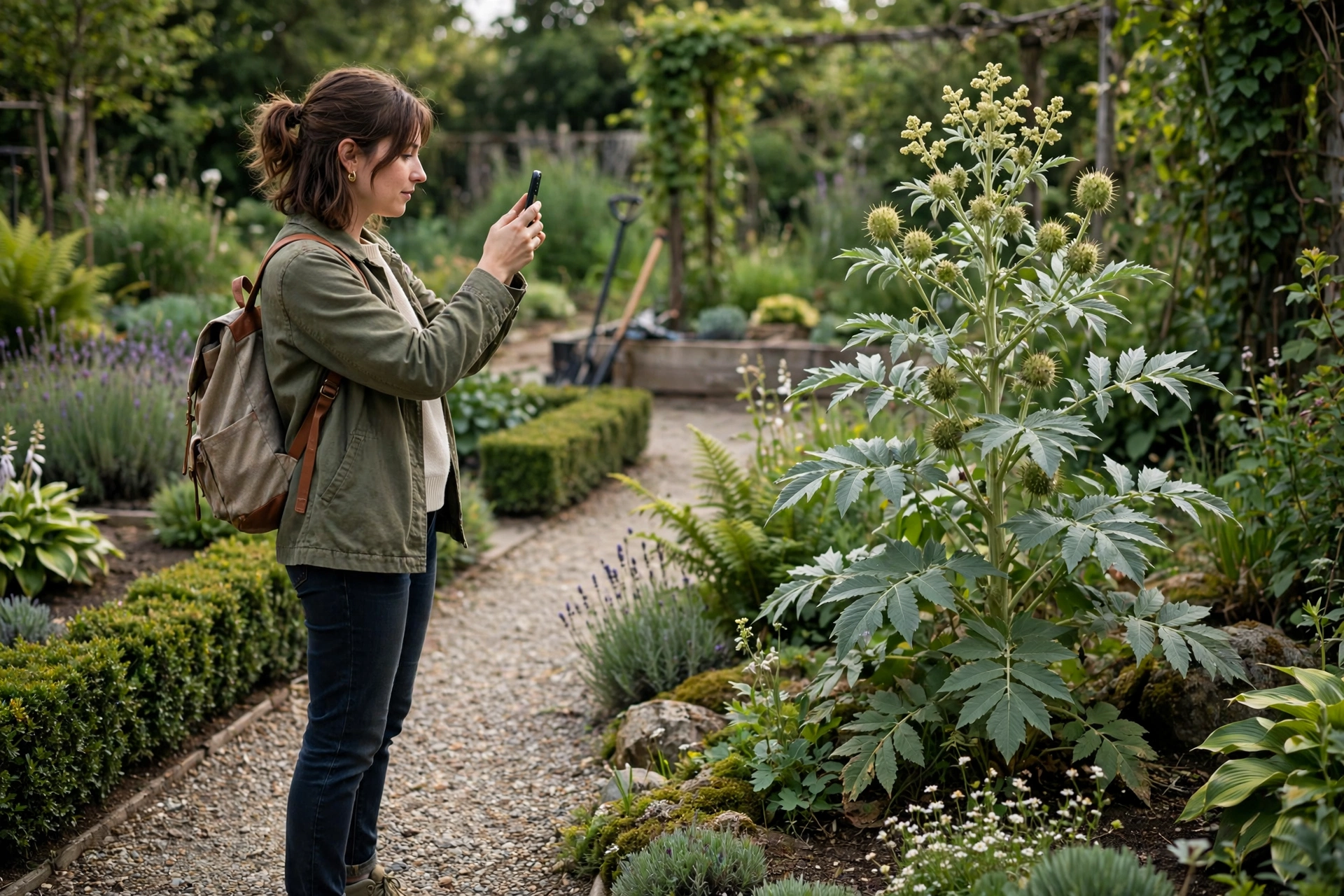
How to Safely Identify Unknown Plants Before Touching or Tasting Them
You find a plant you do not recognise. It might be in your garden, on a walk, in a new house, or in a pot with no label. Curiosity is natural, but the safest way to satisfy it is to look first and touch later.
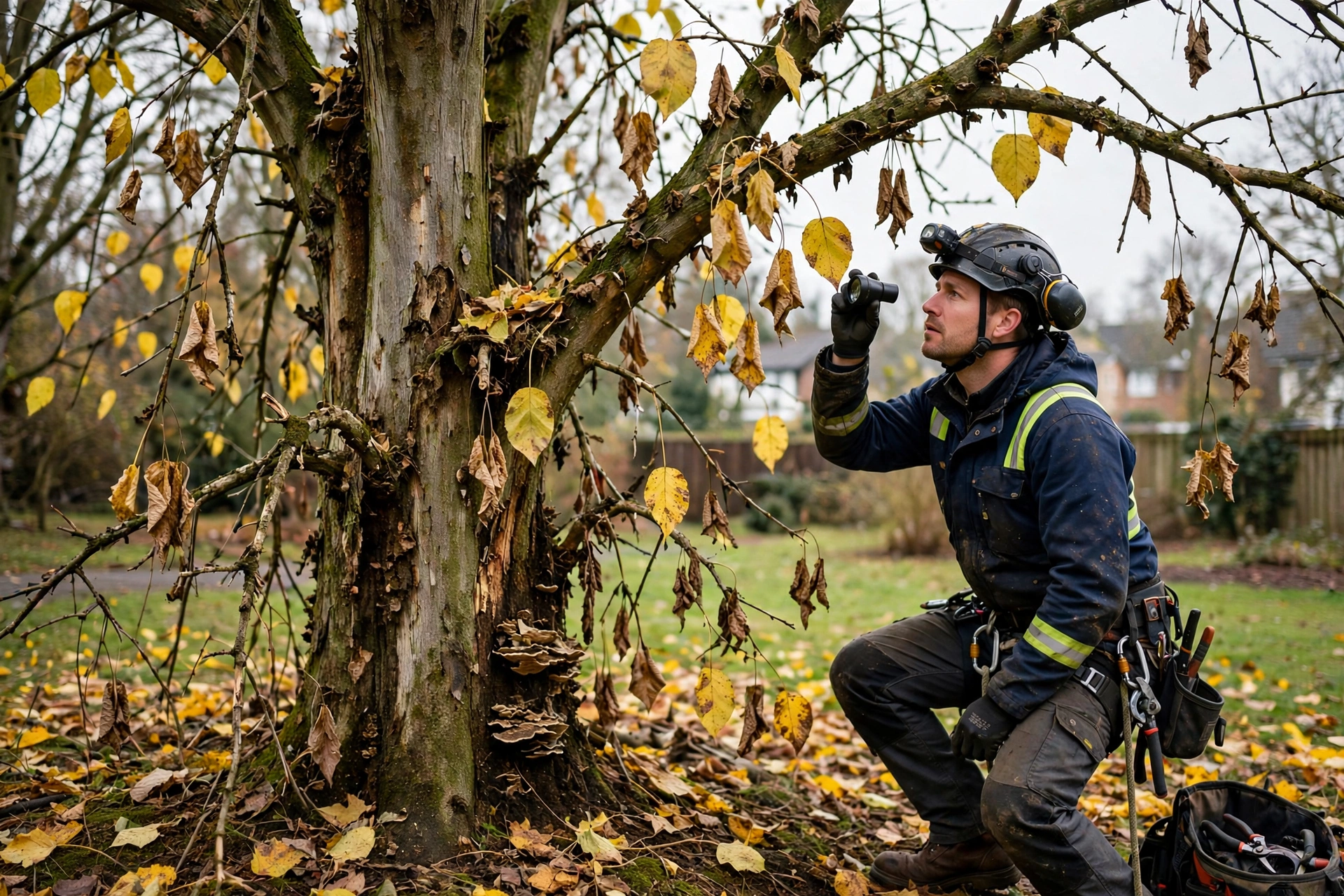
How to Handle Sick Trees Safely: When to Prune, When to Call a Professional
A sick tree can be worrying. Leaves turn yellow, branches die back, bark peels, or fungi appear at the base. You may want to fix it quickly, but the wrong cut, the wrong timing, or working at height can make the problem worse.
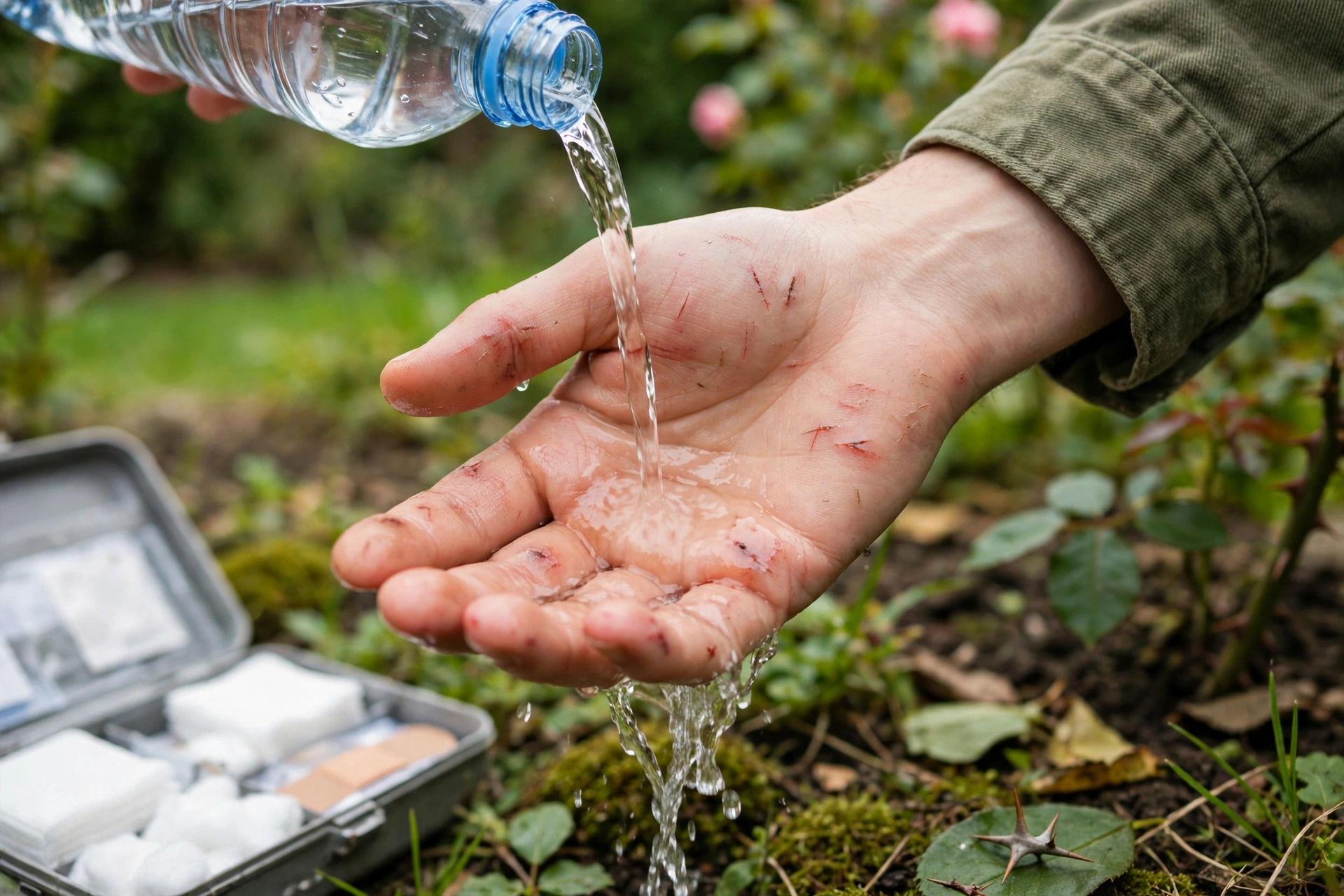
First Aid for Plant Sap and Thorn Injuries: What to Do
Gardening, walking, and working outdoors often involve thorns, spines, and sap. Most injuries are minor — a small scratch, a thorn in a finger, or sap on the skin — and they settle with simple cleaning.