
Blog
Identification guides, nature articles and safety advice.

Common Plant Identification Mistakes and How to Fix Them
Plant identification is rewarding, but it is easy to get wrong, especially when you are starting out. A blurry photo, a single leaf, a plant in the wrong season, or a confident first suggestion can all lead to a wrong name — and a wrong name can lead to wrong care, wrong expectations, or, in the worst case, unsafe use.
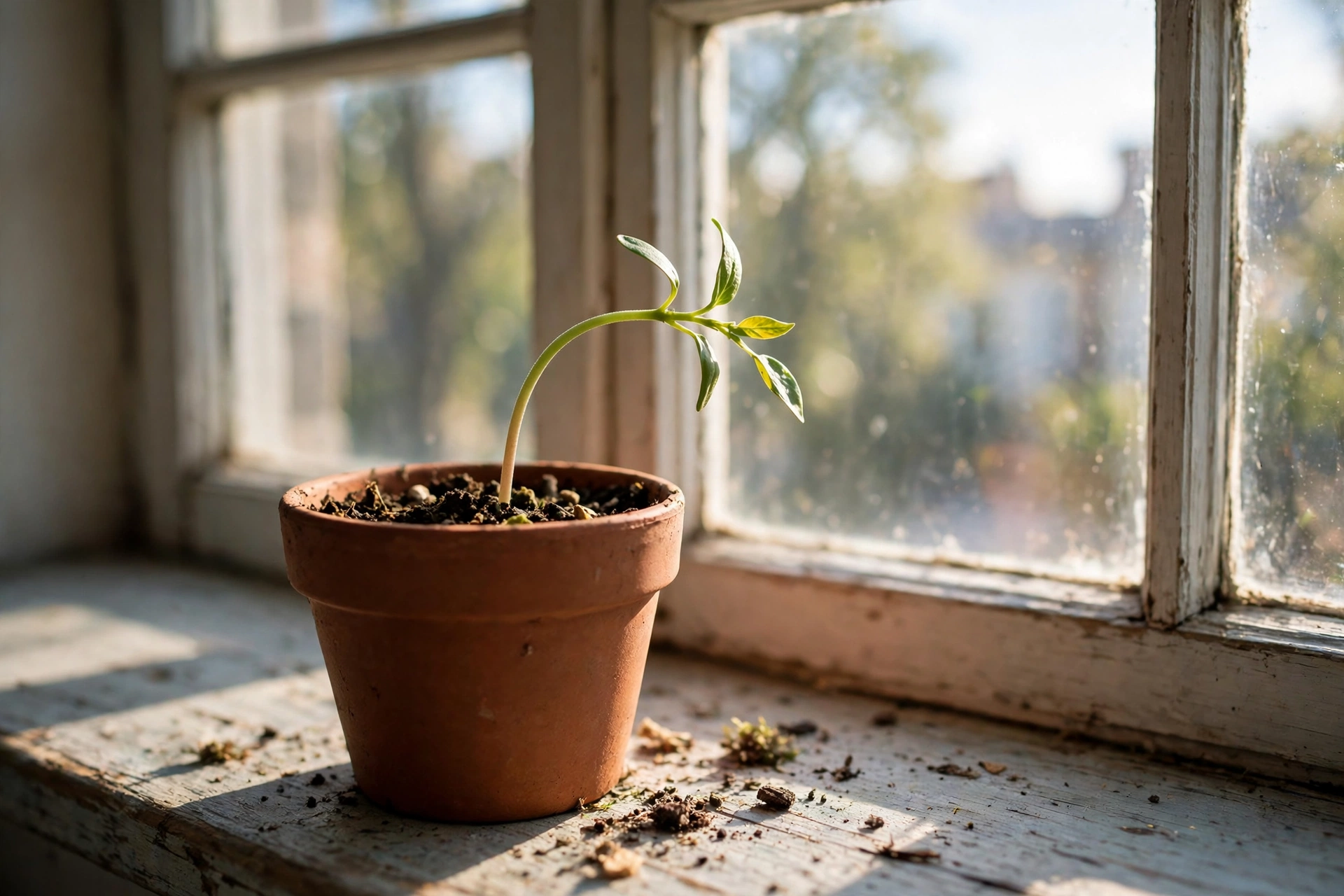
How Plants Sense Light, Gravity, and Touch
Plants have no eyes, ears, or brain, yet they sense their surroundings precisely. A seedling bends toward a window, a root grows down in darkness, and a vine curls around a post within hours of touching it.
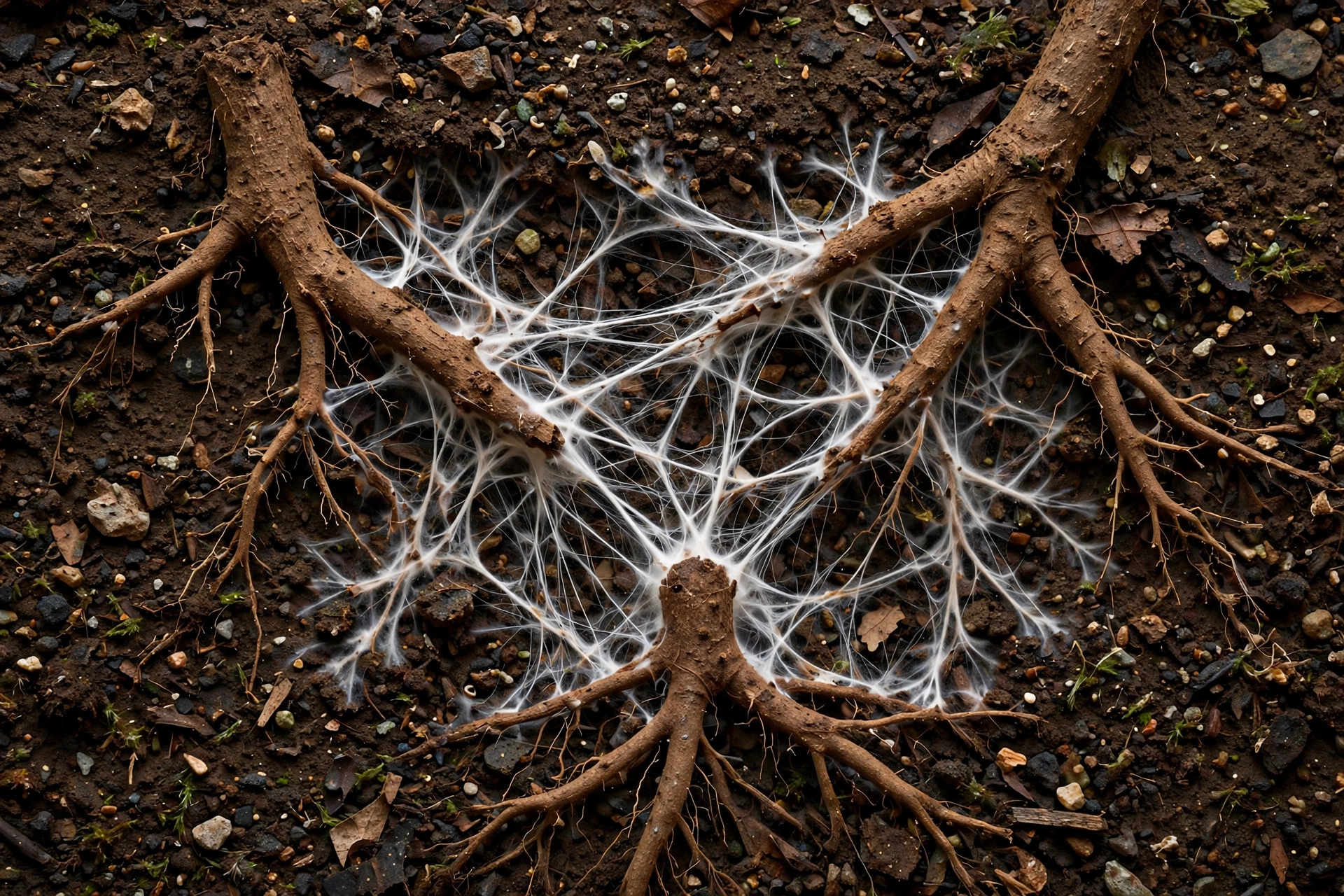
Mycorrhizal Fungi: The Hidden Network Under Your Trees
Beneath every healthy tree lies a hidden world: a vast network of fine fungal threads, called mycelium, woven through the soil around the tree's roots. These are mycorrhizal fungi, and they form one of the most important partnerships in nature.
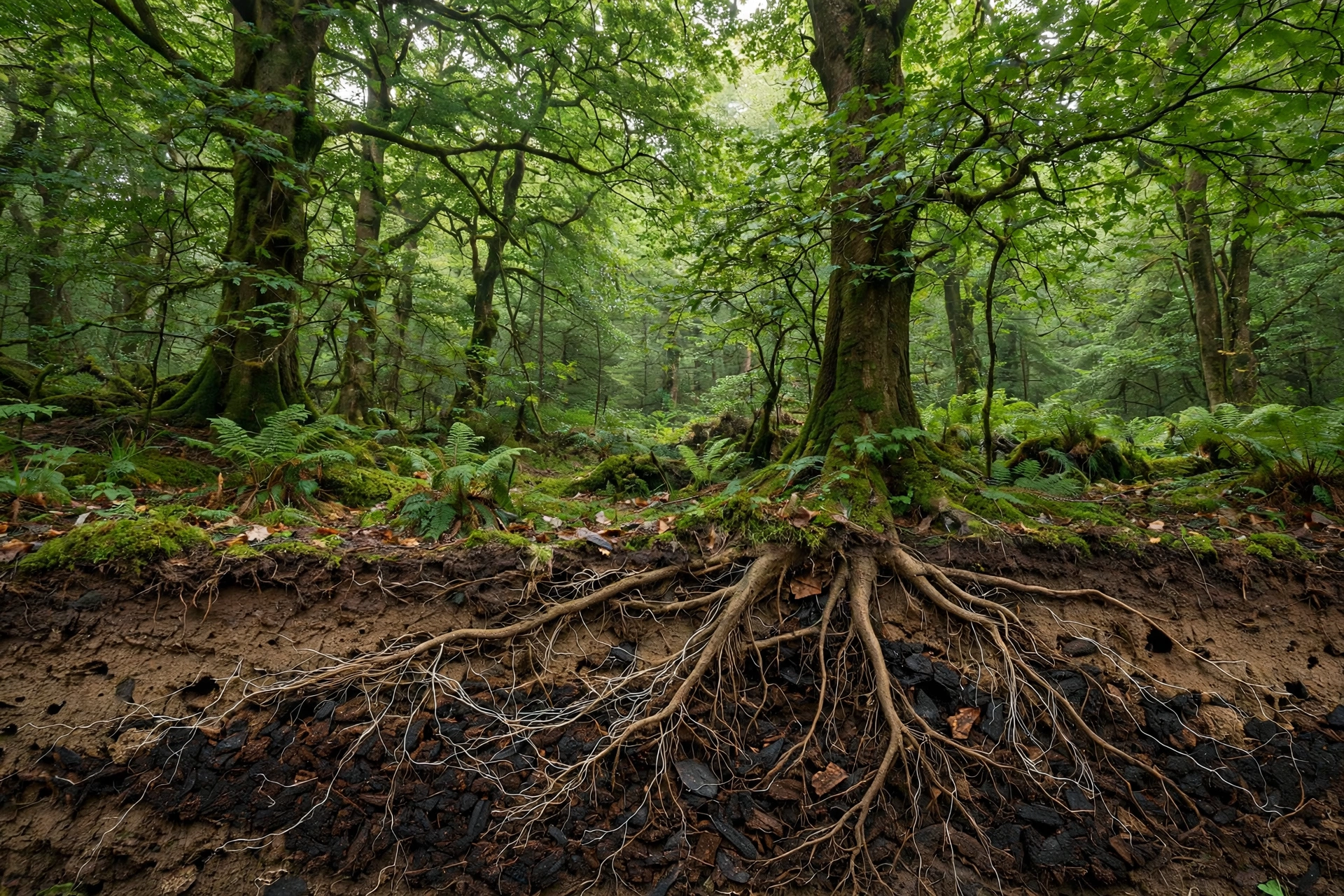
How Trees Store Carbon: Photosynthesis, Wood, and Soil
Every tree you see is a quiet carbon storehouse. Its trunk, branches, roots, and the soil beneath it hold carbon once floating in the air as carbon dioxide. Understanding how trees store carbon shows why forests matter against climate change.
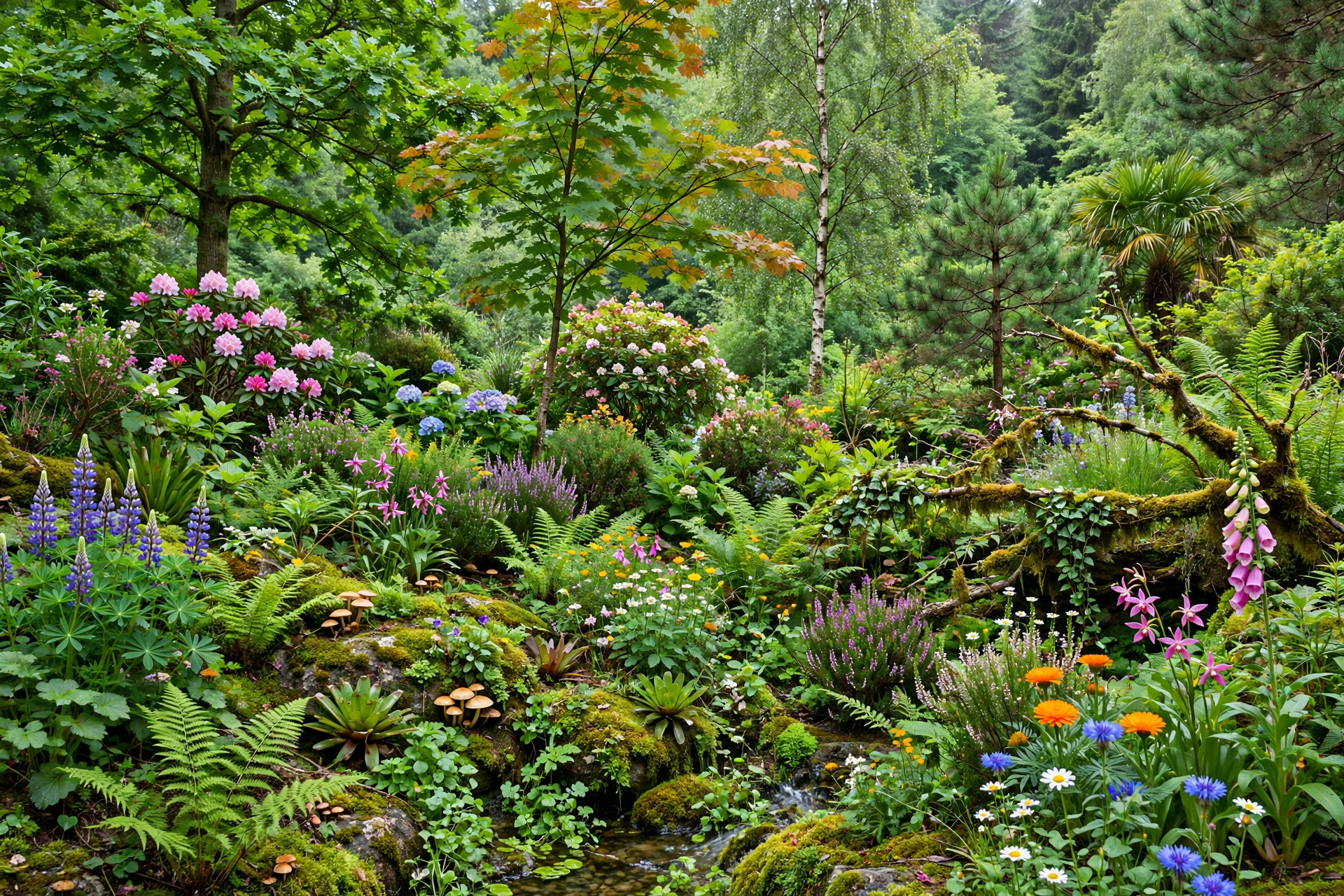
Why Plant Diversity Matters: Ecosystems, Food, and Medicine
Plant diversity — the variety of plant species, varieties, and genes in a place — is the foundation of life on Earth. Plants produce oxygen, build soil, store carbon, feed animals, and provide food, timber, fibre, and medicine for people.
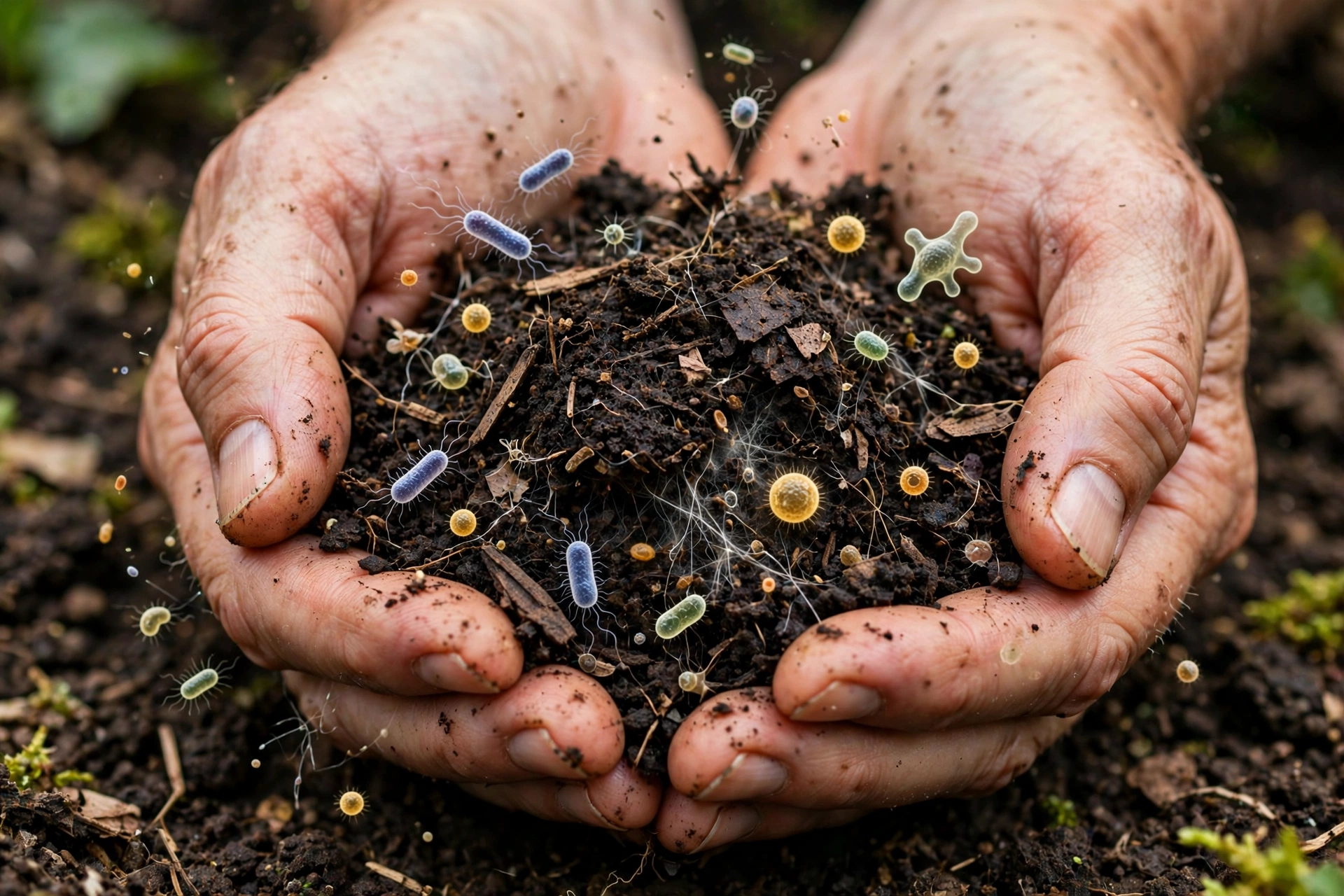
Soil Science for Gardeners: pH, Nutrients, and Microbes
Good gardening starts underground. Soil is not just dirt to hold plants upright; it is a living system of minerals, organic matter, water, air, and billions of organisms. Healthy soil feeds plants, holds water, drains excess, and protects roots from disease.
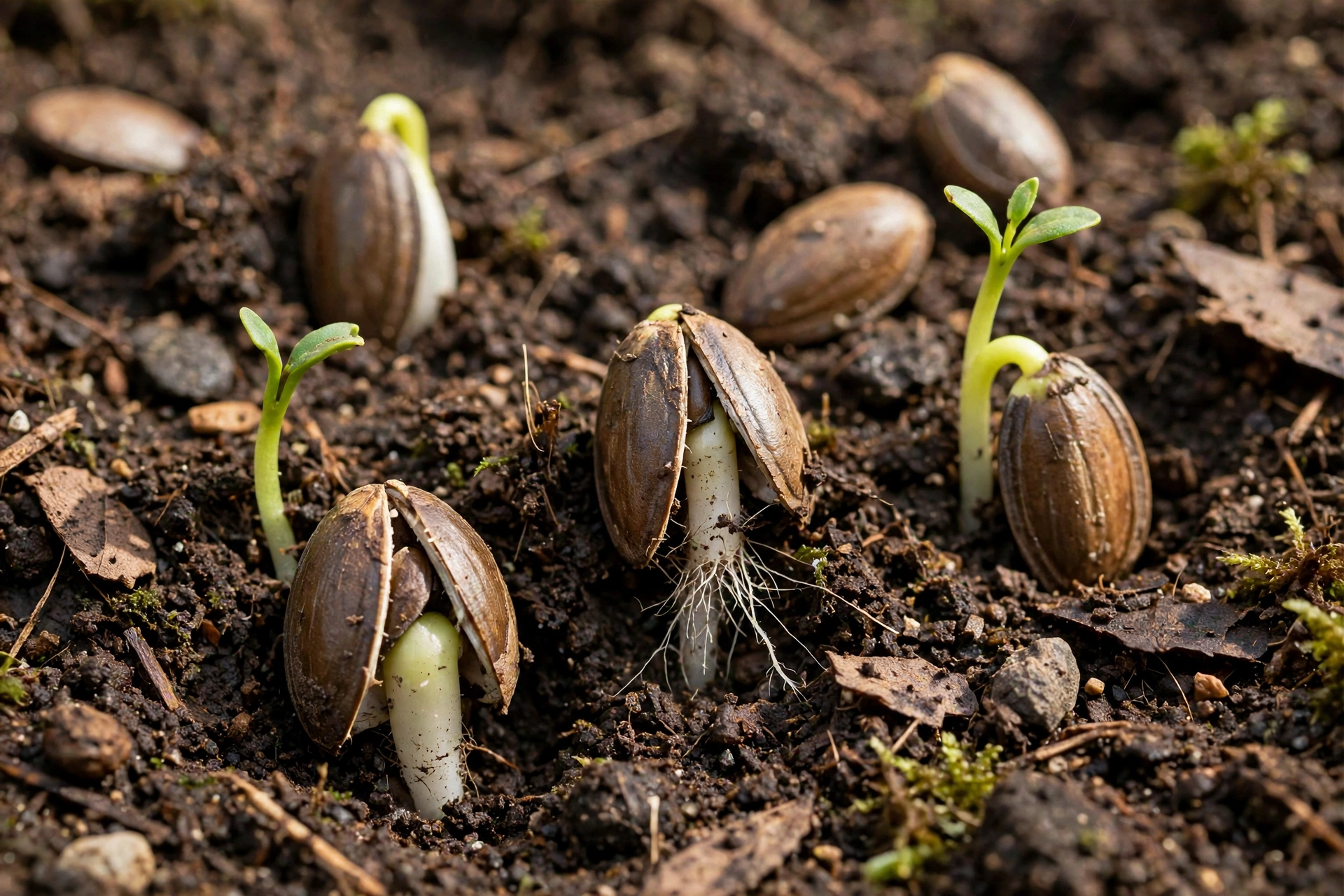
The Science of Seeds: Germination, Dormancy, and Dispersal
A seed is one of nature's most efficient inventions. It is a plant embryo, a food store, and a protective coat, all in a package that can wait for months or years, travel long distances, and then grow into a new plant when conditions are right.
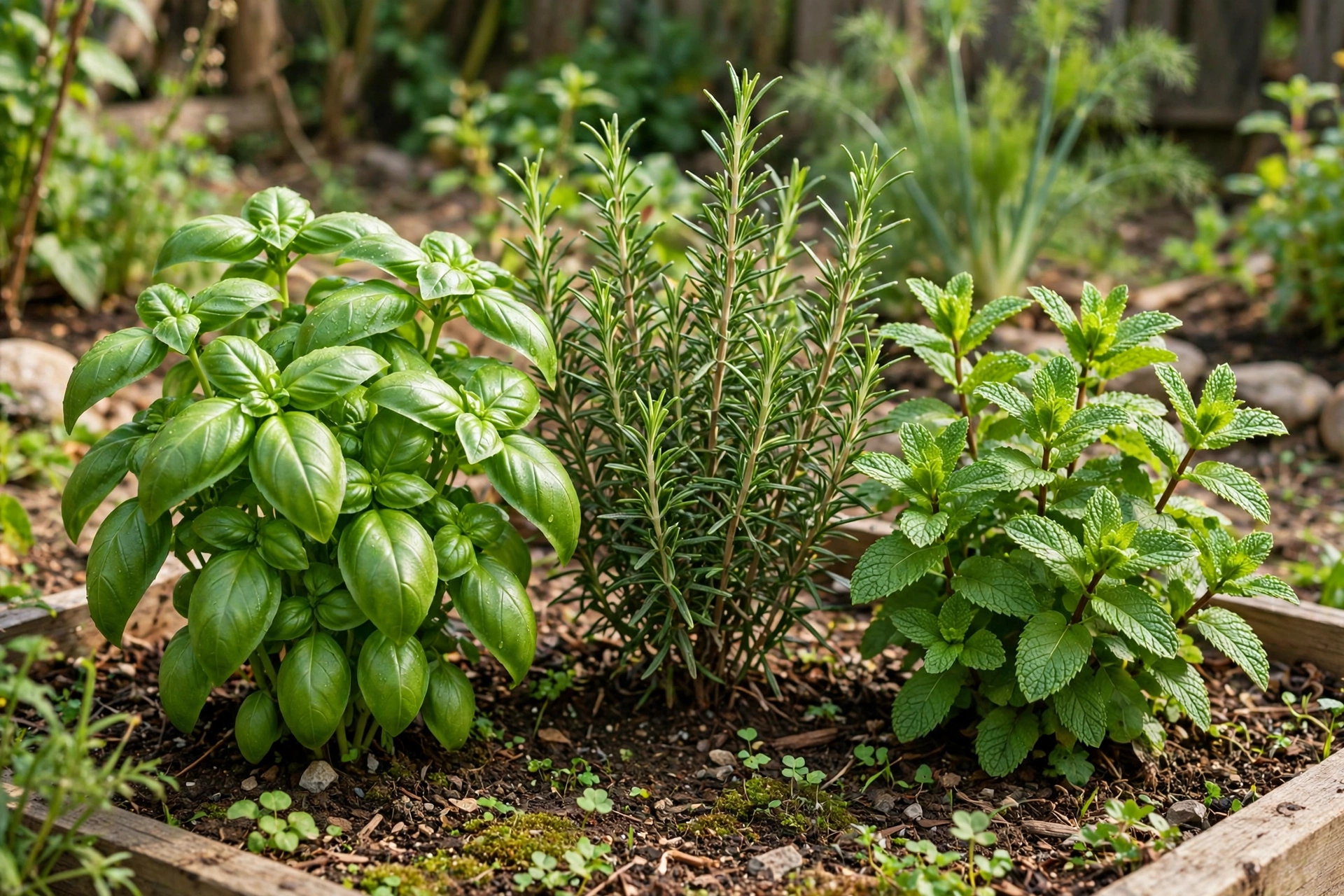
The Science of Herbs: Flavour, Chemistry, and Medicinal Uses
Herbs are small plants with an outsized impact. A pinch of basil can transform tomatoes, a sprig of rosemary can scent a whole roast, and a cup of mint tea can feel refreshing on a hot day. Behind those effects is chemistry: herbs produce essential oils and other compounds to protect themselves from insects, disease, and sun, and we experience those compounds as flavour, aroma, and sometimes medicinal effects.
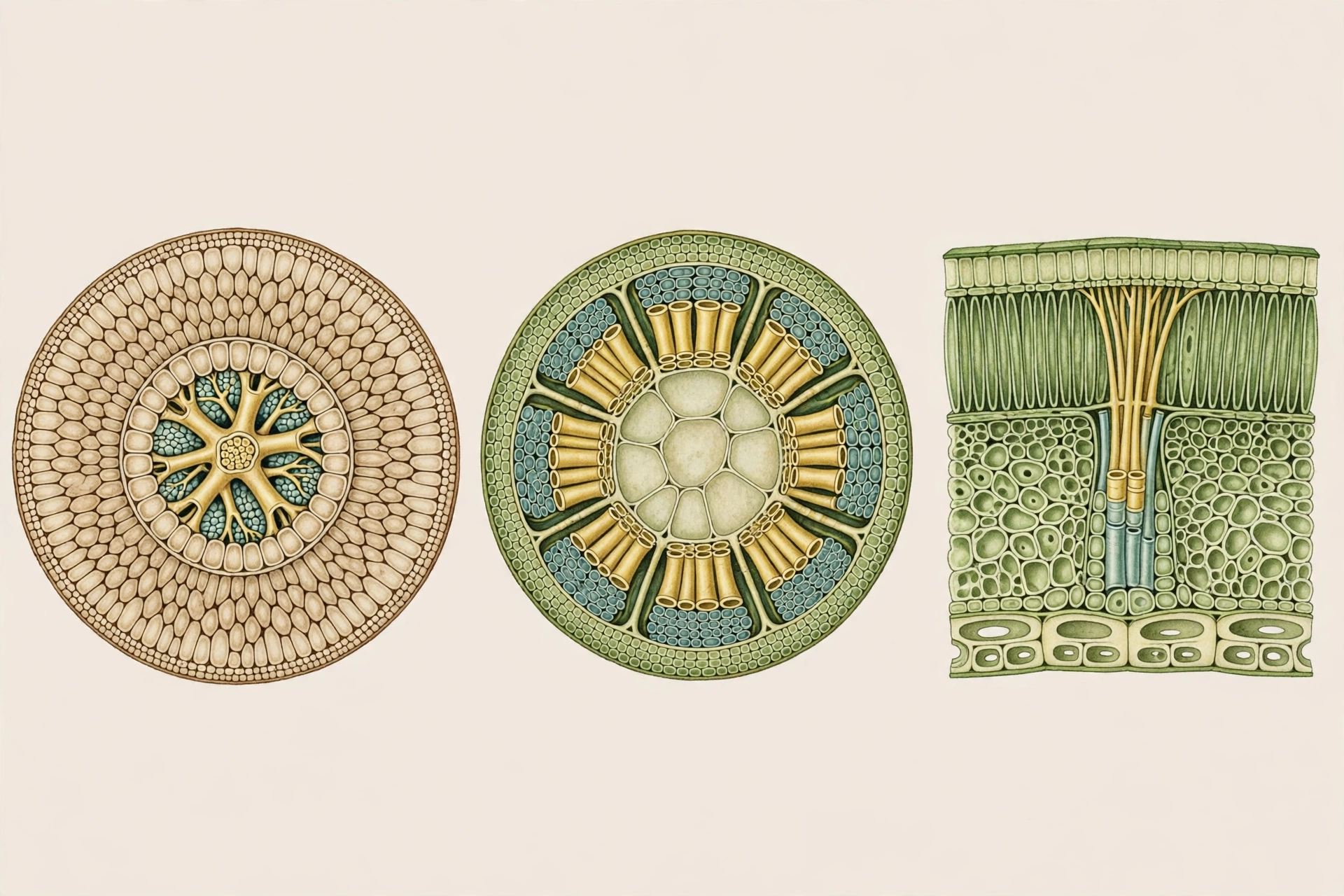
Roots, Stems, and Leaves: Plant Anatomy for Beginners
If you understand roots, stems, and leaves, you understand most of a plant. These three organs work as a system: roots take up water and minerals and anchor the plant, stems support and transport, and leaves make food through photosynthesis.